
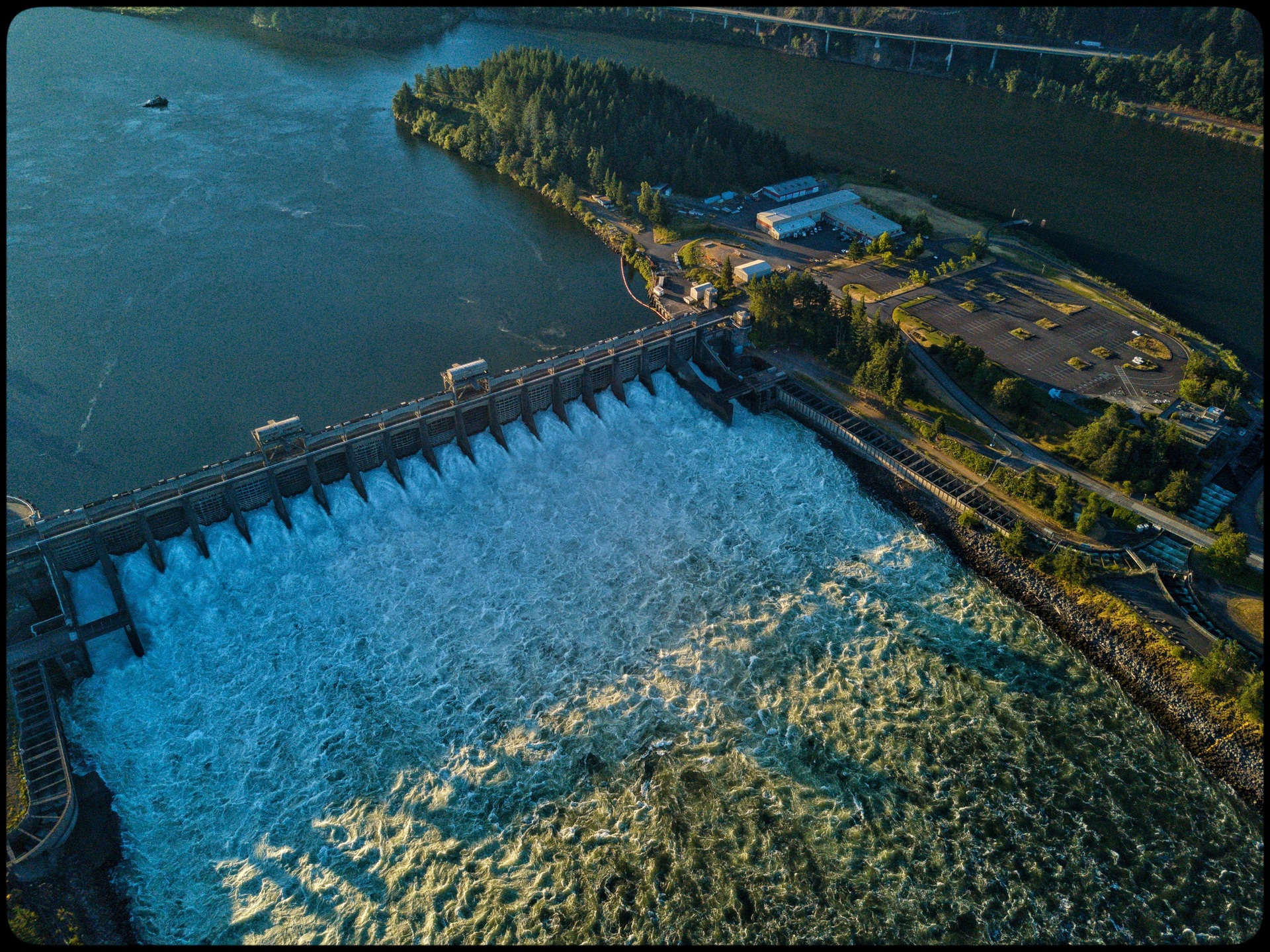
Hydropower Plants generate clean electricity by harnessing the natural flow of water. Modern Hydropower Plants play a vital role in cutting global emissions and powering our communities sustainably.
Water constantly cycles through our planet. Because water never runs out, it serves as a dependable source of clean energy.
How Do Hydropower Plants Work?
Most Hydropower Plants rely on moving water from rivers or reservoirs. Water travels through a large pipe called a penstock. As the water rushes downward, it turns massive turbine blades.
These spinning turbines turn an electric generator. The generator transforms that mechanical energy into usable electricity for the power grid.
If you want to cut your carbon footprint, explore sustainable goods. Visit our store to Shop Our Products and reduce your environmental impact today.
Key Factors Behind Energy Generation
Two key elements decide how much power a plant produces:
- Water Flow: Higher water volumes generate more electricity.
- Hydraulic Head: A bigger drop in elevation creates more water pressure.
Engineers design these systems to match local river landscapes. For example, run-of-the-river designs use natural river flows without huge dams.
To learn more about renewable technologies, Read Our Blog for regular clean energy guides.
The Future of Hydropower Plants
Governments continuously invest in new technology to improve efficiency. Upgraded Hydropower Plants protect fish migration and support local wildlife ecosystems. As clean energy demands grow, water power remains a cornerstone of a zero-carbon future.
Reference: Inspired by content from https://www.energy.gov/cmei/water/how-hydropower-works.