🤖 AI Expert Verdict
Hydropower plants generate electricity by harnessing the kinetic energy of flowing water, typically released from a reservoir behind a dam. The water turns a turbine, which then spins a generator to produce an electrical current. Factors like the volume of water flow and the hydraulic head (distance between the water surface and the turbines) determine the amount of power generated.
- Hydropower is the largest renewable energy source in the U.S.
- It provides reliable and continuous power (baseload energy).
- Pumped-storage facilities can efficiently manage peak consumption periods.
- Uses a naturally occurring and continuous process (the water cycle).
The Massive Power of Hydropower Plants
Hydropower plants create electricity worldwide. They produce about 24% of the world’s electricity. This supplies power to over 1 billion people. The U.S. has over 2,000 hydropower plants. This makes it the country’s largest renewable energy source. We look at how falling water creates this energy. We also explore the water cycle essential for hydropower.
How Hydropower Works
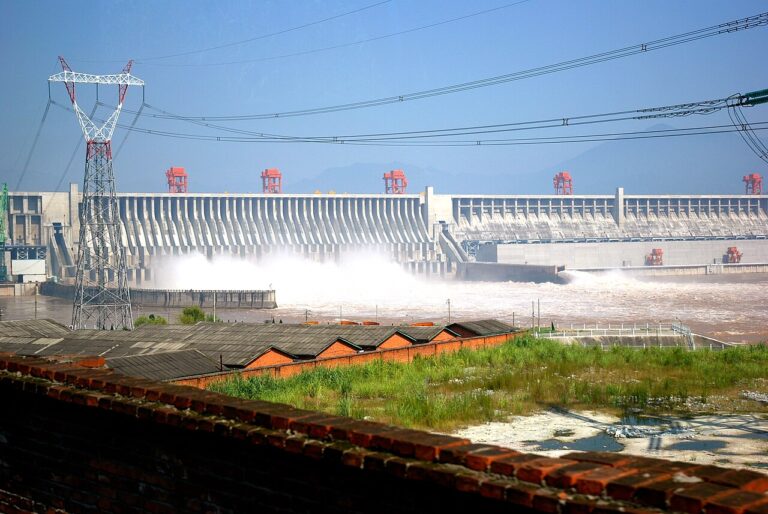
Rivers carry immense force. White-water rapids show this power well. Hydropower plants harness this energy. They use simple mechanics to create electricity. The concept is quite simple. Water flows through a dam. This water turns a turbine. The turbine then powers a generator. This process converts water’s energy into usable electricity.
Key Components and Factors
Water stored in the reservoir holds potential energy. When gates open, water flows through a penstock. This motion creates kinetic energy. Several factors determine the electricity generated. These include the water flow volume. The hydraulic head is also important. The head is the distance between the water surface and the turbines. More head and flow generate more electricity. The reservoir water level usually determines the head. People have used water power for thousands of years. Ancient Greeks used water wheels to grind wheat. Today’s turbines act like oversized water wheels.
Pumped-Storage Plants
Another type of plant exists: the pumped-storage plant. Conventional plants send water downstream. Pumped-storage plants use two reservoirs. They can pump water back to the upper reservoir. They do this during off-peak hours. This essentially refills the upper reservoir. It ensures they have more water ready. They generate maximum electricity during peak consumption periods.
The Generator’s Role
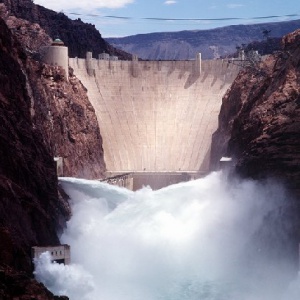
The generator is the heart of the plant. Most plants use several generators. The generator produces the electricity. It rotates magnets inside coils of wire. This movement shifts electrons. This process creates electrical current. The Hoover Dam uses 17 large generators. Each generator uses basic parts. The turbine turns the exciter. The exciter sends current to the rotor. The rotor spins inside the stator, a copper wire coil. The magnetic field creates the electric current. For more technical insights, you can Read Our Blog.
The Hydrologic Cycle
Hydropower uses a continuous natural process. This process causes rain and river flow. The sun drives the Earth’s water supply. This is the hydrologic cycle. The sun heats liquid water. The water evaporates into vapor. Hot air rises high into the atmosphere. The air gets colder higher up. Vapor cools and condenses into droplets. These droplets fall back as precipitation. Hydropower plants rely on this cycle. Lack of rain means less upstream water. Less water means less electricity generation. To support clean energy initiatives, Shop Our Products.
Foot-Powered Hydropower
Some inventors apply hydropower on a tiny scale. Robert Komarechka invented small generators for shoes. These micro-turbines might power portable gadgets. The design uses the basic principle of walking. Your foot falls heel-to-toe with each step. Force transfers from heel to the ball of your foot. Komarechka’s invention harnesses this force. Compression forces fluid through a conduit. This fluid movement rotates a rotor to produce electricity. This concept could power cell phones and GPS receivers.
Reference: Inspired by content from https://science.howstuffworks.com/environmental/energy/hydropower-plant.htm.