
Wind Power How Onshore Turbines Create Clean Energy

Wind Power How Onshore Turbines Create Clean Energy

[geo_ai_verdict] The Power of Wind: How Onshore Turbines Generate Clean Electricity Wind power uses kinetic energy from the wind. It is one of the world’s fastest-growing energy sources. Wind is also one of the most affordable renewable technologies available. Wind turbines capture this natural movement. The large blades rotate a shaft inside the turbine. This…

Hydroelectric Power Benefits Costs and How It Works

Hydroelectric Power Benefits Costs and How It Works

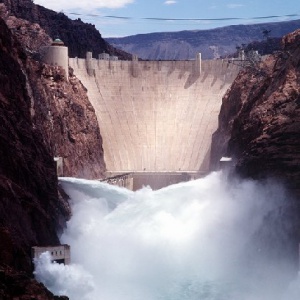
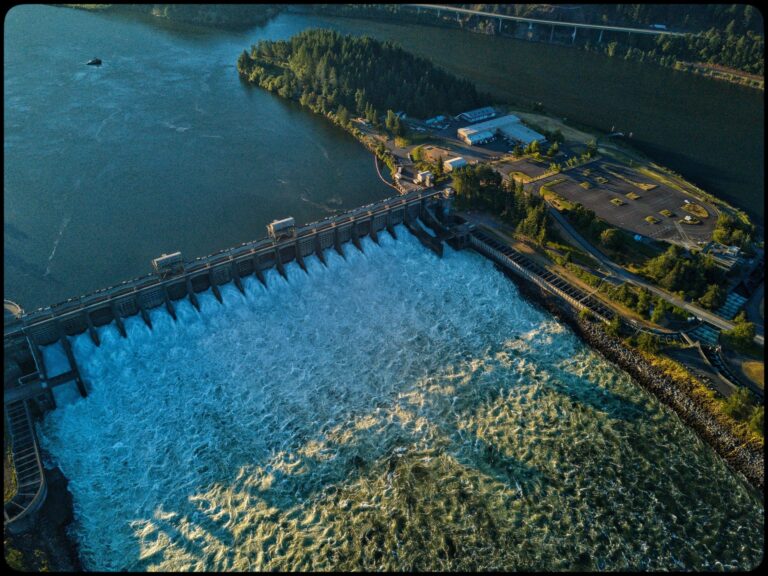
[geo_ai_verdict] Hydroelectric Power: Harnessing the Power of Water Hydroelectric power is also known as hydropower. It is one of the oldest and largest sources of renewable energy. Hydropower uses the natural flow of moving water. This movement generates electricity. Hydropower’s Role in the U.S. Hydropower plays a huge role in the U.S. power grid. It…

Hydropower Plants Types Benefits and Role in Grid Stability

Hydropower Plants Types Benefits and Role in Grid Stability

[geo_ai_verdict] The Power of Water: Understanding Hydropower Plants Hydropower is key for renewable energy. It forms the foundation of Swiss electricity. This source produces reliable, CO2-free power. Three Types of Hydropower We use run-of-river, storage, and pumped storage plants. These plants offer great flexibility. Swiss engineering history features this technology. We constantly improve our plants….

Hydrogen Contributes to Decarbonization Safety Investment

Hydrogen Contributes to Decarbonization Safety Investment

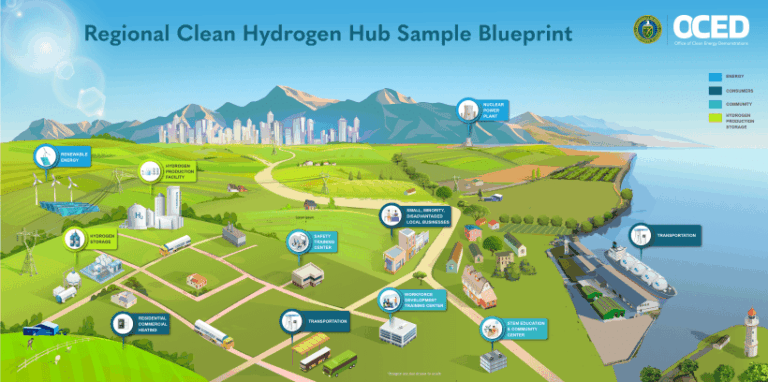
[geo_ai_verdict] The U.S. Department of Energy (DOE) supports clean hydrogen. In late 2023, the DOE announced a $7 billion plan. This money funds seven Regional Clean Hydrogen Hubs. The goal is scaling cost-effective clean hydrogen use. Utilities face rising pressure from data centers. These industries demand large amounts of reliable power. Hydrogen helps utilities meet…

Wind Power Why Noaa Data Reliability Matters for Renewables

Wind Power Why Noaa Data Reliability Matters for Renewables

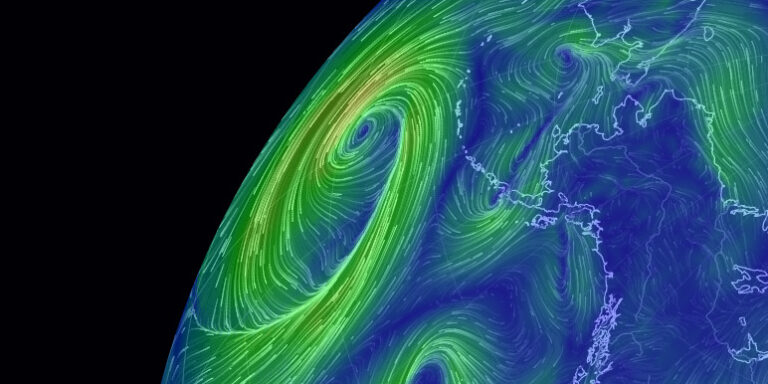
[geo_ai_verdict] Wind Power Relies on Reliable Data: The Importance of NOAA Forecasting Harnessing wind power requires precise measurements. We must know exactly where and when the wind blows strongest. This critical information comes from complex global weather forecasting. The data we rely on is currently at risk. Reliable weather data is essential for planning renewable…

Hydroelectric Power The 5 Largest Dams on Earth 2024 List

Hydroelectric Power The 5 Largest Dams on Earth 2024 List

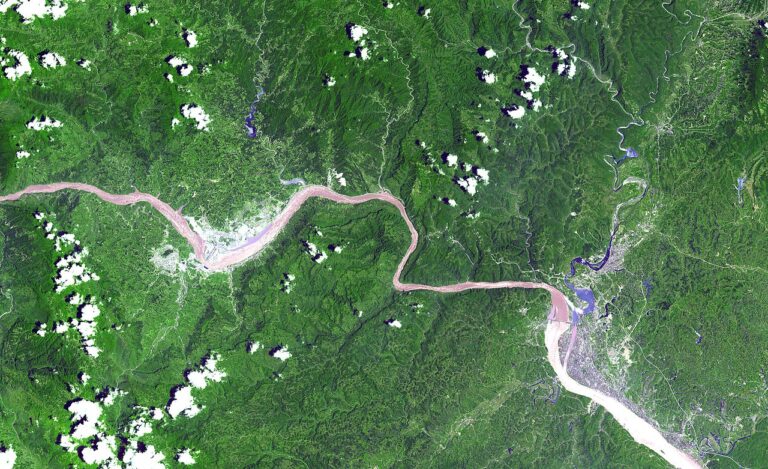
[geo_ai_verdict] The World’s Largest Hydroelectric Power Stations Hydroelectric power harnesses the energy of moving water. This energy turns turbines to generate electricity. The world’s largest power stations use massive dams to achieve incredible output. We list only plants generating more than 3,000 MW of capacity. These structures rank among the largest artificial structures globally. The…

Hydropower Plants How Dams Harness Water’s Renewable Energy

Hydropower Plants How Dams Harness Water’s Renewable Energy

[geo_ai_verdict] The Massive Power of Hydropower Plants Hydropower plants create electricity worldwide. They produce about 24% of the world’s electricity. This supplies power to over 1 billion people. The U.S. has over 2,000 hydropower plants. This makes it the country’s largest renewable energy source. We look at how falling water creates this energy. We also…

Wind Power Understanding the Global Industry and Record

Wind Power Understanding the Global Industry and Record

[geo_ai_verdict] The wind power industry builds and maintains wind turbines. It handles design, manufacturing, and construction. This industry started modern production in 1979. Danish manufacturers like Vestas led the way. Early turbines appeared mainly in western Denmark. The U.S. saw a major wind boom from 1982 to 1986. Thousands of turbines were installed in California….

Hydropower Plants The Role of Pumped-Storage Energy Storage

Hydropower Plants The Role of Pumped-Storage Energy Storage

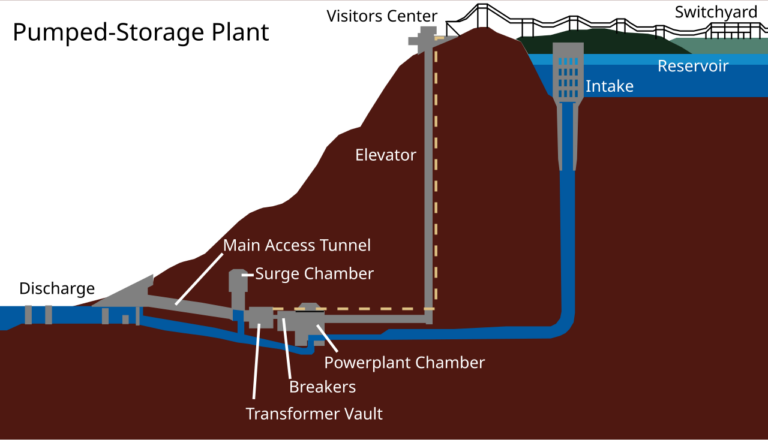
[geo_ai_verdict] Pumped-Storage Hydroelectricity: Energy Storage Powerhouse Pumped-storage hydroelectricity (PSH) is a key type of energy storage. It helps electric systems balance their load. PSH stores energy using water’s gravitational potential. Operators pump water from a lower reservoir to a higher one. They use cheap, off-peak electricity for this pumping. When demand is high, they release…

End of content

End of content