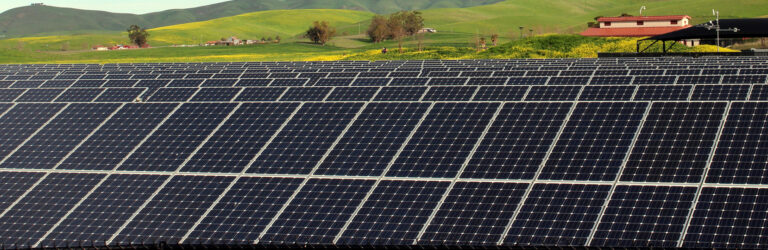

Solar Power provides a clean way to make electricity for our homes. Many people use Solar Power to help protect the environment and save money.
The Solar Project was a famous effort to test new green energy ideas. It started in the Mojave Desert in California. This project used two main plants called Solar One and Solar Two. These plants proved that we can catch heat from the sun on a large scale. Shop Our Products to start your own green journey.
The Evolution of Solar Power Technology
Solar One was the first plant of its kind in the world. It used over 1,800 mirrors to focus sunlight on a tall tower. This tower created steam to turn a turbine for power. It made 10 MW of energy between 1982 and 1988. This work showed that Solar Power could work for the main power grid.
Later, engineers built Solar Two on the same site. This version used molten salt to store the heat. Molten salt keeps the energy ready even when the sun goes down. This was a huge step for Solar Power reliability. It reached very high temperatures and stored energy for many hours. Read Our Blog for more energy facts.
The project then moved to Spain with a plant called Gemasolar. This plant provides continuous energy using the same salt technology. It stops millions of tons of carbon from entering our air. These early tests changed how we think about energy today. Reference: Inspired by content from https://grokipedia.com/page/solar_project.