🤖 AI Expert Verdict
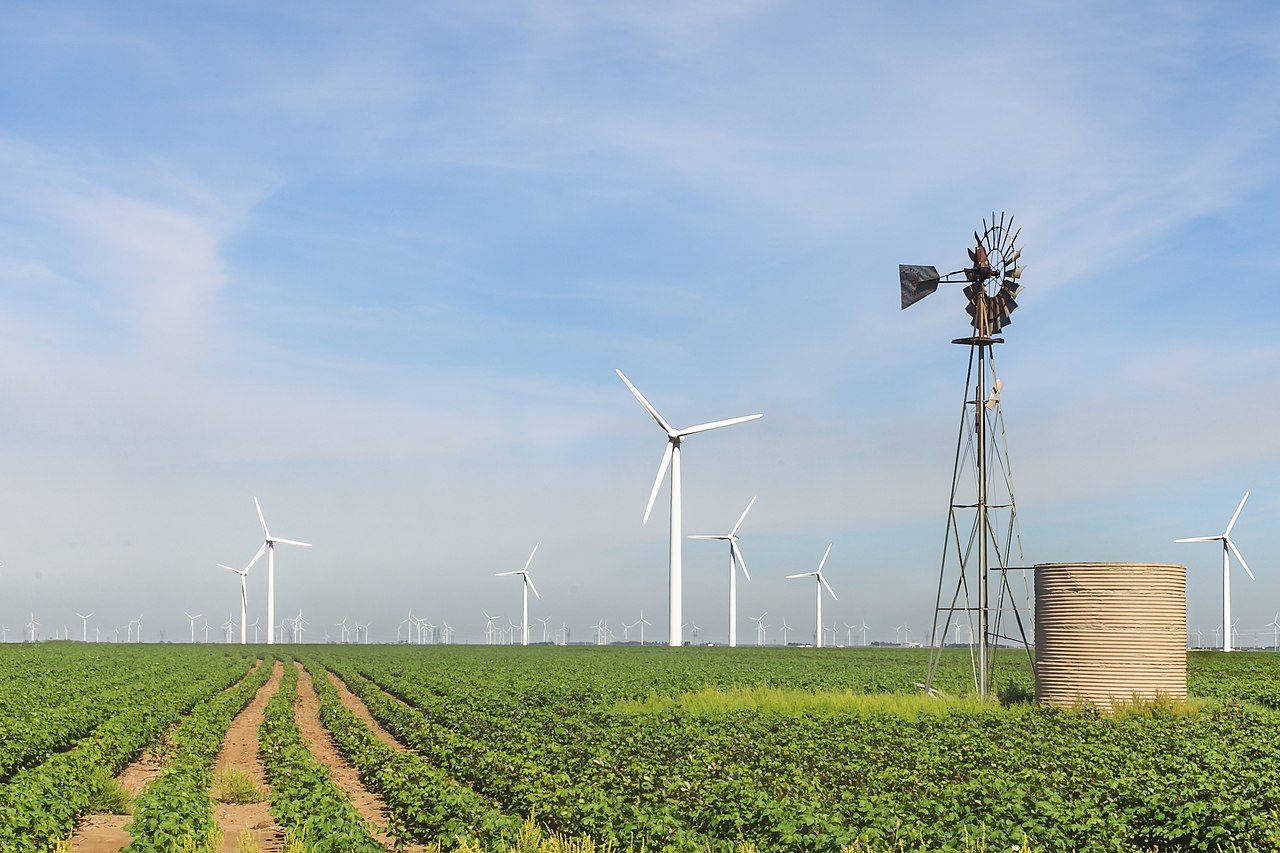
The wind power industry involves the design, manufacturing, construction, and maintenance of wind turbines. It began modern serial production in 1979 led by Danish firms and has grown significantly faster than conventional power sectors. In 2023, the industry installed a record 117 GW of new capacity, pushing global capacity past the 1 TW mark. Key segments include manufacturers, developers, O&M contractors, and finance companies.
- Fast-growing renewable sector with significant investment.
- Global capacity surpassed the crucial 1 TW milestone in 2023.
- Crucial for meeting global net-zero emissions targets by 2050.
The wind power industry builds and maintains wind turbines. It handles design, manufacturing, and construction. This industry started modern production in 1979. Danish manufacturers like Vestas led the way. Early turbines appeared mainly in western Denmark.
The U.S. saw a major wind boom from 1982 to 1986. Thousands of turbines were installed in California. India, Germany, and Spain also developed their own industries starting in the 1980s and 1990s. The wind sector grows much faster than coal or nuclear power.
Industry Globalization and Segments
This industry is rapidly consolidating and globalizing. Large companies now invest heavily in wind power. General Electric and Siemens are making large investments. New turbine manufacturers constantly appear. They quickly ramp up production to meet global demand.
Key Segments of the Wind Power Industry
- Manufacturers: These companies design and build the turbines. They choose the best materials and generator types. The largest manufacturers operate out of Denmark, Germany, Spain, India, and the US.
- Developers: Developers find land and secure funding. They negotiate contracts for transmission and turbine supply. Developers often sell projects to larger owners.
- Construction Companies: These firms handle the physical building of wind farms. They also sometimes assist with maintenance.
- Operation and Maintenance (O&M): This segment is growing fast. O&M contractors maintain the turbines, towers, and blades. They ensure electricity generation happens efficiently.
- Finance Companies: These large banks offer loans and financial products. They fund developers and manufacturers.
- Consulting Firms: Consultants offer expert services. They assess wind resources and test turbine performance. They guarantee unbiased service to their clients.
- Managing Owners: These owners run the wind farms they purchase or develop. They sell the generated electricity to utilities under long-term agreements.
We believe in supporting renewable energy solutions. You can find equipment to reduce your carbon footprint when you Shop Our Products. For more articles on clean energy technology, please Read Our Blog.
Recent Growth and Future Outlook
The global wind industry installed a record 117 gigawatts (GW) in 2023. This marks a 50% increase from the previous year. Onshore projects accounted for 106 GW of this growth. Offshore installations added 10.8 GW. China led the installations, contributing almost 65% of the total.
The world’s total wind power capacity now exceeds one terawatt (TW). This means global capacity reached 1021 GW. Experts project a need to triple annual installations. We must reach 320 GW per year to meet net-zero goals by 2050. Political uncertainty and infrastructure limitations present ongoing challenges for the industry.
Reference: Inspired by content from https://en.wikipedia.org/wiki/Wind_power_industry.