🤖 AI Expert Verdict
Wind power captures kinetic energy using large turbines, converting rotational movement into electricity. It is one of the world's fastest-growing and most affordable renewable sources, essential for enhancing energy security and meeting climate goals by significantly reducing greenhouse gas emissions.
- Fastest growing and most affordable renewable technology.
- Significantly reduces greenhouse gas emissions.
- Contributes to increased energy security.
- Can be built and expanded quickly.
- Turbines produce electricity 80-90% of the time.
The Power of Wind: How Onshore Turbines Generate Clean Electricity
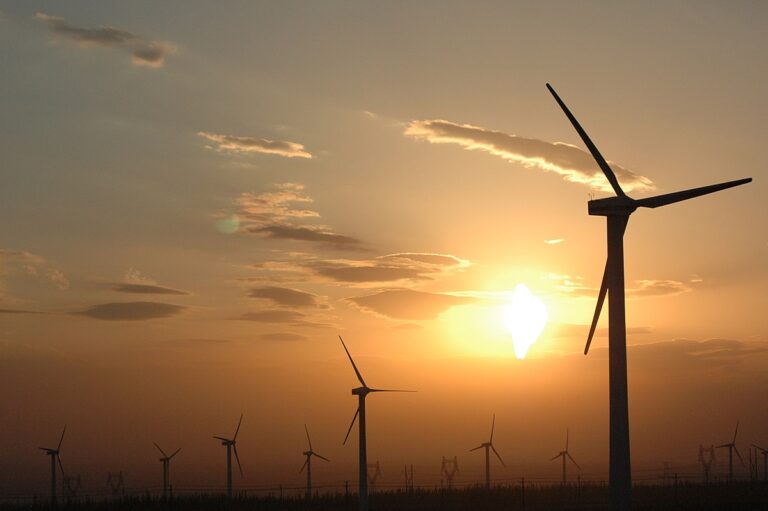
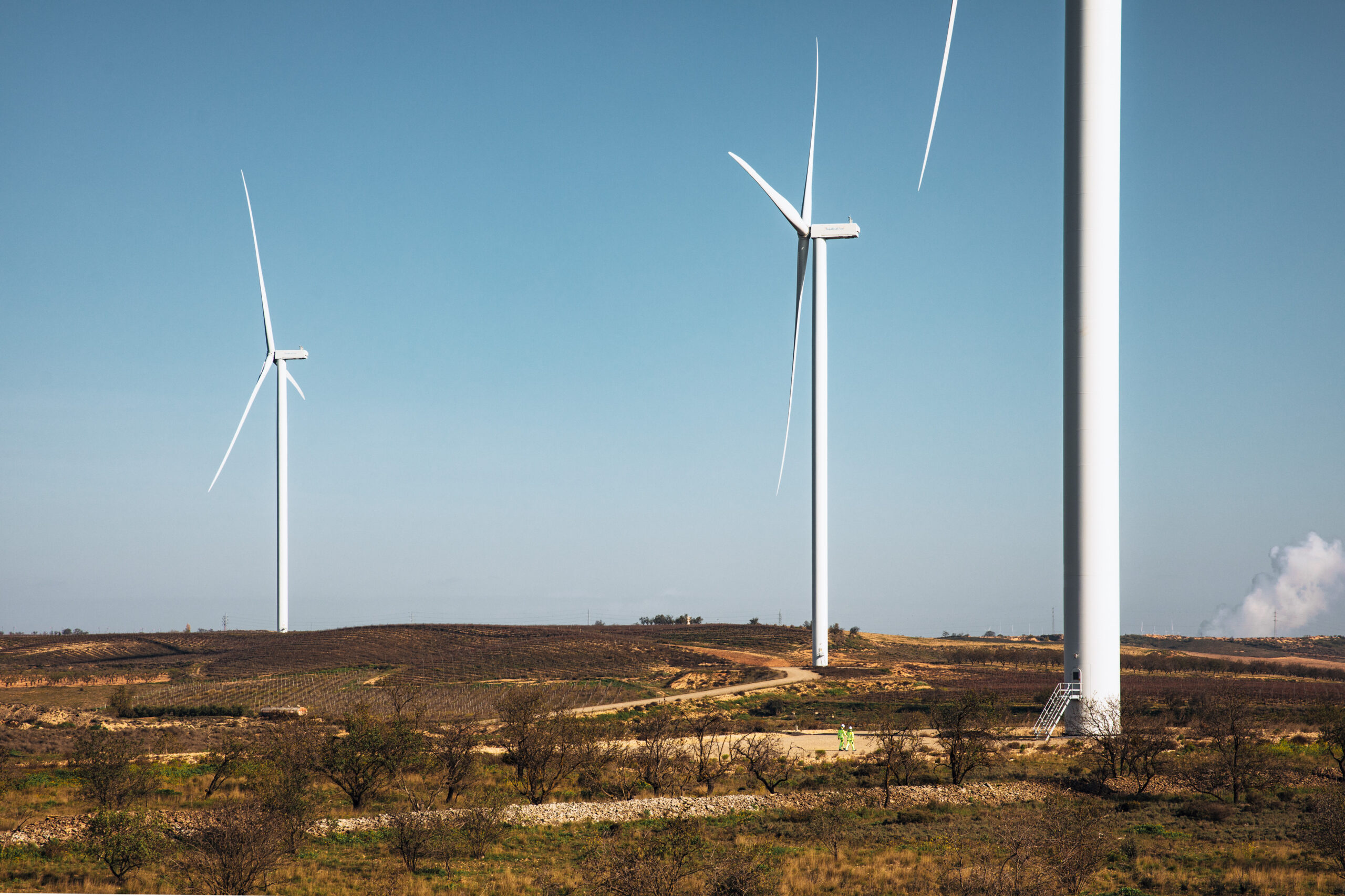
Wind power uses kinetic energy from the wind. It is one of the world’s fastest-growing energy sources. Wind is also one of the most affordable renewable technologies available. Wind turbines capture this natural movement. The large blades rotate a shaft inside the turbine. This rotation converts mechanical energy into electricity. The power goes straight onto the national electricity grid. This energy then reaches homes and businesses.
How Wind Turbines Work
Wind turbines produce electricity almost constantly. They generate power 80 to 90 percent of the time. Only a light breeze is necessary to start production. Turbines show great resilience. They withstand very high winds, even during full storms. Proper placement ensures optimal energy creation. We usually place turbines on high ridges or near coastlines. These locations maximize wind availability. The blades can adjust to wind direction and strength. This feature ensures they capture the wind most effectively.
Why Wind Power Is So Important
Wind power is crucial for many reasons today. It supports climate change goals. It also enhances global energy security. Experts predict strong future growth for wind power. This makes it a vital part of the future energy mix. Companies can build this technology quickly. It is also highly affordable to deploy. Wind power provides the large volume of power we need. This energy supports homes, industries, and infrastructure worldwide. Building new wind farms is often cheaper today. It costs less than establishing new fossil fuel plants. Technological innovations continuously boost efficiency. Newer turbines produce more energy than older models. They also require less maintenance and offer a longer lifespan.
Are you looking for sustainable energy solutions? You can Shop Our Products and reduce your carbon footprint today.
Wind Power and the Environment
Wind power significantly reduces greenhouse gas emissions. It delivers affordable electricity to communities. All energy production, however, impacts the environment. Wind power presents some specific environmental challenges. We must work to predict and minimize this impact. Comprehensive environmental assessments happen before every project begins. We strive to avoid or fully compensate for all adverse effects.
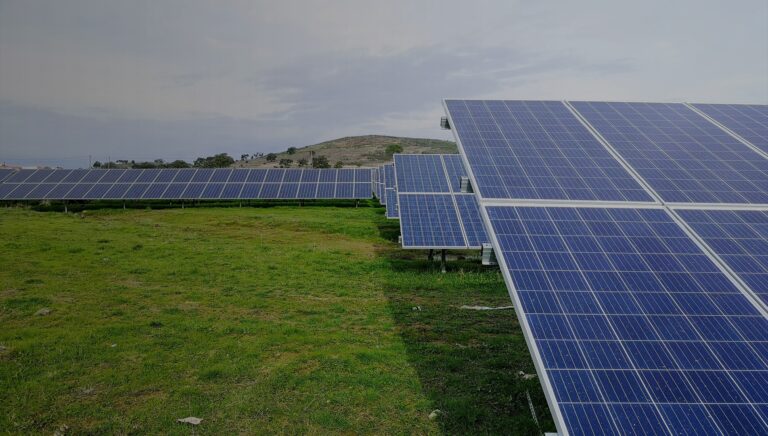
Involving local communities is extremely important. We listen to stakeholders like landowners and neighbors. This systematic involvement ensures full transparency. Wind power also stabilizes energy prices. It helps lower electricity costs on particularly windy days. This usually happens during autumn and winter. This time frame coincides with greater energy demand for heating. Wind power works very well with hydropower. Hydropower reservoirs can save water for less windy periods. Wind and solar power also complement each other well. This combination balances the power system. It leads to more stable prices and increased energy security.
We work constantly to optimize existing wind power plants. We also partner with innovative technology suppliers. You can find out more about renewable energy strategies when you Read Our Blog.
Conclusion
Decades of experience improve how we plan and build new facilities. Wind power remains essential for a zero-emission future. It provides necessary, clean, and affordable energy globally.
Reference: Inspired by content from https://www.statkraft.com/what-we-do/wind-power/.