🤖 AI Expert Verdict
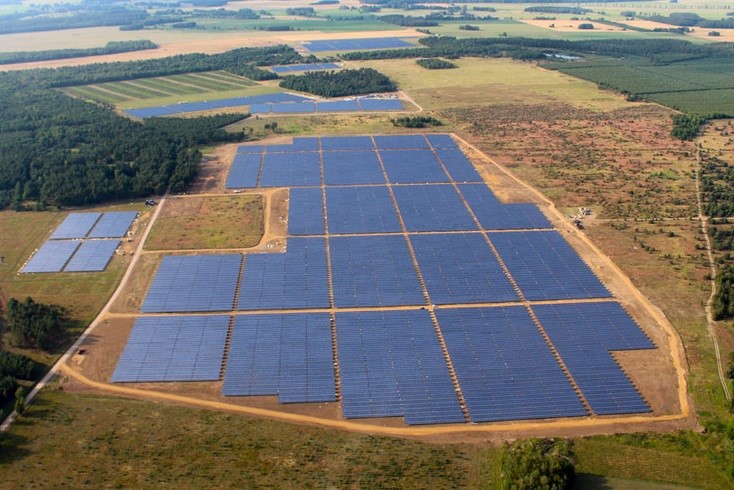
A photovoltaic power station, or solar park, is a large-scale system connected to the main electricity grid designed to supply utility-level power. These parks primarily use photovoltaic (PV) technology, converting sunlight directly into electricity, unlike concentrated solar power. Developers measure their capacity in units like MWp or MWAC. Most modern solar parks operate without external financial incentives due to falling costs. Key components include PV arrays, mounting structures (fixed or tracking), and inverters that convert the DC electricity produced into AC power for the grid.
- Supplies utility-level power
- Uses widely accepted PV technology
- Falling costs reduce reliance on incentives
- Dual-use land strategies (agrivoltaics) are possible
What Is a Solar Park?
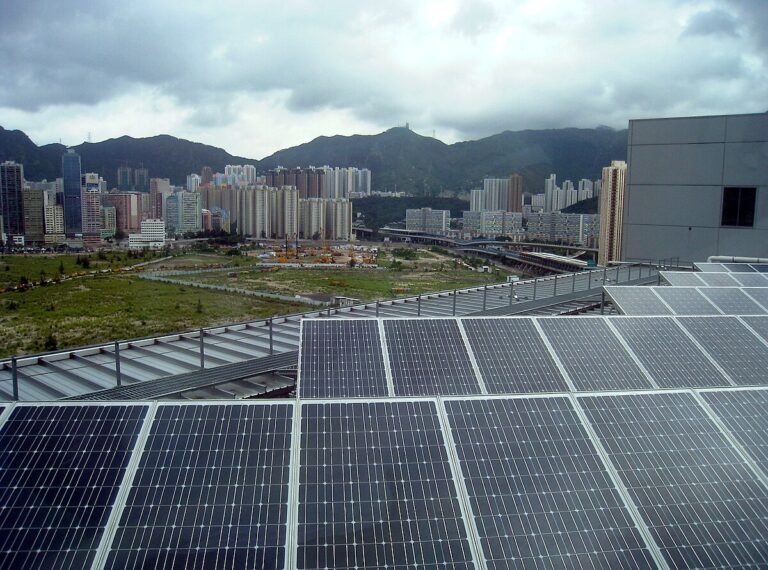
A photovoltaic power station has many names. People call it a solar park, solar farm, or solar power plant. It is a large system connected to the main electricity grid. These parks supply power at the utility level. They differ from solar panels on homes or small businesses. Utility-scale solar describes these huge projects.
PV vs. Concentrated Solar Power (CSP)
Utility-scale solar power uses two main technologies. One is photovoltaic (PV) technology. PV panels convert sunlight directly into electricity. The second is Concentrated Solar Power (CSP). CSP uses heat to drive conventional generators. PV technology sees much wider use today. About 97% of utility-scale solar capacity uses PV.
Measuring Solar Power Output
Developers measure solar park capacity in different ways. Some countries use megawatt-peak (MWp). MWp shows the array’s maximum DC power output. The US and Canada often use MWAC. MWAC specifies the converted nominal AC power output. This measure compares better to other power types. Most solar parks produce at least 1 MWp of power. The largest parks now exceed 1 gigawatt.
How Solar Parks Operate
Independent producers typically own and run large solar power stations. Community and utility-owned projects are also growing. Falling costs now make external incentives unnecessary. Solar power reached grid parity in most markets. The first 1 MWp solar park was built in California in 1982. Today, major markets include China, the US, India, and Germany. You can explore modern solar options further when you Shop Our Products.
Land Use and Efficiency
The required land area changes by location. Panel efficiency is another key factor. Mounting type and site slope also matter greatly. A standard fixed-tilt array needs about 2.5 acres per megawatt in tropical areas. This requirement increases in Northern Europe. Adjustable arrays and trackers need more land. They cast longer shadows.
Developers prefer brown field sites for solar parks. These sites have no other valuable land use. We can also use farmland effectively. This dual-use strategy is called agrivoltaics. Agrivoltaics combines solar power production with farming. Studies show this approach increases economic value. We should use policy incentives to scale up these systems.
Mounting Structures: Fixed vs. Tracking
Most solar parks use ground-mounted PV systems. These are also called free-field solar plants. They use either a fixed tilt or a tracker system. Fixed tilt arrays provide the optimum annual output. They face the Equator at a calculated angle. Developers adjust tilt arrays seasonally for maximum output. This is often not worth the extra cost.
Tracking systems maximize the sun’s intensity. Two-axis trackers follow the sun daily and seasonally. They provide up to 30% more energy in sunny climates. Single-axis trackers follow the sun’s daily path only. This approach balances output gains with lower complexity. Learn more about clean energy advances when you Read Our Blog.
Converting Power for the Grid
Solar panels produce Direct Current (DC) electricity. The electricity grid uses Alternating Current (AC). Solar parks use inverters for conversion. Inverters convert DC power to AC power. They also manage the electrical load. This keeps the array near its peak power point.
We use two primary inverter types: central and string. Central inverters handle very high capacities. They manage large blocks of solar arrays. String inverters have lower capacity. They condition the output of single array strings. Multiple inverters increase reliability. If one fails, you limit output loss.
Reference: Inspired by content from https://en.wikipedia.org/wiki/Photovoltaic_power_station.