🤖 AI Expert Verdict
The three main types of hydropower plants are impoundment, diversion (run-of-river), and pumped storage. Impoundment facilities use a dam and reservoir to store water. Diversion facilities channel river water to turbines, sometimes without a dam. Pumped storage facilities act as large batteries, storing energy by moving water between two reservoirs at different elevations.
- Hydropower is a reliable source of renewable energy.
- Pumped storage acts as a natural battery system.
- Facilities range in size from micro to large scale.
- Impoundment systems offer water storage for multiple uses.
Hydropower Plants: Types and Sizes Explained Simply
Hydropower uses moving water to create electricity. It is a powerful renewable energy source. We use three main types of hydropower facilities. These are impoundment, diversion, and pumped storage. Some hydropower plants use dams. Others do not need dams. Less than 3% of the over 90,000 dams in the U.S. produce power. Other dams help with recreation, irrigation, or flood control.
1. Impoundment Facilities
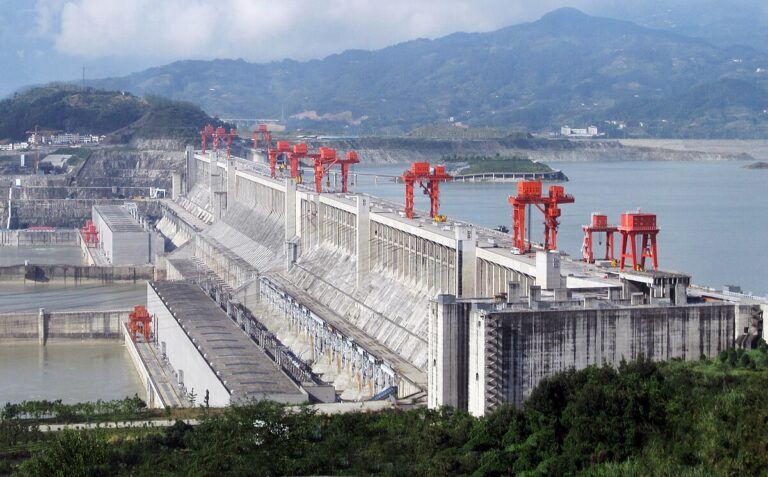
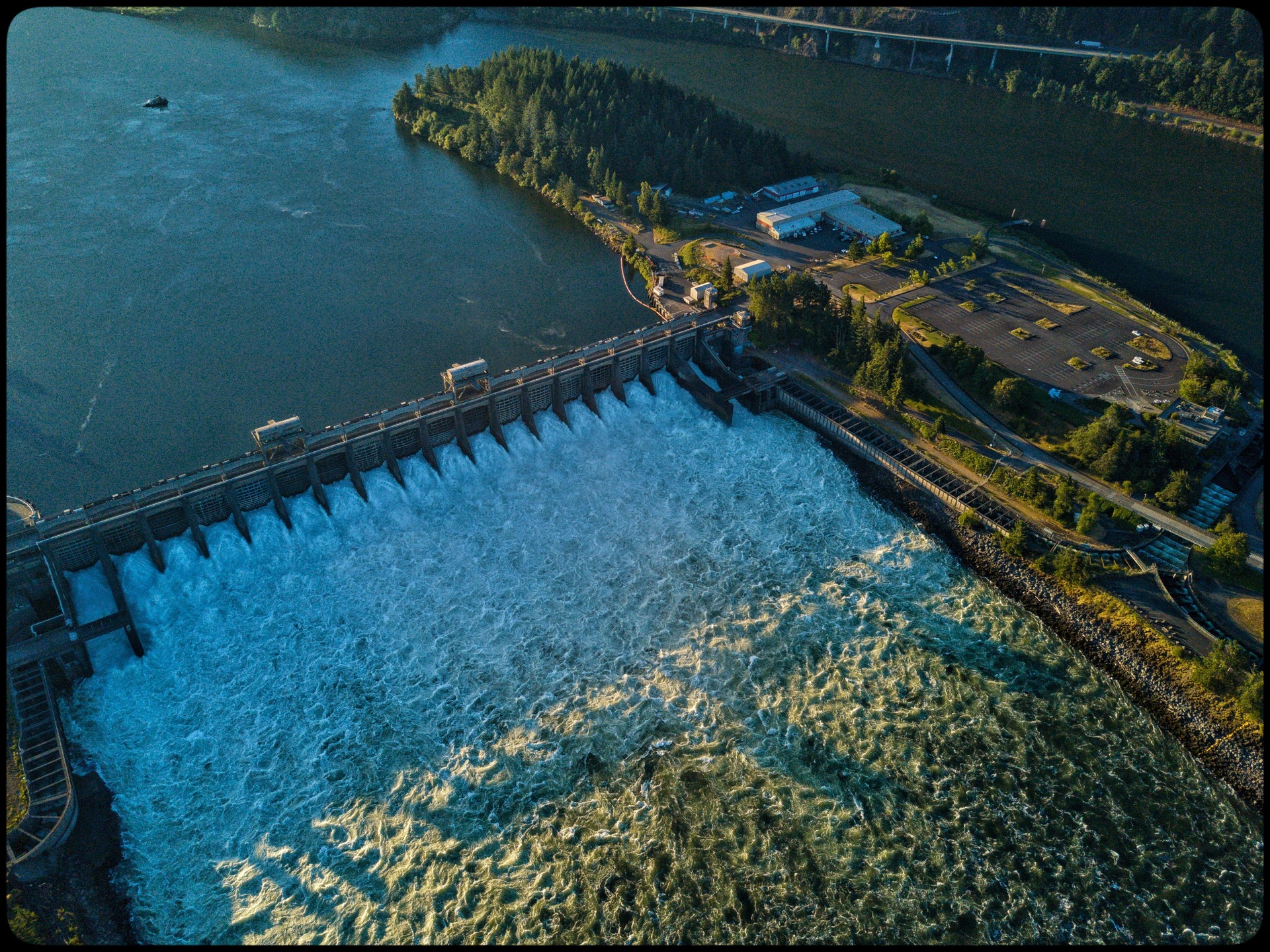
Impoundment is the most common type. It uses a dam to store river water. This creates a large reservoir. Water releases from the reservoir. This water flows through and spins a turbine. The spinning turbine activates a generator. This process produces clean electricity. Operators release water to meet various needs. These needs include changing electricity demand and flood control.
2. Diversion Facilities (Run-of-River)
A diversion plant channels part of a river. People sometimes call it a “run-of-river” facility. It uses a canal or a penstock. The plant utilizes the river’s natural elevation drop. A penstock is a closed pipe. It channels water flow to the turbines. Gates and valves regulate the water flow. Importantly, a diversion facility may not require a dam.
3. Pumped Storage Hydropower (PSH)
Pumped storage hydropower (PSH) works like a massive battery. PSH stores electricity generated by other sources. These sources include solar, wind, and nuclear power. When electricity demand is low, PSH pumps water. It moves water from a lower reservoir to a higher reservoir. When demand is high, the facility releases the water. The water flows back down to the lower reservoir. This movement turns a turbine, generating needed electricity.
Sizes of Hydropower Plants
Hydropower facilities range widely in size. Large power plants supply electricity to many customers. Small and micro plants serve individuals or small villages. The Department of Energy (DOE) defines these sizes:
Large Hydropower
DOE defines large hydropower plants by capacity. These facilities must have a capacity greater than 30 megawatts (MW).
Small Hydropower
Small hydropower projects generate between 100 kilowatts and 10 MW. Definitions for this size category often vary slightly.
Micro Hydropower
A micro plant has a capacity up to 100 kilowatts. A small or micro system can produce enough electricity for a single home. They can also power a farm, ranch, or small village. Would you like to learn more about sustainable energy solutions? Read Our Blog today. You can also explore options to reduce your own carbon footprint. Shop Our Products now.
Reference: Inspired by content from https://www.energy.gov/eere/water/types-hydropower-plants.