🤖 AI Expert Verdict
Hydroelectric energy generates electricity using the power of moving water. This renewable source is the most common globally, accounting for about 71% of all renewable electricity production. Plants typically use dams and turbines to convert the water's potential energy into kinetic energy, powering generators.
- Uses a sustainable and renewable water source
- Most commonly used renewable electricity source globally
- Provides reliable, on-demand power generation
Hydroelectric Power: Harnessing Water for Clean Energy
Hydroelectric energy is renewable power. It uses moving water to create electricity. People have used this force for thousands of years. Ancient Greeks used flowing water over 2,000 years ago. They turned a mill wheel to grind wheat into flour. Hydroelectricity is also called hydroelectric power.
How Hydroelectric Energy Works
Most hydroelectric plants follow a simple process. First, they store water in a reservoir. A gate or valve controls the water flow. Water gains potential energy when stored high up. As the water flows downhill, this potential energy changes into kinetic energy. The moving water turns the blades of a turbine. The spinning turbine powers a generator. This generator creates electricity. The power plant then distributes this electricity to customers.
Types of Hydroelectric Plants
We find three main types of hydroelectric plants.
1. Impoundment Facility
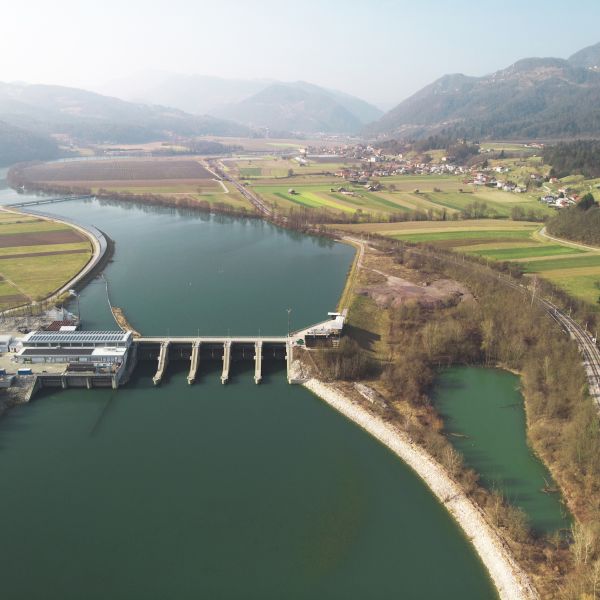
This is the most common type. It uses a large dam. The dam controls water stored in a pool or reservoir. Operators release water when they need more energy. Gravity pulls the water downward through a turbine. The turbine spins and powers a generator.
2. Diversion Facility
This plant does not use a dam. It uses canals instead. These canals channel flowing river water. The water then moves towards the generating turbines.
3. Pumped-Storage Facility
This plant stores extra energy. It takes power from solar, wind, or nuclear sources. It pumps water uphill to a higher reservoir. When demand for electricity is high, the stored water releases. It flows back down to a lower reservoir. This action turns a turbine and generates more electricity.
If you are looking for ways to reduce your carbon footprint, consider our options. Shop Our Products now.
Global Usage and Major Producers
Hydroelectric energy is the world’s most used renewable electric source. Approximately 71 percent of all global renewable electricity comes from hydropower. China produces the largest amount of hydroelectricity globally. Other major producers include the United States, Brazil, Canada, India, and Russia. Learn more about clean energy solutions when you Read Our Blog.
The Largest Hydroelectric Power Plant
The Three Gorges Dam in China holds the record. It spans the Yangtze River. This dam is the world’s largest hydroelectric producer by output. It measures 2,335 meters long. It stands 185 meters tall. Its generators produce 22,500 megawatts of power.
Reference: Inspired by content from https://education.nationalgeographic.org/resource/hydroelectric-energy/.