🤖 AI Expert Verdict
The most common types of domestic battery storage in the UK include Lithium-ion, Lithium Iron Phosphate (LiFePO₄), Absorbent Glass Mat (AGM) lead-acid, Gel, and Saltwater batteries. Each type differs in energy density, lifespan, safety features, and cost. Lithium-ion offers high efficiency and compact size, while LiFePO₄ provides greater thermal stability and longevity.
- Reduce reliance on grid electricity.
- Save money by using off-peak energy.
- Increase energy independence and resilience.
- Support the UK's clean power system goals.
- LiFePO4 and Saltwater options offer high safety.
Choosing the Right Battery Storage for Your Home
Choosing the right battery storage is important. Different battery types offer different benefits. Understanding these options helps you select the best technology. The UK government wants a clean power system by 2030. Home batteries are essential for this goal. They help increase clean electricity capacity. Battery storage saves excess electricity. You can store solar power or off-peak energy. This reduces your reliance on expensive grid electricity. It also lowers overall system costs. But which battery is right for your home? Your choice affects cost, efficiency, and lifespan.
The Major Types of Domestic Battery Storage
A. Lithium-ion Batteries
Lithium-ion batteries are the most common storage technology. They are in everything from phones to large projects. They store energy by moving lithium ions. Ions travel between a cathode and an anode through an electrolyte. Charging moves ions to the anode. Discharging returns them to the cathode. This generates electric current. These batteries store much energy in a small space. They keep efficiency over many cycles. They work well when space and weight matter. Lithium-ion batteries are reliable but cost more. They need careful management to prevent overheating.
B. LiFePO₄ (Lithium Iron Phosphate) Batteries
LiFePO₄ uses lithium iron phosphate as the cathode. This replaces materials like cobalt. They have lower energy density than standard lithium-ion. However, they offer much greater stability and safety. The phosphate bond reduces overheating risk. This happens even under heavy use. LiFePO₄ batteries last an exceptionally long time. They do take up more space, though. Their long cycle life means fewer replacements. They work reliably in many temperatures. This makes them ideal for remote installations.
C. Flooded Lead-Acid Batteries
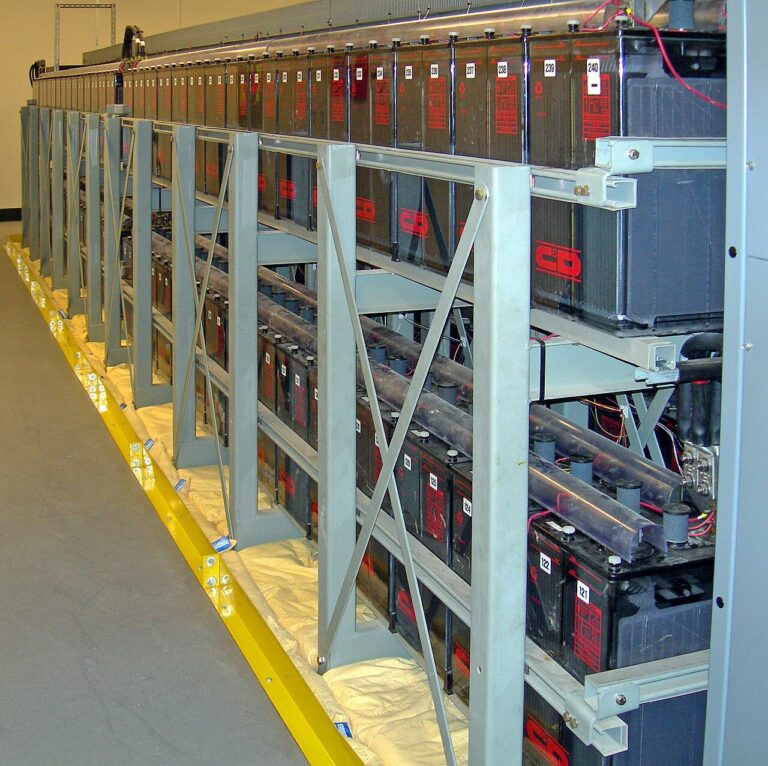
Lead-acid batteries use a chemical reaction for storage. Lead plates and sulfuric acid react. Charging reverses the reaction. These are often in older, budget off-grid systems. They need regular maintenance. You must top up the water levels. They release hydrogen gas when charging. You must place them in ventilated areas. They remain a cost-effective choice. Yet, maintenance and shorter life make them less popular. Sealed options are gradually replacing them in the UK.
D. Absorbent Glass Mat (AGM) Batteries
AGM batteries are sealed lead-acid units. Fiberglass mats absorb the electrolyte. This design stops spillage. It also allows for faster charging. AGM batteries suit home storage systems well. They need little maintenance. Their sealed design works for indoor installation. They are safer and more convenient than traditional lead-acid.
E. Gel Batteries
Gel batteries are also sealed lead-acid units. Silica creates a gel-like electrolyte. This prevents leakage. It allows the battery to operate in any position. They work for small solar setups or caravans. They resist vibration well. Gel batteries handle deep cycling robustly. They offer reliable storage in remote locations.
F. Saltwater Batteries
Saltwater batteries use saline water as the electrolyte. Sodium ions move between electrodes. They contain no heavy metals. They are non-toxic and eco-friendly. These batteries are a growing niche in the UK. Sustainable properties often use them. They offer great safety and recyclability. They are typically larger and cost more.
Commercial and Grid-Scale Battery Technologies
Several types serve large-scale or grid applications. Home use is uncommon for these.
- Zinc-Bromine Batteries: These store energy in a liquid electrolyte. They show promise for grid-scale power uses.
- Nickel-Cadmium (NiCd) Batteries: NiCd batteries are very durable. They work in extreme conditions. UK use is mostly in aviation or emergency backups. Cadmium’s toxicity restricts home use.
- Sodium-Sulfur (NaS) Batteries: NaS batteries operate at very high temperatures. They use molten sodium and sulfur. They help balance the UK National Grid. High temperatures make them impractical for homes.
- Flow Batteries: These store energy in liquid electrolytes in external tanks. Capacity scales easily with tank size. Their size and complexity fit large storage solutions best.
Key Metrics for Choosing a Battery
You must look at several technical details.
- Capacity (kWh): This shows the total energy the battery stores. Check the usable capacity. Some units hold a reserve capacity.
- Power (kW): This shows how much electricity the battery supplies at once. Higher power runs more appliances together.
- Cycle Life: This measures how many times the battery charges and discharges. Compare this with the warranty for a realistic lifespan.
- Round-Trip Efficiency: This is the percentage of stored energy you recover. Higher efficiency wastes less energy.
- Depth of Discharge (DoD): This is the safely usable percentage of stored energy. A higher DoD gives more usable capacity.
Other Important Considerations
Battery storage costs between £5,000 and £8,000. This depends on size and usage.
- Physical Size and Weight: Units range from wall-mounted packs to cabinets. Weight affects installation requirements. You can Shop Our Products to see different sizes.
- Scalability: Some systems allow adding modules later. You can increase capacity as needed. Fixed systems require replacement for upgrades.
- Safety Features: Check temperature tolerance and integrated safety systems. This is vital for indoor or limited ventilation areas.
Making the Right Choice
Choosing the right battery balances cost, safety, and performance. For most homes with solar panels, the investment pays off. It brings greater energy independence and lower bills. Lithium-ion batteries remain a strong choice. Sodium-ion is an emerging option. Other chemistries like AGM or saltwater suit different budgets. No single option fits every home. Consider your space, usage, and future expansion needs. You can learn more about these options when you Read Our Blog.
Reference: Inspired by content from https://solaradvice.co.uk/different-types-of-battery-storage-uk/.