
Hydroelectric Power Benefits Costs and How It Works

Hydroelectric Power Benefits Costs and How It Works

Hydroelectric Power: Harnessing the Power of Water Hydroelectric power is also known as hydropower. It is one of the oldest and largest sources of renewable energy. Hydropower uses the natural flow of moving water. This movement generates electricity. Hydropower’s Role in the U.S. Hydropower plays a huge role in the U.S. power grid. It currently…

Hydropower Plants Types Benefits and Role in Grid Stability

Hydropower Plants Types Benefits and Role in Grid Stability

The Power of Water: Understanding Hydropower Plants Hydropower is key for renewable energy. It forms the foundation of Swiss electricity. This source produces reliable, CO2-free power. Three Types of Hydropower We use run-of-river, storage, and pumped storage plants. These plants offer great flexibility. Swiss engineering history features this technology. We constantly improve our plants. This…

Hydrogen Contributes to Decarbonization Safety Investment

Hydrogen Contributes to Decarbonization Safety Investment

The U.S. Department of Energy (DOE) supports clean hydrogen. In late 2023, the DOE announced a $7 billion plan. This money funds seven Regional Clean Hydrogen Hubs. The goal is scaling cost-effective clean hydrogen use. Utilities face rising pressure from data centers. These industries demand large amounts of reliable power. Hydrogen helps utilities meet this…

Battery Storage Ftm vs Btm – Maximizing Commercial Value

Battery Storage Ftm vs Btm – Maximizing Commercial Value

Battery Storage: FTM vs BTM – Maximizing Commercial Value Energy experts constantly debate battery storage placement. Where should we locate these assets? We must find the location that creates the greatest value. Value goes to both asset owners and the wider society. Generally, storage placed further downstream accesses more value streams. This means potential commercial…

Wind Power Why Noaa Data Reliability Matters for Renewables

Wind Power Why Noaa Data Reliability Matters for Renewables

Wind Power Relies on Reliable Data: The Importance of NOAA Forecasting Harnessing wind power requires precise measurements. We must know exactly where and when the wind blows strongest. This critical information comes from complex global weather forecasting. The data we rely on is currently at risk. Reliable weather data is essential for planning renewable energy…

Reduce Greenhouse Gas Emissions EU’s Path to Climate

Reduce Greenhouse Gas Emissions EU’s Path to Climate

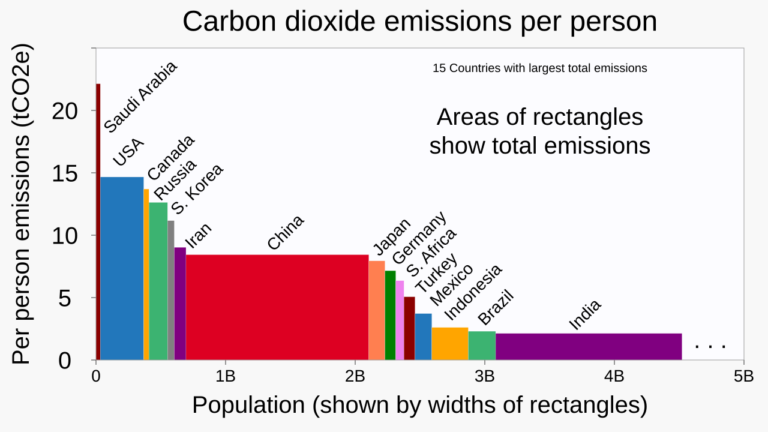
The Race to Zero: How to Reduce Greenhouse Gas Emissions by 2050 Our climate is changing. Greenhouse gases released into the atmosphere cause this change. We must reduce the flow of these heat-trapping gases. This process is called climate change mitigation. We cut emissions from major sources. These sources include power plants, factories, cars, and…

Solar Power Race for the Most Powerful 750W Panels

Solar Power Race for the Most Powerful 750W Panels

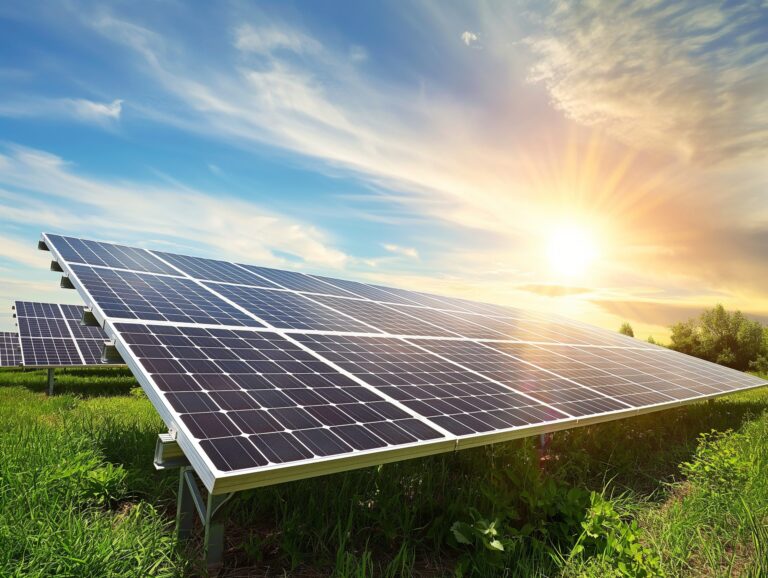
The Race for Power: The World’s Most Powerful Solar Panels (750W+) Solar panel efficiency remains vital. However, utility-scale solar focuses on maximum power output. The race for the world’s most powerful solar panel accelerated since 2020. Innovations in cell design drive this quick growth. We see larger N-Type cells and multi-busbar designs. These changes boost…

Hydroelectric Power The 5 Largest Dams on Earth 2024 List

Hydroelectric Power The 5 Largest Dams on Earth 2024 List

The World’s Largest Hydroelectric Power Stations Hydroelectric power harnesses the energy of moving water. This energy turns turbines to generate electricity. The world’s largest power stations use massive dams to achieve incredible output. We list only plants generating more than 3,000 MW of capacity. These structures rank among the largest artificial structures globally. The Giants…

Hydropower Plants How Dams Harness Water’s Renewable Energy

Hydropower Plants How Dams Harness Water’s Renewable Energy

The Massive Power of Hydropower Plants Hydropower plants create electricity worldwide. They produce about 24% of the world’s electricity. This supplies power to over 1 billion people. The U.S. has over 2,000 hydropower plants. This makes it the country’s largest renewable energy source. We look at how falling water creates this energy. We also explore…

End of content

End of content