
🤖 AI Expert Verdict
The Solar Zenith Angle (SZA) is the angle between the local vertical (zenith) and the line to the center of the sun. It is a critical factor in Solar Power generation, determining the intensity of solar radiation hitting a surface, with lower SZA values indicating more direct, powerful sunlight.
- Maximizes solar panel efficiency.
- Essential for accurate energy yield prediction.
- Necessary for calculating optimal panel tilt.
The Solar Zenith Angle: Maximizing Your Solar Energy
Understanding the solar zenith angle (SZA) is crucial for maximizing efficiency. Solar Power systems rely on precise calculations of the sun’s position. The SZA is the angle between the local vertical direction and the line pointing to the sun’s center. This angle changes all day due to Earth’s rotation. It also changes annually due to our orbital tilt. SZA helps you quantify incoming solar radiation (insolation) at the surface.
Defining the Solar Zenith Angle
The zenith is the point directly above an observer on Earth. The SZA measures how far the sun deviates from this point. If the SZA is 0°, the sun is straight overhead. If the SZA is 90°, the sun is on the horizon. This angle complements the solar elevation angle. You can calculate SZA using simple spherical trigonometry. Key factors are your latitude, the sun’s declination, and the local hour angle.
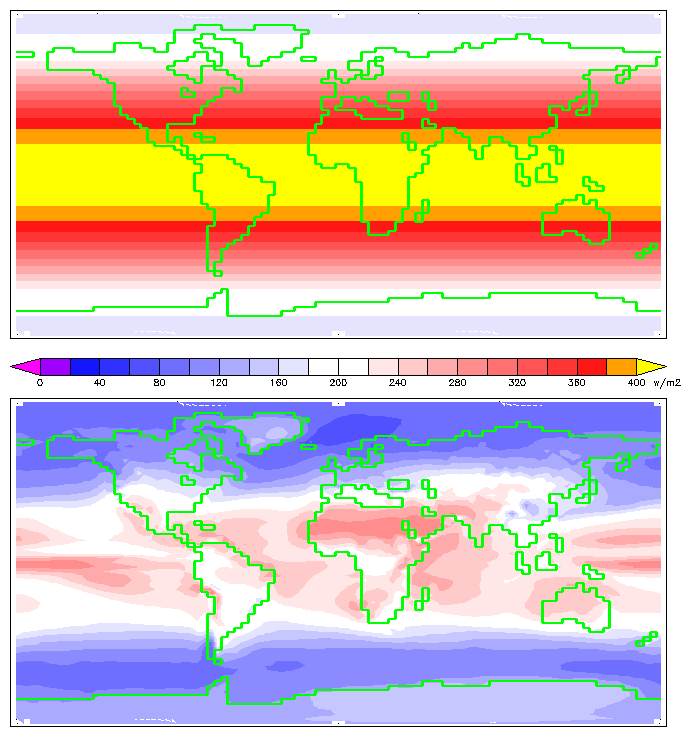
This accurate determination is essential for modeling solar performance. The amount of solar flux reaching a horizontal panel is proportional to the cosine of the SZA. A smaller SZA means more direct sunlight and higher energy production. Shop Our Products to see how we capture maximum light.
Optimizing Your Solar Power System
Designers must use the SZA to position solar panels correctly. Tracking the sun’s path maximizes the efficiency of your Solar Power setup. The minimum SZA occurs at local solar noon. This is when your system receives peak light intensity. The SZA helps predict seasonal and daily variations in energy output. This data is necessary for climate modeling and grid planning. Understanding SZA ensures you get the most from your investment in Solar Power technology. Want to learn more? Read Our Blog.
Accurate SZA calculations lead to higher yields for residential and commercial Solar Power installations. The National Renewable Energy Laboratory (NREL) uses complex algorithms for high precision. These calculations help engineers design systems that adjust for tilt and azimuth. The result is optimized energy capture year-round.
Reference: Inspired by content from https://grokipedia.com/page/Solar_zenith_angle.