The Power of Wind: Generating Electricity with Renewable Energy
Wind power captures the energy in moving air. Historically, people used wind for sails and windmills. Today, modern technology uses wind mainly to generate electricity. This article focuses on wind power for the electric grid.
How Modern Wind Power Works
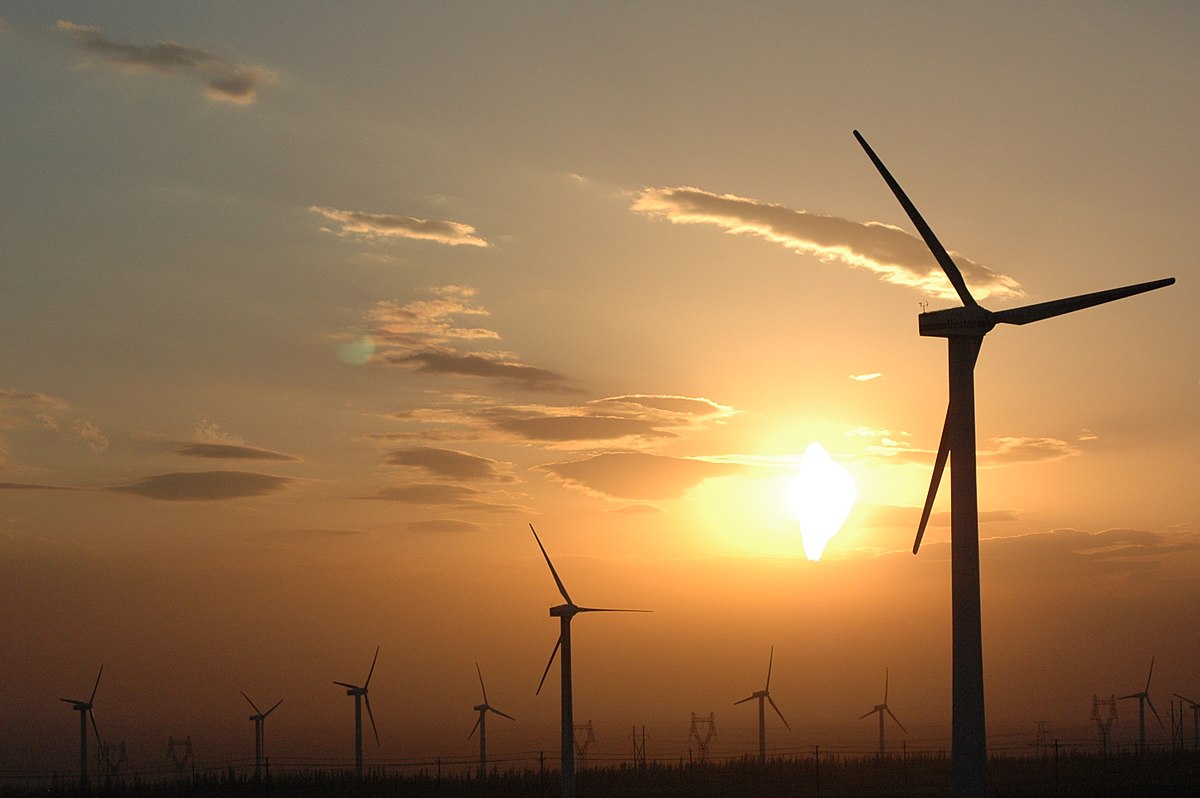
Wind turbines generate almost all wind power today. We group these turbines into large areas called wind farms. These farms connect directly to the main electrical grid. In 2024, wind supplied over 8% of the world’s electricity. Global installed wind capacity now exceeds 800 gigawatts (GW). Over 30 countries generate more than a tenth of their power from wind.
Wind power is a sustainable and renewable source. It creates a much smaller environmental impact than burning fossil fuels. To fight climate change, we must expand wind generation quickly. We offer sustainable solutions in our Shop Our Products.
The Physics of Wind
Wind is simply air movement in the atmosphere. The available power in the wind increases dramatically with speed. Power transfer is proportional to the third power of wind speed. This means power increases eightfold if the wind speed doubles. We use wind resource assessment to estimate wind power potential worldwide. Specialized tools simulate wind speed and power output hourly for specific sites.
Wind Farms: Onshore vs. Offshore
A wind farm is a collection of turbines operating in the same area. Very large farms may contain several hundred turbines. Most land between onshore turbines remains usable for agriculture. Almost all modern, large turbines use the same design. They feature a horizontal axis with three blades. The blades attach to a nacelle on top of a tall tower.
Individual turbines connect to a medium voltage power system. This system runs to a substation. The substation uses a transformer to increase the voltage. This allows connection to the high-voltage transmission system.
Differences in Location
Land-based (onshore) wind farms are typically cheaper. However, they have a greater visual impact on the landscape. Offshore wind farms operate in large bodies of water, usually the sea. Offshore sites use stronger, more frequent winds. They also cause less visual pollution. But offshore construction and maintenance costs are much higher. Currently, offshore wind accounts for about 10% of new installations.
Integration Challenges and Future Growth
Wind power is one of the lowest-cost sources of electricity available. New onshore wind farms often cost less than new coal or gas plants. However, wind generation is variable. Low wind periods require backup from other power sources or energy storage.
A major challenge involves power transmission. Wind resources are often far from large population centers. Longer transmission lines increase power loss. When the grid capacity cannot handle the power, wind farms must reduce output. We call this process curtailment.
We need new transmission lines to carry power from remote wind farms to high-load locations. Using an interconnected super grid with HVDC technology could be a future option. Combining wind and solar power also works well in many countries. Wind output peaks at night and in winter. Solar output compensates during the day and summer. You can learn more about renewable integration when you Read Our Blog.
Capacity and Penetration
We measure actual productivity using the capacity factor. This ratio compares yearly output to the theoretical maximum. Estimates for wind installations typically range from 35% to 44%. Experts agree that integrating 20% of total electrical energy from wind causes minimal difficulty. Interconnected grids and storage capacity support higher levels of wind energy penetration.
Reference: Inspired by content from https://en.wikipedia.org/wiki/Wind_power.