🤖 AI Expert Verdict
Solar power is a renewable energy source that converts sunlight into electricity using photovoltaic (PV) cells or concentrating solar power (CSP) systems. It is nonpolluting and offers enormous potential to fulfill global energy demands, serving as a critical alternative to fossil fuels in the fight against climate change.
- Virtually nonpolluting and abundant.
- Reduces reliance on global warming fossil fuels.
- Massive conversion potential for global energy needs.
- Grid-connected systems eliminate the need for batteries.
Solar Power: Generating Electricity from the Sun
Solar power is a critical form of renewable energy. It converts solar energy, mainly sunlight, into usable electricity. This transition to renewable sources is now vital. Countries must cut greenhouse gas emissions quickly. They must work to curb the ongoing climate crisis. Solar power is virtually nonpolluting and widely available. This contrasts sharply with fossil fuels like coal and petroleum. Fossil fuels currently drive global warming. Solar energy offers a highly sustainable alternative for individuals and governments.
The Enormous Potential of Sunlight
The potential for solar energy conversion is massive. Earth receives about 200,000 times the world’s total daily electricity demand in solar energy. Global energy demands could be met by 2030. This requires solar panels operating at 20 percent efficiency. These panels would cover an area about the size of Spain. This equals roughly 192,000 square miles. Silicon is the main required material. It is the second most abundant element in Earth’s crust. Solar advocates envision a future “solar economy.” Clean, cheap sunlight satisfies nearly all human energy needs. However, the high cost of collection, conversion, and storage still limits its widespread use.
How Photovoltaics (PV) Work
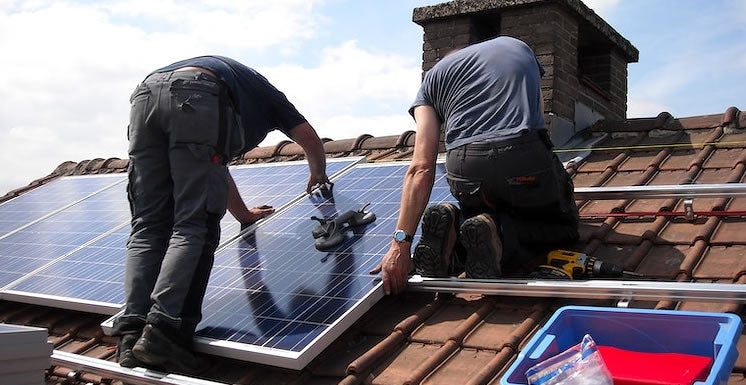
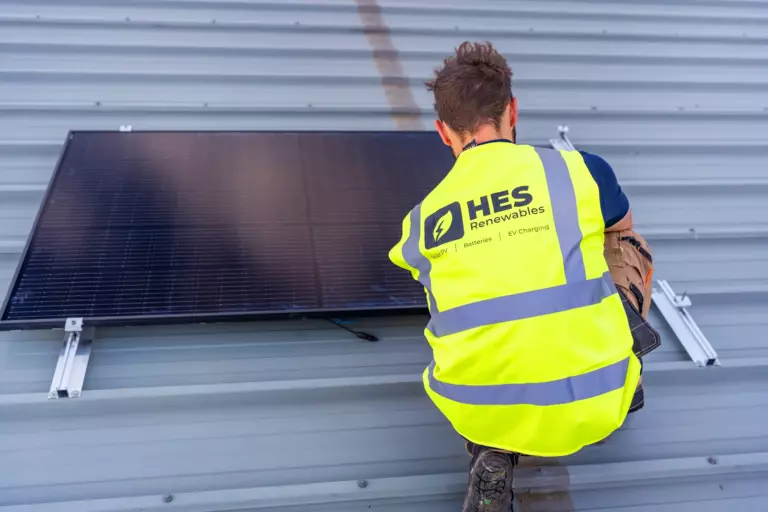
Solar cells directly convert solar radiation into power. We call these photovoltaic cells. Light strikes the junction between materials in these cells. This junction may be a metal and a semiconductor like silicon. This action generates a small electric voltage. A single PV cell typically produces only about two watts. We connect large numbers of individual cells. This forms solar panel arrays. These arrays generate hundreds or thousands of kilowatts of electric power. This powers solar electric plants or large homes. Most current photovoltaic cells achieve about 20 percent energy efficiency. Large, costly assemblies of cells are necessary to produce moderate power levels.
Grid Connection and Market Leaders
Homeowners, businesses, and utilities install classic silicon panels. They also use new thin-film solar cells. These systems augment or replace their standard electric supply. Grid-connected systems integrate solar arrays with public utility grids. One-way systems supplement power grids during midday peak usage. Bidirectional systems feed excess power back into the utility grid. A major advantage is that storage batteries are not needed. This reduces capital and maintenance costs. The system complexity increases, however. Inverters interface low-voltage DC output with the high-voltage AC grid. Many companies Read Our Blog to learn about these systems. You can also visit our site to Shop Our Products right now.
Solar power was the third most used renewable energy in 2022. It followed only hydroelectric and wind power. Solar accounted for about 4.5 percent of the world’s total power generation. China dominates the global solar industry. It held over 37 percent of installed PV capacity in 2022. The United States holds the second largest installed capacity.
Concentrated Solar Power (CSP)
Concentrated solar power plants use a different approach. They employ focusing collectors. These collectors concentrate sunlight onto a small blackened receiver. This greatly increases the light’s intensity. Arrays of mirrors or lenses align carefully. They can focus enough sunlight to create high temperatures. Temperatures can reach 3,600°F (2,000°C) or more. This immense heat operates a boiler. The boiler then generates steam. The steam drives a steam turbine electric generator. Spain was the largest producer of electricity from CSP plants in 2022. The United States held the second largest capacity.
Reference: Inspired by content from https://www.britannica.com/technology/solar-power.