Hydropower Plants Ultimate Guide to Water Energy Types
🤖 AI Expert Verdict
Hydropower plants generate electricity using the kinetic and potential energy of moving water. These facilities, which include large dams, pumped-storage systems, and run-of-the-river stations, provide 15% of global electricity, making them the largest source of renewable energy worldwide. While they offer flexible, low-carbon power, their construction can impact river ecosystems and displace populations.
Why We Like It:
Provides flexible, low-carbon electricity on demand.
Produces almost no direct waste after construction.
Represents the largest source of global renewable energy.
Dams can help ameliorate the risks of flooding.
What Are Hydropower Plants?
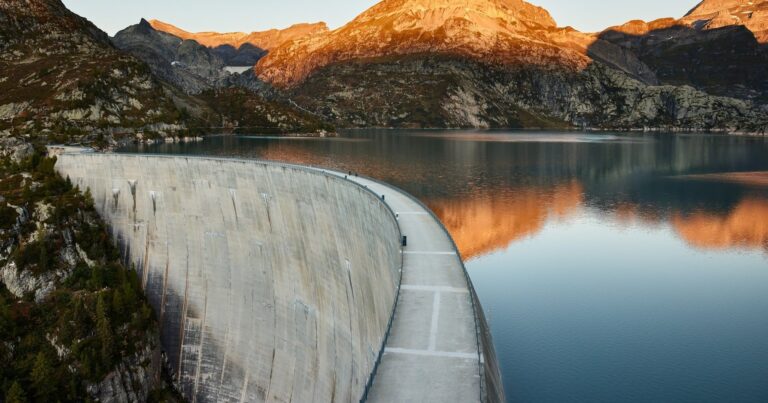
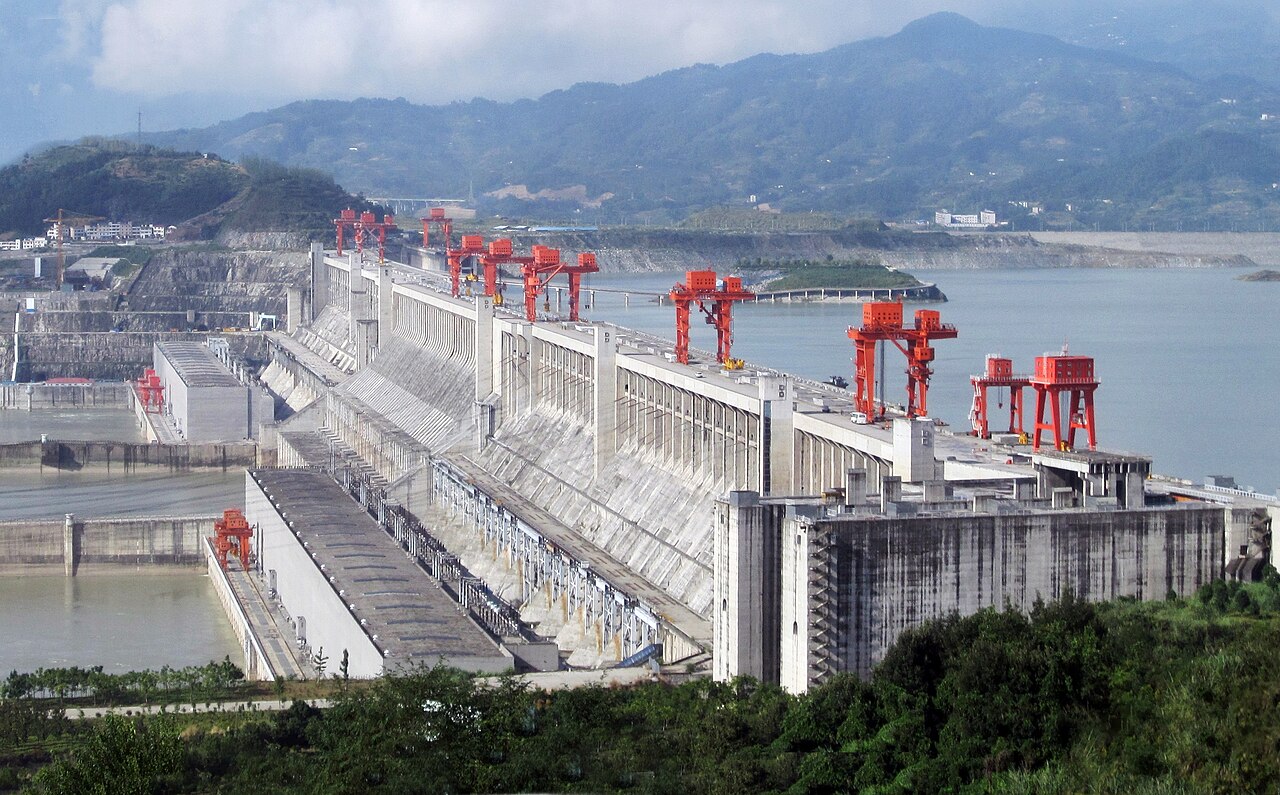
Hydroelectricity is power from water. We call this hydropower. It supplies 15% of the world’s electricity. This amount is more than all other renewable sources combined. Hydropower offers a reliable source of low-carbon energy. It helps create secure and clean electricity systems. A dam and reservoir make a power station flexible. Operators can quickly increase or decrease power output. This responds to changing electricity demand. A completed complex produces almost no direct waste. It emits much less greenhouse gas than fossil fuel plants.
A History of Water Power
People used hydropower for centuries. Ancient societies ground flour using water power. The Industrial Revolution started with hydraulic power. Engineers published hydraulic designs in the mid-1700s. The electrical generator later combined with hydraulics. The first hydroelectric scheme opened in 1878 in England. The US saw its first plant in 1881 near Niagara Falls. By 1889, the US had 200 such stations. Large-scale projects later developed for flood control and irrigation. Today, global installed capacity is almost 1,400 GW. China, Brazil, and Norway lead the world in usage. We must find more clean energy solutions. Shop Our Products to support a greener future.
How Hydropower Plants Work
We classify hydropower plants in different ways. Most hydropower uses the potential energy of dammed water. The water drives a turbine and generator. Power depends on the volume of water. It also depends on the height difference, or “head.” A large pipe called a “penstock” delivers the water from the reservoir.
Pumped-Storage Systems
Pumped-storage schemes manage electricity demand. During low demand, excess power pumps water uphill. This water goes into a higher reservoir. When demand is high, the water flows back down. It turns a turbine and generates electricity. These schemes store energy effectively.
Run-of-the-River Plants
Run-of-the-river stations use little or no reservoir capacity. They only use water flowing downstream at that moment. Any oversupply of water passes unused. A constant water supply from upstream greatly helps these sites.
Classifying Hydro by Size
We also classify plants by capacity. Large Hydro Power (LHP) plants often exceed 50 MW. Only seven facilities over 10 GW operate worldwide. Small Hydro Power (SHP) serves small communities or plants. The upper limit for SHP is usually 10 MW. Countries define this limit differently. Micro hydro produces up to 100 kW of power. These systems help isolated homes or small towns. They are economical and require no fuel purchase. Pico hydro generates under 5 kW. This small amount helps remote communities. For example, it can power a few lights or charge a phone. Learn more about energy solutions. Read Our Blog for detailed insights.
Environmental Challenges
Hydroelectric complexes offer many benefits. However, construction creates significant environmental impacts. Projects can displace populations and lose farmland. They disrupt the river’s natural ecology. This affects habitats and ecosystems. Siltation and erosion patterns also change. Dams can reduce flood risks. Yet, dam failure causes catastrophic results. We need continuous efforts to limit climate change globally. Hydropower remains crucial for clean energy supply.Reference: Inspired by content from https://en.wikipedia.org/wiki/Hydropower_plant.
Solar Power Guide Solar Power provides clean energy for your home. This Solar Power technology captures light from the sun. You can find great gear when you Shop Our Products. The Benefits of Solar Power Solar cells turn light into electricity. This process uses the photoelectric effect. You can save money on bills. It also…
Wind Power: Harnessing Clean Energy Wind Power provides a clean way to create electricity. This energy source relies on the movement of air across the Earth. Air moves because of pressure changes. High pressure air flows toward low pressure areas. This flow creates what we call wind. Shop Our Products to help the planet today….
Wind Power is a great way to help our planet. Using Wind Power reduces the need for fossil fuels. Wind moves because of pressure changes in the atmosphere. This movement creates energy. We capture this energy with turbines. Shop Our Products to see how you can help. The Many Benefits of Wind Power Turbines turn…
The Power of Water: Understanding Hydroelectric Energy Hydroelectricity, often simply called hydropower, is the process of generating electricity using the kinetic and potential energy of moving water. This ancient method of utilizing water power has transformed into the single largest source of renewable energy globally, providing approximately 15% of the world’s total electricity supply—nearly 4,210…
Biomass Energy: Your Guide to Renewable Organic Fuels Biomass is organic material. It comes from living or recently deceased organisms. This includes plants, animals, and microorganisms. Biomass serves as a renewable energy source. We convert it into heat, electricity, or fuels. Conversion uses methods like direct combustion or anaerobic digestion. Defining Biomass and Its Scope…
Hydropower: Using Water to Create Clean Energy Hydropower uses falling or fast-running water. People call it water power or water energy. It creates electricity or powers machines. We convert the water’s kinetic or potential energy into power. Hydropower offers a sustainable way to produce energy. Today, we mainly use it for hydroelectric power generation. We…
Join our newsletter and get 20% off your first order
Subscribe to our newsletter and get the latest trending products and offers updates.
Wait! before you leave…
We have something special for you
Use above code to get 20% off for your first order when checkout. Don't miss it.
In order to provide you a personalized shopping experience, our site uses cookies. By continuing to use this site, you are agreeing to our cookie policy.
Ask a question
Share
Shopping Cart
Your cart is empty
No items in your cart. Go on, fill it up with something you love!