🤖 AI Expert Verdict
Hydrogen contributes to decarbonization by offering a low-carbon energy carrier for sectors where direct electrification is not technically or economically feasible, such as heavy industry and long-distance transport. Current production methods largely rely on fossil fuels, but pathways like water electrolysis using clean electricity and methane reforming with carbon capture and storage (CCS) aim to create clean hydrogen at scale. Key challenges include the high cost of clean production and the difficulty of storing and transporting hydrogen due to its low volumetric energy density.
- Decarbonizes hard-to-abate sectors like industry and shipping.
- Production can be made low-carbon using renewables (electrolysis).
- Methane reforming with CCS offers a path for scaled production.
- Growing global policy support and investment.
Hydrogen Contributes to Decarbonization: A Realistic View
Hydrogen plays a key role in fighting climate change. It helps decarbonize sectors that are hard to electrify. Think about heavy industry or long-distance shipping. Engineers and policymakers must choose cost-effective applications. We need to acknowledge how we produce hydrogen today. Current methods often create high emissions.
Interest in hydrogen is not new. Efforts began in the 1970s. Earlier attempts failed to make hydrogen a major fuel. Today feels different for important reasons. Climate concerns now drive the excitement. Renewable energy costs have dropped greatly. This allows us to produce hydrogen from clean electricity. However, hydrogen’s physical traits remain the same. It is hard to store and transport. This fact limits its use beyond current industrial needs. Read Our Blog for more insights on clean energy.
Where Does Hydrogen Come From Today?
Nearly all dedicated hydrogen production uses fossil fuels. Globally, we produce about 59 million metric tons annually. This comes from natural gas, using steam methane reforming. Coal gasification adds another 20 million metric tons yearly. Most coal-based production happens in China. These production methods release a lot of carbon. About 16% of hydrogen is a byproduct consumed on site.
Decarbonizing Hydrogen Generation
Current hydrogen production creates major CO2 emissions. This accounts for about 2% of global CO2. Decarbonizing this existing consumption offers a great chance. We focus on two main ways to create clean hydrogen at scale. These methods are water electrolysis and methane reforming with CCS.
Water electrolysis uses electric current. It splits water into hydrogen and oxygen. The resulting hydrogen is low-carbon if the electricity is clean. This method costs significantly more than current processes. It supplies only a tiny fraction of global hydrogen today.
Methane reforming uses natural gas feedstock. We must include Carbon Capture and Storage (CCS) here. This process must minimize lifecycle carbon emissions. We must lower upstream methane leakage. We must use low-carbon electricity. For example, EU rules demand a 90% reduction in direct emissions.
The Challenge of Clean Hydrogen Supply
Low-carbon hydrogen is currently scarce. Electrolysis made up only 0.1% of global production in 2022. Economics and an undeveloped supply chain cause this low number. New incentives aim to change this picture. Big hurdles still exist. Large facilities need massive capital investment. Electrolysis plants need huge amounts of clean electricity. CCS requires pipelines and geologic storage sites.
These large facilities take years for planning and delivery. Electrolysis competes for clean power resources. We must first decarbonize the main power sector. This grid decarbonization offers fast, high-impact results. Supplying current US hydrogen needs via electrolysis requires 60% of all current US renewable electricity. Think about that competition! You can explore options to reduce your own carbon footprint. Shop Our Products now.
Storing and Transporting Hydrogen
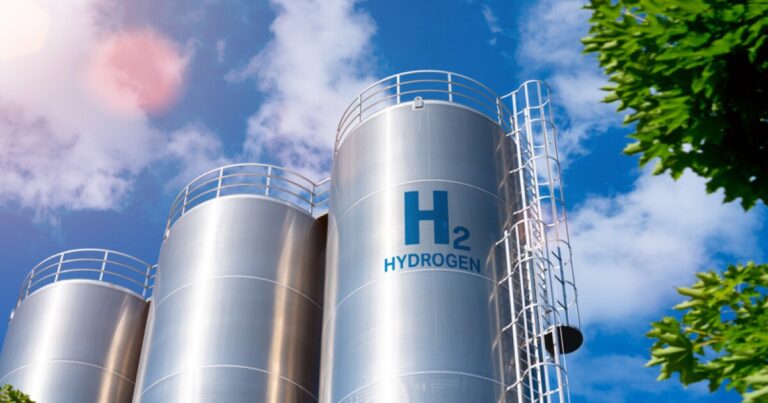
Hydrogen is difficult to store and transport. It has extremely low volumetric density. It exists as a gas at standard temperature. Its boiling point is near absolute zero. Most hydrogen produced today is used locally. Only small amounts travel long distances.
Many countries plan to export hydrogen globally. Some predict trade will match current oil and gas volumes. Policy-driven demand fuels these expectations. Resource-rich nations expect a cost advantage. However, transport realities limit these projections. Shipping hydrogen across oceans is difficult.
Potential Delivery Methods by Ship
Ammonia (NH3) can carry hydrogen. We convert hydrogen into liquid ammonia for shipping. Later, we crack the ammonia to separate the elements. Cracking takes a lot of energy. Ammonia methods are commercially mature. Cracking methods are not yet proven at large scale. Using ammonia directly for existing uses avoids the cracking energy penalty.
Liquid Organic Hydrogen Carriers (LOHCs) are another option. These solvents allow liquid long-distance transport. The technology fits existing infrastructure. However, LOHCs are not scalable. They are also inefficient. Toluene, for example, carries only 6% hydrogen by weight. Transporting large volumes would demand too much toluene supply.
We need realistic assessments of clean hydrogen’s role. It remains a key tool for deep decarbonization. We must focus its use where other options fail.
Reference: Inspired by content from https://www.catf.us/resource/hydrogen-decarbonization-realistic-assessment/.