The Ultimate Guide to Solar Panels and PV Technology
What is a Solar Panel?
A solar panel changes sunlight into usable electricity. These devices use many solar modules. Each module holds photovoltaic (PV) cells. PV cells are special materials. Light hits the cells and creates excited electrons. These electrons flow through a circuit. They produce direct current (DC) electricity. You can use this DC power instantly. You can also store it in batteries.
How Does a Solar System Work?
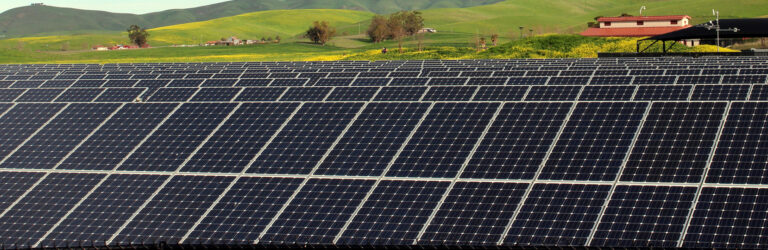
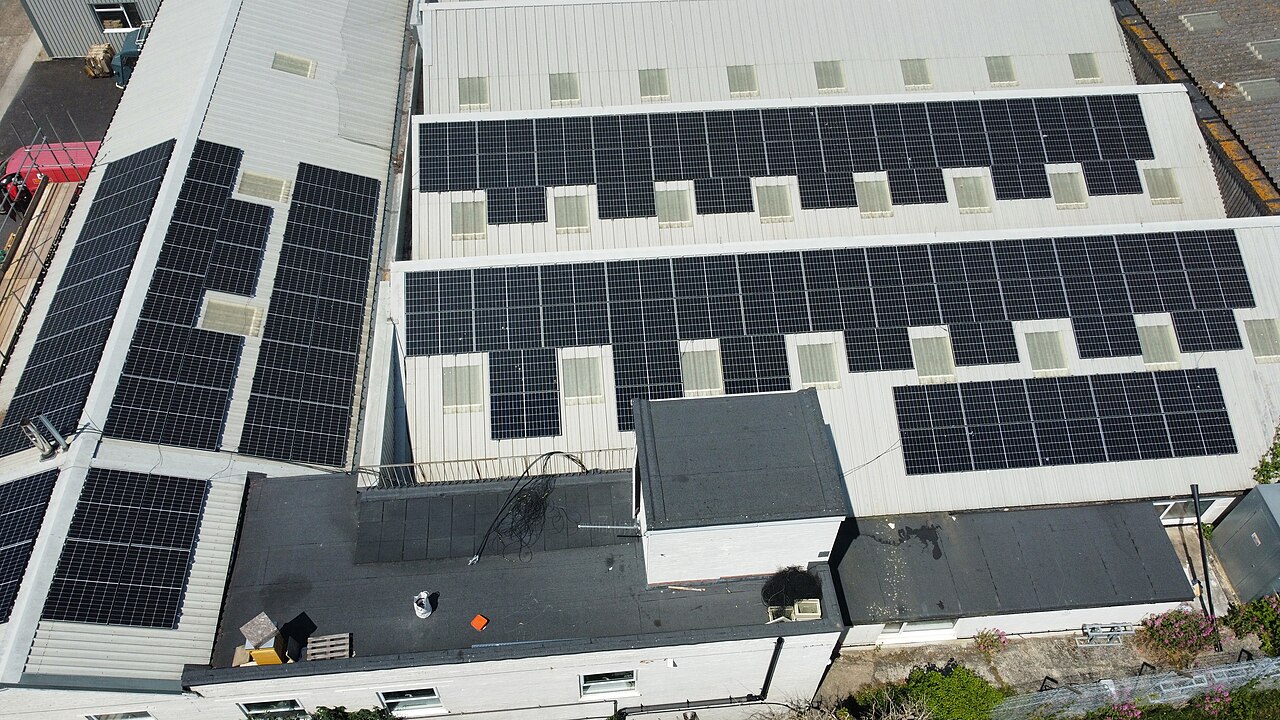
Installers group solar panels into large arrays or systems. A typical PV system needs several parts. It includes the solar panels and an inverter. The inverter converts DC electricity into alternating current (AC). AC power is what your home uses. Systems sometimes include controllers and meters. Most installations are solar farms or rooftop panels. These installations supply the main electricity grid. Solar power is a clean, renewable energy source. It significantly reduces greenhouse gas emissions. Interested in starting your clean energy journey? You can Shop Our Products today!
The History of Photovoltaics
The journey of solar power began long ago. In 1839, Edmond Becquerel observed the initial effect. He saw that light exposure created an electrical charge. These early cells were too inefficient to power devices. Willoughby Smith later confirmed this finding in 1873. He found that light hitting selenium caused the charge. William Grylls Adams and Richard Evans Day replicated these results in 1876.
Charles Fritts created the first commercial solar cell in 1881. He reported that it worked even in dim daylight. However, these cells were still highly inefficient. They could not compete with coal power plants. Russell Ohl invented the modern solar cell design in 1939. He patented his design in 1941. Bell Labs used this design in 1954. They created the first commercially viable silicon solar cell.
Growth and Modern Technology
Falling costs drove the exponential growth of solar energy. The cost of solar PV electricity dropped by 85% since 2010. This growth created new installation challenges. Installers faced issues with shaded roofs and difficult orientations. Micro-inverters and power optimizers solved these problems. Manufacturers partnered to create smart modules. Global PV usage grew immensely. Worldwide PV capacity reached 1,185 gigawatts (GW) by 2022. PV systems now supply over 6% of global electricity. Many countries in the Global South adopt solar. They switch to save money on expensive imported fuels.
Understanding Module Types
Most modules use crystalline silicon cells. These can be polycrystalline or monocrystalline. Crystalline silicon accounts for 95% of PV production. The remaining market uses thin-film technologies. This includes cadmium telluride (CdTe) and amorphous silicon. Thin-film cells are much lighter and more flexible. They work well for building integration and glazing. Bifacial cells are another leading technology. They produce energy from both their front and back sides. This design significantly increases total output. Utility-scale installations favor bifacial panels as of 2024.
The Future of Solar
Third-generation technologies use advanced thin-film cells. These cells promise higher efficiency at lower costs. Multi-junction cells offer the highest power-to-weight ratio. Spacecraft often use these highly efficient cells. We constantly see new innovations in PV technology. Stay updated on all the latest green tech. Read Our Blog for more insights.
Reference: Inspired by content from https://en.wikipedia.org/wiki/Solar_panel.