The Power of Water: A Deep Dive into Hydropower Plants
Hydropower, or hydroelectric power, harnesses the natural force of water flow to generate electricity. Far from being a niche solution, hydroelectricity is currently the world’s leading source of renewable electricity, supplying approximately 15% of global power—a volume greater than all other renewable sources combined, and even surpassing nuclear power generation.
The core strength of hydropower lies in its flexibility. Stations equipped with dams and reservoirs can rapidly adjust output based on fluctuating electricity demand, providing essential low-carbon, on-demand power that is crucial for maintaining secure and clean electricity supply systems.
Global Importance and Market Leaders
As of 2021, the global installed hydropower electrical capacity reached nearly 1,400 GW, confirming its status as the most developed renewable energy technology worldwide. Countries like China, Brazil, and Norway rely heavily on hydro power, with some nations deriving over 85% of their electricity from this source.
Growth continues rapidly, particularly in Asia. In 2022, China added 24 GW of capacity, accounting for almost three-quarters of global additions. Overall, global hydropower generation increased by 2% in 2022, cementing its role as the dominant renewable energy source.
A Brief History of Hydro Power
The use of water power is not a modern invention; it dates back to ancient times when it was employed for tasks like grinding flour. The late 18th century saw hydraulic power fueling the start of the Industrial Revolution. Key developments in the mid-1700s, such as Bernard Forest de Bélidor’s work on hydraulic machines, paved the way for modern usage.
The true revolution began in the late 19th century when the electrical generator was successfully coupled with hydraulics. The world’s first hydroelectric scheme was developed by William Armstrong at Cragside, England, in 1878. Following this, plants quickly emerged in North America, including the Vulcan Street Plant in Appleton, Wisconsin (1882). By 1889, the US alone had 200 hydroelectric power stations.
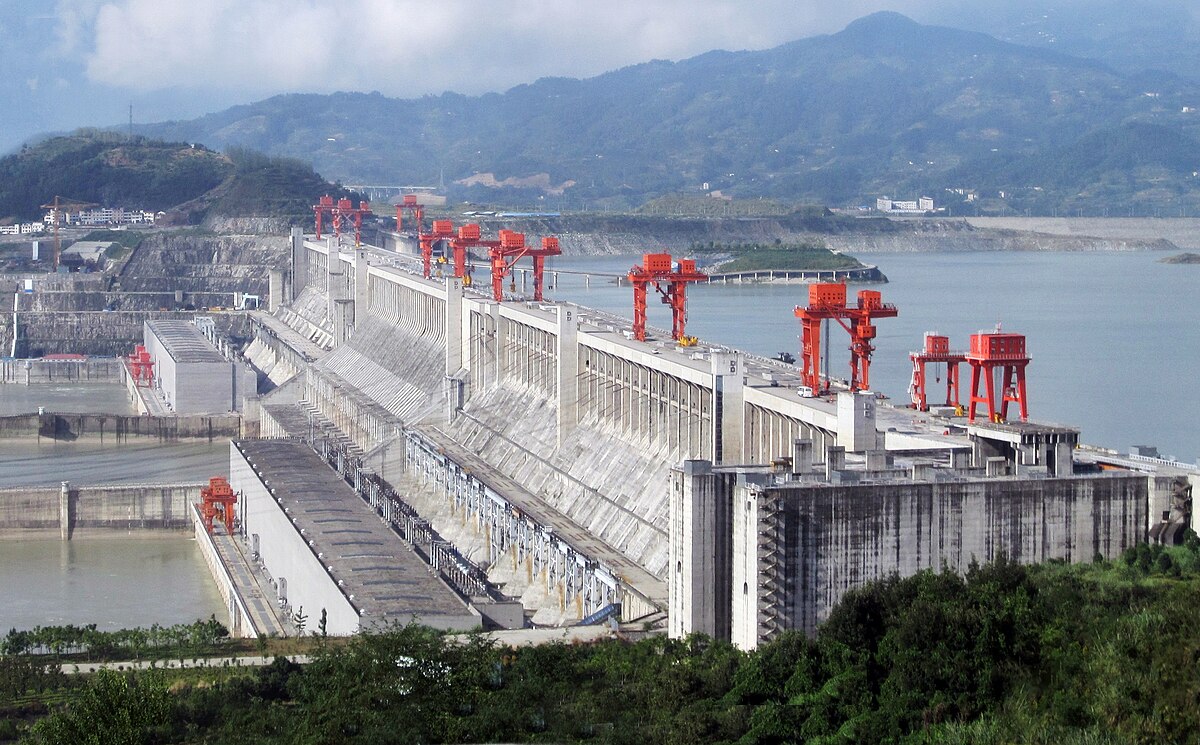
The 20th century saw massive federal involvement in the US, leading to the construction of colossal projects like the Hoover Dam (1928) and the Grand Coulee Dam (1942). Internationally, the Three Gorges Dam in China (22.5 GW) and the Itaipu Dam (14 GW) stand as modern marvels of engineering, showcasing the sheer scale hydropower can achieve.
How Hydropower Plants Generate Electricity
Most hydroelectric power is generated by converting the potential energy of dammed water into mechanical energy, which then drives a turbine and generator. The amount of power extracted depends on two factors: the volume of water and the “head”—the difference in height between the water source (reservoir) and the outflow.
Types of Hydroelectric Schemes
- Conventional (Reservoir) Hydro: Utilizes a dam and reservoir to control water flow, offering flexibility to generate power on demand.
- Pumped-Storage Hydro (PSH): This is primarily a storage solution, not an energy source. Excess grid generation pumps water into a high-elevation reservoir. When demand spikes, the water is released back through a turbine. PSH accounts for nearly 85% of the world’s grid energy storage capacity.
- Run-of-the-River: These stations have small or no reservoir capacity, using only the natural flow of the river at that moment. This approach minimizes environmental impact but limits generation flexibility.
- Tidal Power: A specialized form of hydro that uses the predictable rise and fall of ocean tides. While highly predictable, suitable locations are geographically limited.
- Conduit Hydroelectricity: Uses existing water pipelines, tunnels, or canals primarily built for water delivery (like public water supply) to generate electricity.
Classification by Scale: From Gigawatts to Phone Chargers
Hydropower plants are typically classified by their capacity, ranging from multi-gigawatt facilities to installations serving single homes:
Large Hydro Power (LHP)
While definitions vary by country, any plant generating 50 MW or more is generally considered LHP. These massive facilities, such as the Grand Coulee Dam, often have capacities exceeding the largest nuclear power stations and are integrated into national grids. Large hydro complexes often serve multiple purposes, including flood control and irrigation.
Small Hydro Power (SHP)
Small hydro projects typically have a generating capacity up to 10 MW (though this threshold can stretch to 30 MW in some regions). SHP often minimizes civil construction and reservoir size, leading to a significantly lower environmental footprint compared to LHP. They can serve local communities or be connected to the main grid.
Micro and Pico Hydro
- Micro Hydro (Up to 100 kW): Ideal for powering isolated homes or small communities in developing nations. They are an economical source of energy that complements solar systems, as water flow is often highest during winter months when solar energy is lowest.
- Pico Hydro (Under 5 kW): Used in very small, remote communities, often generating just enough power for basic needs like a few lights and phone charging. These setups are usually run-of-the-river.
Environmental and Developmental Considerations
While hydropower is praised for its low-carbon output once operational, the construction phase can pose significant challenges. Large hydroelectric complexes may lead to the loss of arable land, require population displacement, and disrupt the natural ecology of the river systems, affecting habitats and sedimentation patterns.
However, modern hydropower management aims to mitigate these impacts, and continued development is essential. The International Energy Agency (IEA) stresses that while many countries have maximized their conventional hydro potential, efforts are needed globally to accelerate development and modernize existing facilities to meet climate change goals.
Reference: Inspired by content from https://en.wikipedia.org/wiki/Hydroelectricity.