
🤖 AI Expert Verdict
Solar power converts sunlight into electricity using either photovoltaics (PV) directly or concentrated solar power (CSP) indirectly. PV systems, which rely on the photovoltaic effect, have become the most cost-effective source of new electricity generation globally, contributing 7% of the world's electricity in 2024. Advancements include crystalline silicon cells, emerging perovskite technology, and large-scale utility solar farms.
- Lowest Levelized Cost of Electricity (LCOE) for new installations alongside onshore wind.
- Rapidly increasing global capacity, doubling approximately every three years.
- Reduces reliance on fossil fuels, aiding climate change mitigation and energy security.
- Versatile deployment options (rooftop, utility-scale, floating, agrivoltaics).
- Technological advancements like perovskite cells promise higher efficiency and lower production costs.
The Sun’s Power: Understanding Solar Energy and Its Global Impact
Solar power, often referred to as solar electricity, represents the conversion of energy harnessed from sunlight directly into usable electricity. This revolutionary shift relies primarily on two main methods: photovoltaics (PV) and concentrated solar power (CSP). Since its early development, solar energy has evolved from a niche application for calculators and remote homes into a dominant force in the global energy market, becoming one of the most cost-effective sources of new generation capacity.
How Does Solar Power Work?
The core of solar energy lies in leveraging the sun’s light and heat to produce an electric current.
Photovoltaics (PV): The Modern Standard
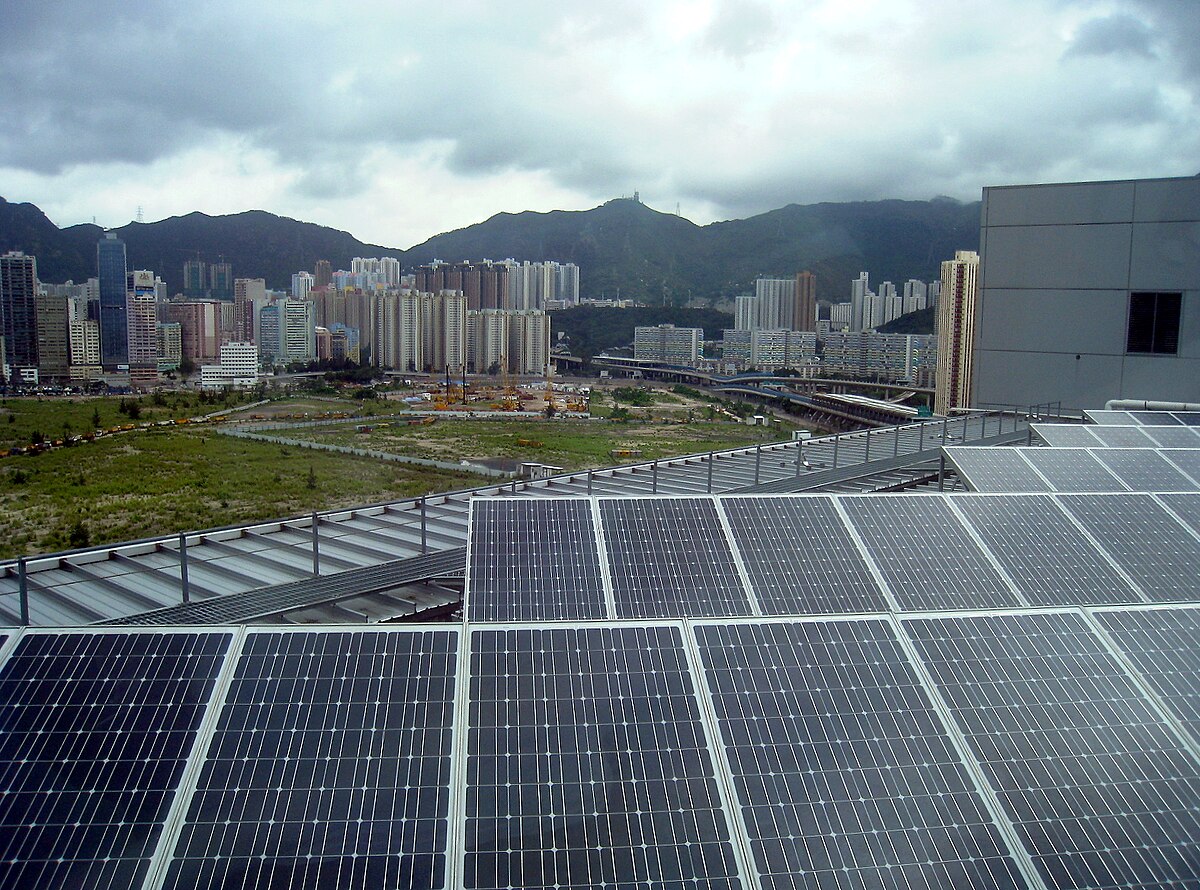
Photovoltaic systems utilize the photovoltaic effect, where materials convert light directly into an electric current. Solar panels, typically composed of connected solar cells, produce direct current (DC) power which is then converted to alternating current (AC) using inverters for practical use in homes and grids. Over 90% of the current market uses crystalline silicon technology, a breakthrough dating back to the silicon solar cell developed in 1954.
PV systems offer immense versatility. Many residential systems are grid-connected, but stand-alone power systems—often coupled with batteries—are crucial for remote applications, ensuring power availability during the night or periods of low sunlight. Innovative configurations like floating solar farms, solar canopies over parking lots, and vertical agrivoltaics (combining energy generation with crop growth) are constantly expanding the potential uses of PV.
The Future of Cells: Thin-Film and Perovskite
While silicon dominates, research continues into next-generation solar cells. Thin-film solar cells use thin layers of materials like cadmium telluride (CdTe) or copper indium gallium diselenide (CIGS) on a substrate. Even more rapidly advancing are perovskite solar cells (PSCs). Although they are cheaper and simpler to manufacture, PSCs currently face challenges related to long-term stability and potential toxicity if lead is used in their composition.
Concentrated Solar Power (CSP)
Concentrated Solar Power (CSP) uses lenses or mirrors combined with solar tracking systems to focus a large area of sunlight onto a hot spot. This intense heat is then used to drive conventional steam-driven turbines to generate electricity. While CSP was developed early, its levelized cost of electricity (LCOE) remains significantly higher—often over twice that of PV—meaning it currently accounts for less than 1% of total solar generation capacity.
The Economics of Sunshine: Cost and Capacity
Solar power is not just an environmental solution; it is a financial winner. Along with onshore wind power, utility-scale solar now boasts the cheapest levelised cost of electricity (LCOE) for new installations in most countries. This cost effectiveness has driven explosive global growth, with grid-connected solar PV capacity and production doubling approximately every three years.
As of 2024, solar power contributes 7% of global electricity, adding twice as much new capacity as coal. China is a massive leader, housing about half of the world’s solar power capacity. However, the adoption is widespread, with millions of rooftop installations complementing gigawatt-scale power stations globally.
History and Evolution of Solar Technology
The quest for solar power dates back to the 19th century, with Charles Fritts constructing the world’s first rooftop PV array in 1884. However, development stalled in the early 20th century due to the increasing availability and economy of coal and petroleum.
A critical turning point came in the 1950s with the creation of the silicon solar cell at Bell Labs. While early cells were prohibitively expensive, the 1973 oil embargo and the subsequent energy crisis brought renewed global focus and funding to renewable research. Deployment strategies, including Japan’s Sunshine Program and later Europe’s adoption of feed-in tariffs, secured investment and spurred rapid growth.
The center of solar manufacturing and deployment has since shifted dramatically, with Chinese manufacturers becoming the largest producers globally. Despite price volatility during the 2021–2022 global energy crisis, utility-scale solar remained the least expensive energy source in many regions.
The Future of Solar: Hybrid Systems and Scale
Limiting climate change requires substantially more low-carbon power, and solar is positioned to lead this effort. To manage the inherent variability of sunlight (intermittency), hybrid systems that combine solar with energy storage or other generation methods are becoming vital.
Hybrid approaches often integrate solar with hydro, wind, or large-scale battery systems to smooth power fluctuations and meet demand. Placing solar arrays on or around existing hydro reservoirs is particularly efficient, leveraging existing power infrastructure and the flexibility of hydropower.
Utility-scale photovoltaic power stations, or solar farms, now account for about half of all installed capacity. Forecasts indicate that solar will surpass hydropower to become the largest source of renewable power before the end of the 2020s, cementing its role as a foundation for future energy security and a decarbonized global economy.
Reference: Inspired by content from https://en.wikipedia.org/wiki/Solar_power.