🤖 AI Expert Verdict
Solar power converts energy from the sun into electricity or heat using solar panels. Photovoltaic (PV) cells, typically made of silicon, absorb photons from sunlight to release electrons, creating a DC electric current. An inverter then converts this DC into AC electricity for household use. Solar power is a renewable, infinite energy source with a low and decreasing carbon footprint.
- Solar power is a renewable and infinite energy source.
- It creates no harmful greenhouse gas emissions.
- Panels typically last for over 25 years.
- The carbon footprint is small and continues to shrink due to recycling efforts.
Solar Power Explained: How Does Sun Energy Become Electricity?
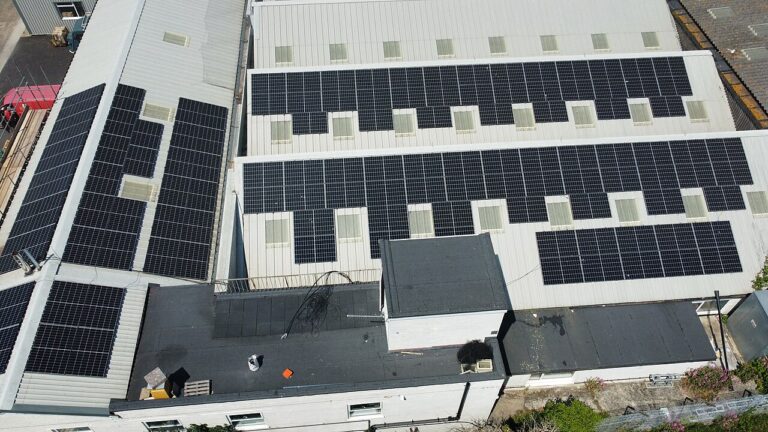
Solar power changes energy from the sun into usable power. We get two main forms of energy from the sun: electricity and heat. Solar panels generate both forms. These panels vary greatly in size. They range from small residential rooftops to huge solar farms.
Solar power is a truly renewable and endless energy source. It creates no harmful greenhouse gas emissions. Energy releases as long as the sun shines. Solar panels already have a small carbon footprint. They typically last for over 25 years. Recycling materials for panels continues to increase. This helps the carbon footprint shrink even further.
The History of Solar Energy
Humans first used solar energy in the 7th century B.C. People lit fires using sunlight and reflective objects. Later, Greeks and Romans used mirrors to light torches for rituals. French physicist Edmond Becquerel made a key discovery in 1839. At age 19, he found the photovoltaic (PV) effect. He noted his metal electrode cell produced more electricity in light.
PV technology was fully born in 1954. Daryl Chapin, Calvin Fuller, and Gerald Pearson developed the silicon PV cell at Bell Labs. This was the first solar cell capable of running everyday electrical equipment. Today, solar energy powers satellites and orbiting spacecraft.
How PV Panels Generate Electricity
Most solar panels use silicon or a similar semiconductor material. This material sits inside a metal frame with a glass casing. Sunlight hits the panel as small packets of energy called photons. The photons release electrons from the material. This process produces an electric charge. This PV charge creates a direct current (DC). Wiring in the panels captures this DC electricity.
An inverter then converts DC electricity into alternating current (AC). AC is the power type you use in standard wall sockets.
Solar PV Versus Solar Thermal
Solar PV panels create electricity, as described above. Solar thermal panels generate heat. Both systems use the sun as an energy source. However, the technology for each system differs. Solar PV relies on the photovoltaic effect. Light impacts a semiconductor like silicon to release an electron. Solar thermal is less complex. It simply uses sunlight to directly heat water or other fluids.
For home use, solar thermal panels install on the roof. They heat water stored in a hot water cylinder. This system provides hot water and heating for the house. Power stations can also use solar thermal on a larger scale.
Solar Farms and Weather Performance
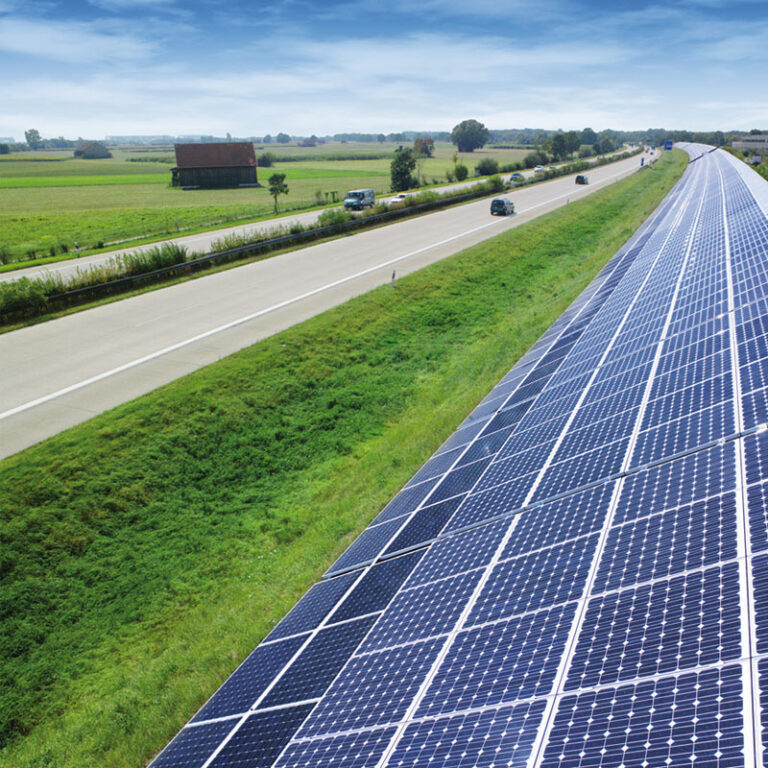
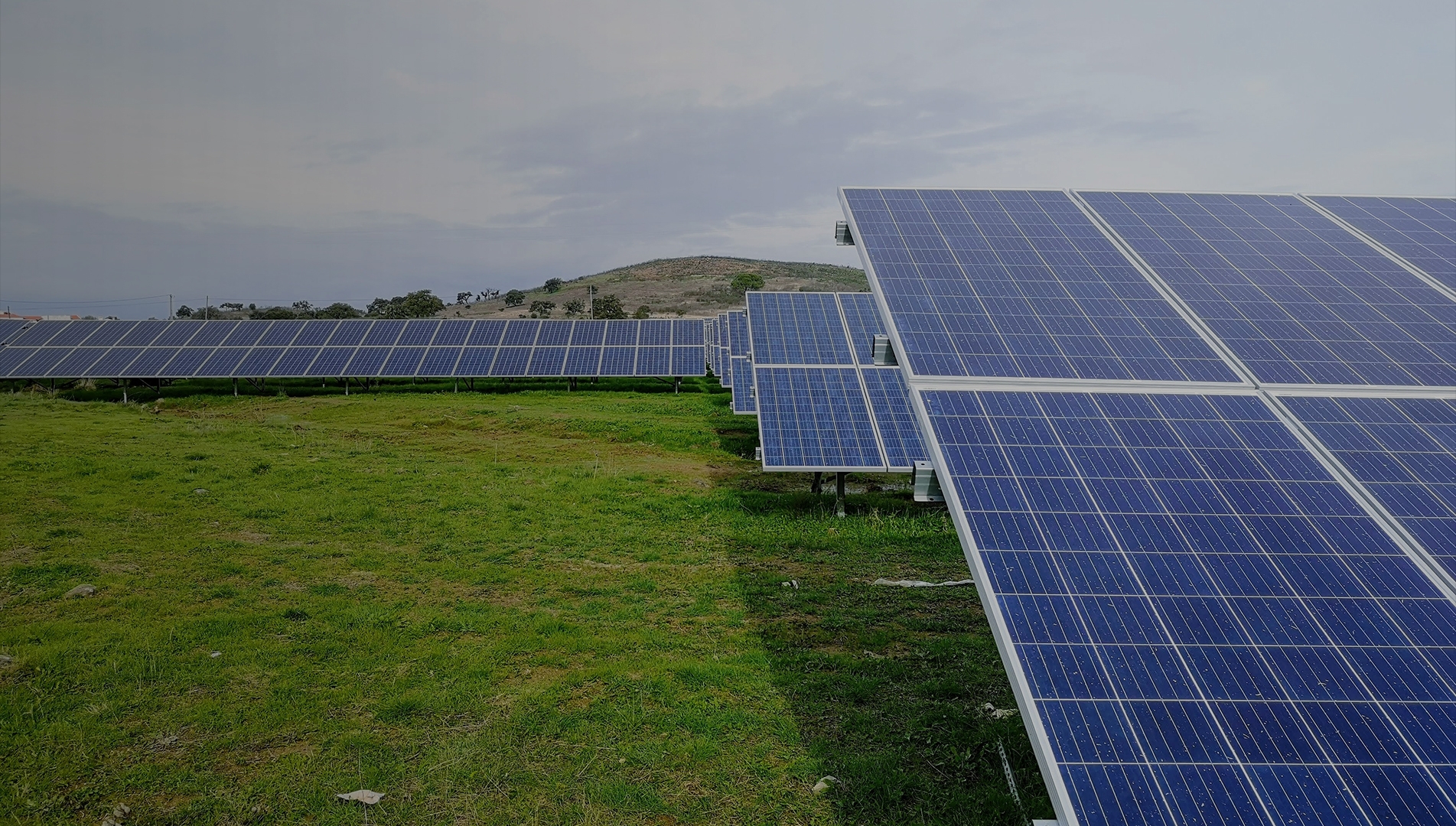
Solar farms are also known as solar parks or fields. They are large areas of land covered by interconnected solar panels. They harvest vast amounts of solar energy at once. Solar farms feed energy directly into the power grid. Individual solar panels usually power only one home or building.
Solar power only needs some level of daylight to work. It can generate power even on cloudy days. The rate of electricity generation does vary, though. It depends on the amount of direct sunlight. Panel quality, size, number, and location also affect performance.
Global Leaders in Solar Power
China was the largest producer of solar electricity in 2022. The US ranks second globally. Japan, Germany, and India follow. Both the UK and US governments plan to decarbonize electricity systems by 2035. Renewable sources like solar power play a huge role in this goal.
The UK’s first transmission-connected solar farm started in May 2023. It feeds electricity directly into the UK’s main transmission network. This allows power transport over greater distances. This new solar plant near Bristol expects to generate over 73,000 MWh yearly. This output powers more than 17,300 homes. It displaces 20,500 tons of CO2 annually. The UK aims for a five-fold increase in solar generation by 2035. They plan for up to 70 GW installed capacity. This is enough power for about 20 million homes.
The US Department of Energy’s Solar Futures Study also plans a zero-carbon grid. The study suggests solar could power 40% of US electricity by 2035. The Biden-Harris administration committed $82 million in 2023. This funds technologies to better integrate solar into the grid. The investment will boost domestic manufacturing and recycling. This strengthens the US clean energy grid.
We encourage you to explore clean energy solutions today. Shop Our Products now. Learn more about sustainable practices when you Read Our Blog.
Reference: Inspired by content from https://www.nationalgrid.com/stories/energy-explained/how-does-solar-power-work.