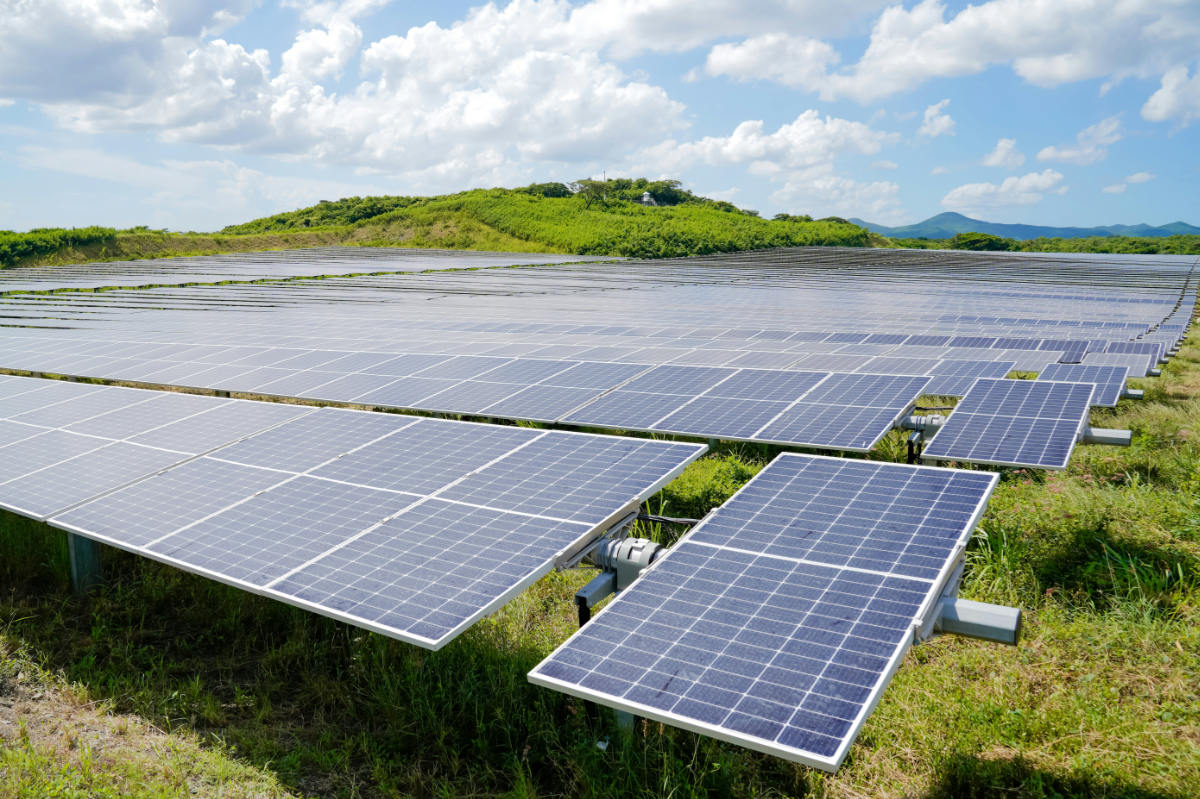
What Is Solar Power?
Solar power is green energy. It is clean, cheap, and renewable. Sunlight hits human-made solar cells. These cells change sunlight into electricity. The supply of solar power is endless. Sunlight reaches every country on Earth. Solar energy also fights pollution. It stops harmful greenhouse gases from fossil fuels.
Solar power is growing fast around the world. By 2023, solar arrays provided about 6.5% of the world’s electricity. This contribution keeps rising. SolarPower Europe reported huge growth. Global solar capacity doubled in three years starting in 2018.
The Amazing Rate of Growth
The world hit one Terawatt capacity in April 2022. By 2024, capacity doubled again to two Terawatts. This shows amazing growth speed. Solar power can truly change our planet. The World Bank reports big potential.
Off-grid solar could bring power to 400 million people by 2030. Many people would get electricity for the first time. Almost every country can generate all the power it needs. They use solar facilities inside their own borders.
Solar Capacity in the U.S.
The U.S. has massive solar capacity. It currently has 139,205 MW online. This powers over 21 million households. Solar accounted for 54% of new U.S. electricity generation in 2023. California leads, generating 28.2% of its power from solar. If you want to support this transition, you can browse products that help reduce your footprint.
How Solar Systems Work
Solar energy uses two main systems. These are photovoltaic (PV) and concentrated solar power (CSP). PV systems are much more common.
Photovoltaic (PV) Systems
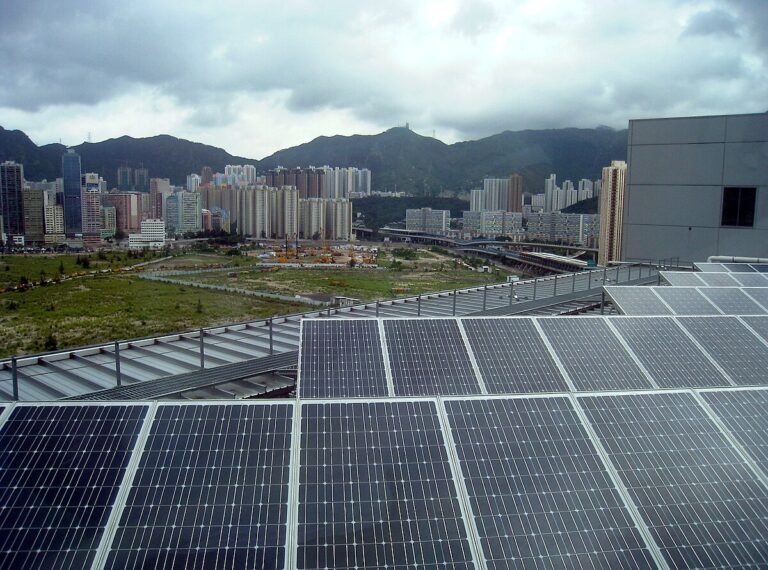
PV systems create electricity directly from sunlight. Sunlight hits the solar cell. Photons transfer energy to electrons inside the silicon. This excites the electrons. It makes an electrical current flow. You can use this current right away. You can also store it in a battery. Or, you can send it to the electrical grid. Technology keeps improving cell efficiency.
Concentrated Solar Power (CSP)
CSP is the second main method. CSP plants create electricity indirectly. They use solar thermal collectors. These collectors focus solar energy. This heat generates steam. The steam drives a turbine to make electricity. CSP generates far less energy globally. PV systems generate 843,086 MW. CSP installations only generate 6,387 MW.
Global Leaders in Solar Power
China leads the world in installed solar capacity. China added over 60% of new global PV capacity in 2023. This is according to the International Energy Agency.
As of 2023, China has 609,921 MW of capacity. This accounts for about 3% of its total electricity. The United States follows China. The U.S. has 139,205 MW. Japan is third at 89,077 MW. Capacity is just one measure. Solar penetration is another key measure. This shows solar’s percentage of a country’s total energy use. You can view our blog for more detailed statistics and analysis on global energy transition efforts.
A History of Lower Costs
Modern solar cells started in 1954. Bell Labs introduced the first usable PV device. The 1970s energy crisis sparked interest. People wanted solar power for homes and businesses. Manufacturing costs were too high initially.
Now, solar cell costs have dropped hugely. Residential system costs fell over 64% in the past decade. Commercial costs fell 69%. Utility-scale costs dropped 82%. This makes solar affordable for everyone today.
Reference: Inspired by content from https://worldpopulationreview.com/country-rankings/solar-power-by-country.