🤖 AI Expert Verdict
Offshore wind power generates electricity using turbines installed in bodies of water, usually the sea. It benefits from higher wind speeds and less obstruction than onshore sites, leading to greater power output. While historically more expensive, costs have dropped significantly, making it competitive with conventional sources in some regions.
- Higher, more consistent wind speeds
- Higher capacity factor than onshore wind
- Less controversial and visual impact than onshore
- Can be located near coastal load centers (cities)
Wind Power: The Future of Offshore Energy
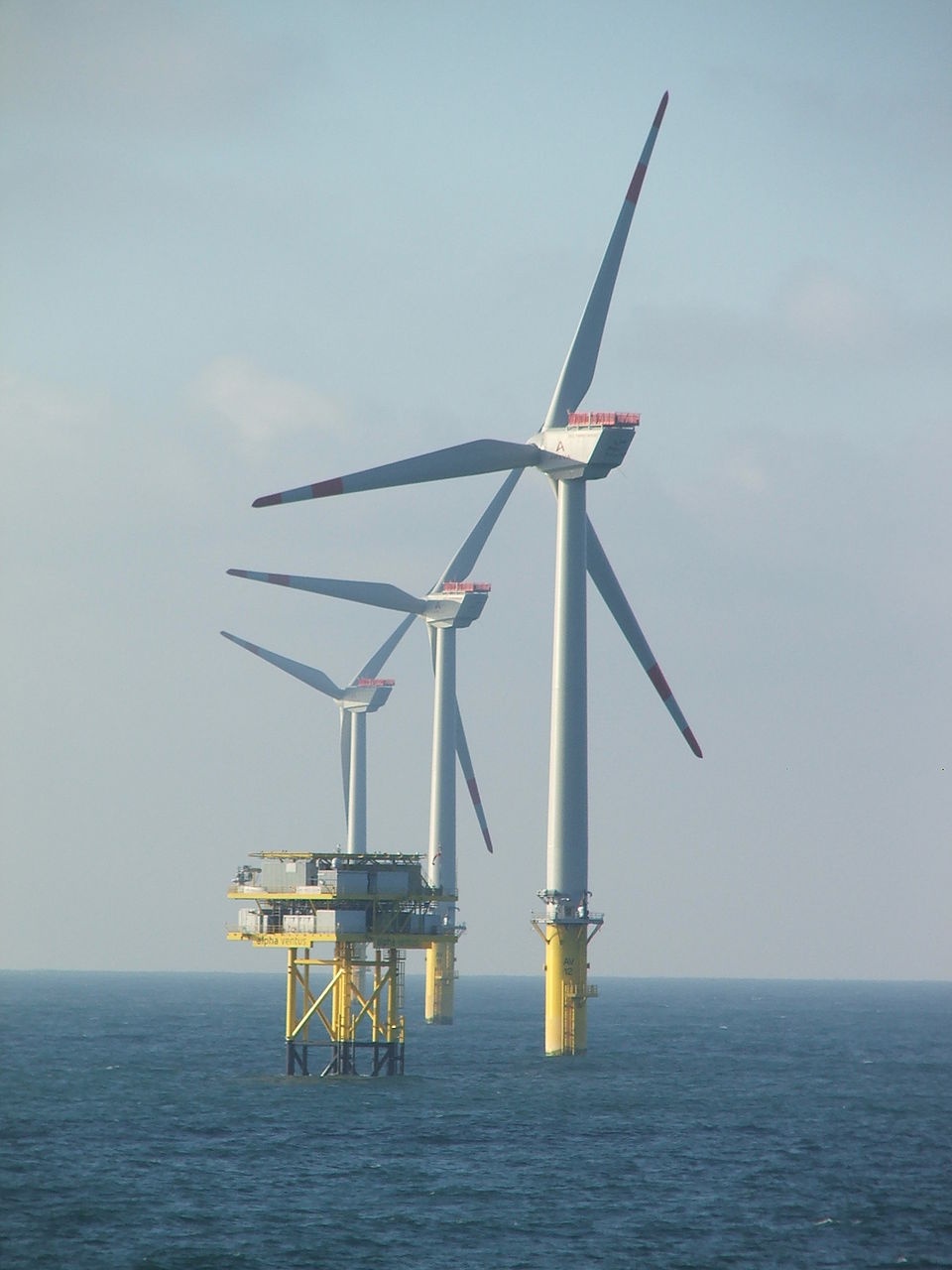
Offshore wind power generates electricity. Wind farms sit in bodies of water, usually the sea. Offshore sites lack the obstacles found on land. This means higher wind speeds occur out at sea. Higher speeds increase the power generated per turbine. Offshore wind farms also face less controversy. They impact people and landscapes much less than onshore sites.
The term “offshore” includes more than just the deep ocean. It covers inshore water areas too. These include lakes, fjords, and sheltered coastal spots. Most farms use fixed-foundation wind turbines. These work best in relatively shallow water. Floating wind turbines represent newer technology. They open up opportunities in much deeper waters.
Global Growth and Key Players
Global offshore wind capacity grew strongly. Total worldwide capacity reached 64.3 gigawatts (GW) in 2022. China is the current world leader. It holds 49% of all installed capacity. The United Kingdom accounts for 22%. Germany contributes 13%. These three nations manage over 75% of global capacity. The UK operates the massive Hornsea Project Two. This farm generates 1.4 GW of power. Denmark was an early pioneer. It installed the first offshore wind farm (Vindeby) in 1991.
Turbine size continues to grow offshore. In 2009, turbines averaged about 3 MW. Today’s turbines are much larger. Larger sizes favor better economics. Installation costs decrease per unit of energy produced. Offshore farms do not face land restrictions. They also avoid transportation size limits.
Cost Trends and Efficiency
Offshore costs were historically high. They have since decreased dramatically. Costs fell to $78 per megawatt-hour (MWh) by 2019. Offshore wind became price-competitive in Europe by 2017. Generation grew more than 30% per year during the 2010s. Offshore sites offer a significant advantage. They provide a much higher capacity factor. This means installations produce more electricity consistently. Stronger, more reliable wind usually exists offshore.
However, high costs still affect some markets. US projects cost around $4,000 per kilowatt (kW) to build. Onshore wind farms cost only about $1,363 per kW. Inflation continues to challenge major US projects. We must support this developing energy source now.
Challenges and Installation Difficulties
Offshore installations carry many disadvantages. Installation is more expensive overall. Access becomes difficult for workers. Units operate in much harsher conditions. Salt water and spray cause serious corrosion. This negatively affects the service life of equipment. It also drives up maintenance and repair costs. Operations become time-consuming and dangerous.
The turbine cost is only a fraction of the total. Infrastructure, maintenance, and oversight add up quickly. Costs increase rapidly with water depth. They also rise with distance from the shore. The industry is still maturing globally. Supply bottlenecks existed as recently as 2017. The industry needs full industrialization to solve this issue.
Looking Ahead
Experts predict massive future growth. Worldwide capacity might reach 1550 GW by 2050. This represents an 80-fold increase since 2017. New technologies help realize this potential. Floating foundation technology looks very promising. It unlocks wind potential in deeper ocean areas.
Offshore wind matches electricity demand times perfectly. Offshore breezes are strong in the afternoon. People use the most electricity at this time. Turbines can be placed near coastal load centers. This eliminates the need for new, long transmission lines. The European Investment Bank strongly supports this industry. They co-finance many key projects. This investment helps tackle climate change. Read Our Blog to learn more about green energy solutions. If you want to invest in your own sustainable future, you can Shop Our Products now.
Reference: Inspired by content from https://en.wikipedia.org/wiki/Offshore_wind_power.