🤖 AI Expert Verdict
Hydropower, also known as water power, uses the kinetic or potential energy of falling or fast-running water to produce electricity or power machines. It is a sustainable energy source used primarily for hydroelectric power generation, including large dam-and-reservoir systems and smaller run-of-river plants. While a low-carbon alternative to fossil fuels, hydropower projects can negatively impact local ecosystems and displace communities.
- Does not directly produce carbon dioxide.
- Provides a relatively consistent source of power.
- Major source of global renewable electricity (15% globally).
- Offers energy storage capability (pumped-storage).
Hydropower: Using Water to Create Clean Energy
Hydropower uses falling or fast-running water. People call it water power or water energy. It creates electricity or powers machines. We convert the water’s kinetic or potential energy into power. Hydropower offers a sustainable way to produce energy. Today, we mainly use it for hydroelectric power generation. We also use it in pumped-storage hydroelectricity for energy storage.
Hydropower is a great alternative to fossil fuels. It does not directly produce carbon dioxide. It offers a consistent source of power. However, hydropower presents challenges. It has economic, social, and environmental downsides. You also need a strong water source like a river. Global institutions like the World Bank promote hydropower. They see it as a low-carbon way to support economic growth.
A History of Water Power
People have used water power since ancient times. Watermills served as a renewable energy source. They helped with irrigation and operating mechanical devices. These devices included gristmills, sawmills, and textile mills. Some systems, like a trompe, created compressed air from falling water. This air powered other distant machinery. You can find many products for sustainable living when you Shop Our Products.
How Water Creates Power
We evaluate a hydropower resource by its available power. Power depends on the hydraulic head and volumetric flow rate. The “head” means the energy per unit weight of water. Static head relates to the height the water falls. Dynamic head relates to the speed of moving water. Water does work equal to its weight multiplied by the head. Engineers use complex calculations to ensure efficiency. They compare the electricity produced against the water’s potential energy.
Some hydropower systems, like water wheels, use flowing water without changing its height. These capture the kinetic energy of the flow. Stream flow changes a lot with the seasons. Hydropower site development needs flow records, sometimes spanning decades. Dams and reservoirs make power more dependable. They smooth out seasonal changes in water flow.
Types of Hydropower Plants
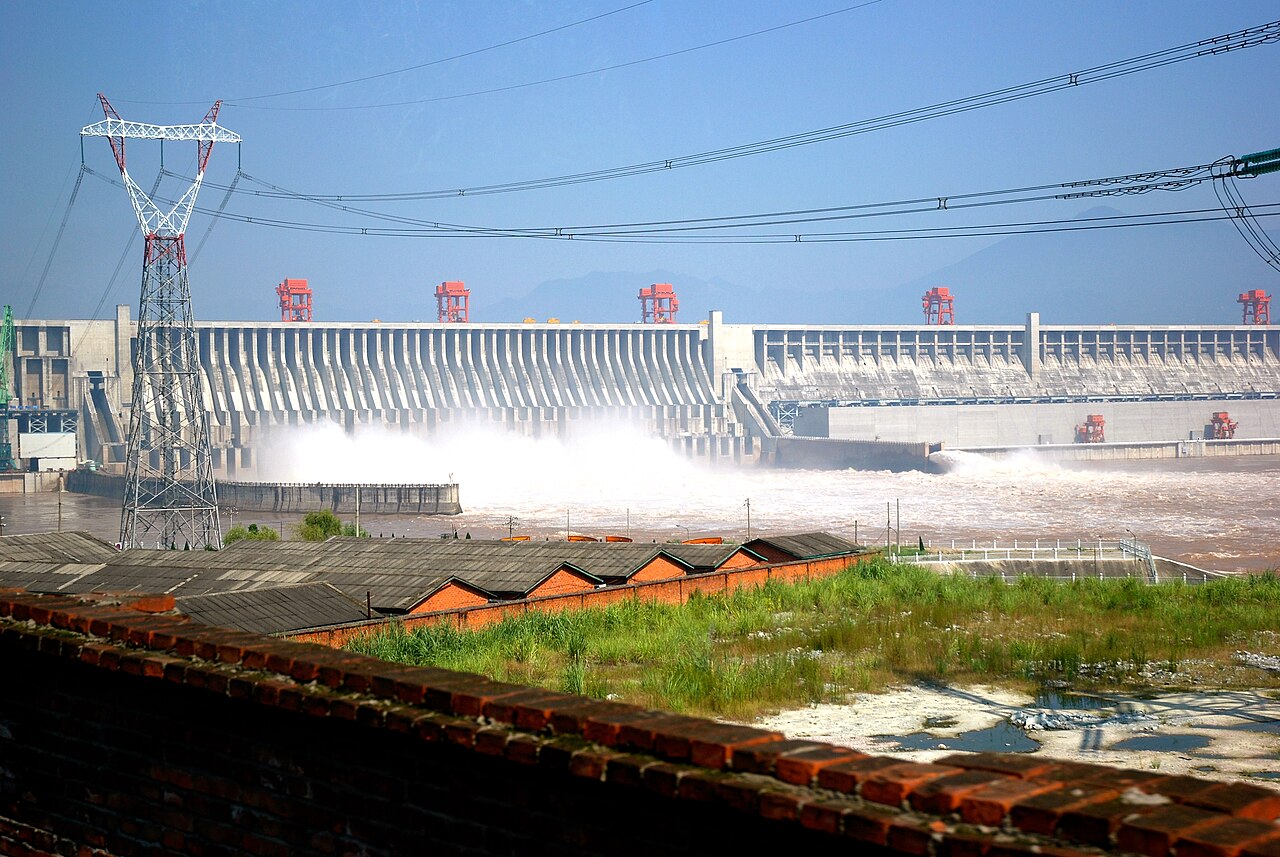
Hydroelectricity is the biggest use of hydropower. It generates about 15% of global electricity. Over 35 countries get at least half their electricity this way. We convert the water’s potential or kinetic energy into electrical energy.
One common type involves a dam and a reservoir. The reservoir stores water on demand. The water flows through channels and spins a turbine. This turbine connects to a generator. The generator then produces electricity.
Another type is the run-of-river plant. This uses a barrage to control flow without a large reservoir. Run-of-river plants need continuous water flow. Their ability to provide on-demand power is lower. They mainly use the kinetic energy of flowing water. We also use pumped-storage systems. Water pumps uphill into reservoirs when demand is low. We release it for generation when demand is high.
Understanding the Drawbacks
Hydropower also has major disadvantages. Dam failures can cause catastrophic effects. This includes property loss and pollution. Dams negatively impact river ecosystems. They block some animals from traveling upstream. They cool and de-oxygenate water released downstream. River deltas lose sediment because dams prevent restoration. Large reservoirs flood huge land areas. Rotting underwater plants release greenhouse gases. Hydropower actually produces methane gas. This gas results from organic matter accumulating and decomposing underwater.
Construction displaces people living near a plant site. Reservoir bank instability can also displace residents. Cultural or religious sites may also stop construction plans. You can learn more about renewable resources when you Read Our Blog.
Other Uses of Water Power
A watermill uses hydropower to drive a mechanical process. Mills grind flour, cut lumber, or make paper and textiles. They use a water wheel or turbine for power. Water balance railways use the weight of water to move carriages.
Water flow can even generate compressed air without moving parts. A facility in Ontario used this principle in 1910. Other forms of hydro generation exist. Tidal stream generators use ocean energy. Scientists also research “rain power.” They test methods using the impact energy of raindrops.
Reference: Inspired by content from https://en.wikipedia.org/wiki/Hydropower.