
🤖 AI Expert Verdict
Domestic battery storage systems allow UK homeowners to store cheap electricity for later use, reducing reliance on the grid and maximizing solar energy self-consumption. Savings depend on the setup (with or without solar), but systems can cut energy bills by up to 75% when utilizing time-of-use tariffs. Costs generally range from £5,500 to £7,500, with VAT removed since February 2024.
- Maximize solar self-consumption
- Utilize cheap time-of-use tariffs
- Reduce grid dependence
- Substantial energy bill savings (up to 75%)
Domestic battery storage systems are now very popular in the UK. The energy crisis made homeowners look for ways to reduce bills. They also want less dependence on the national grid. Battery storage systems help homes with solar panels maximize energy use. They store excess solar energy for later. Even homes without solar panels can benefit. They use time-of-use tariffs. They store cheap energy and use it during peak times. How much money can you save with battery storage? How long does it take to recover your costs? This guide provides a full resource for UK homeowners. We cover costs, potential savings, and common questions.
What is Domestic Battery Storage?
Domestic battery storage systems save electricity for later use. This gives homes better control over their energy use. You decide when to use energy during the day or night. You also control when you draw from the grid. Homes with battery storage avoid high costs. These high costs happen during peak electricity demand. Instead, they use time-of-use tariffs like Octopus Go. Homes with solar or wind turbines store more generated energy. They use this stored power in the evenings. Batteries offer a constant and reliable energy reserve. You can still charge your battery using grid electricity. This works even when renewable energy generation is low.
Understanding Home Battery Types
The chemicals they use make up the biggest difference between batteries. For domestic storage, two types are most common. These are lithium-ion batteries and lead-acid batteries. Other types also exist. We outline the most common types below.
Lithium-ion Batteries: The Gold Standard
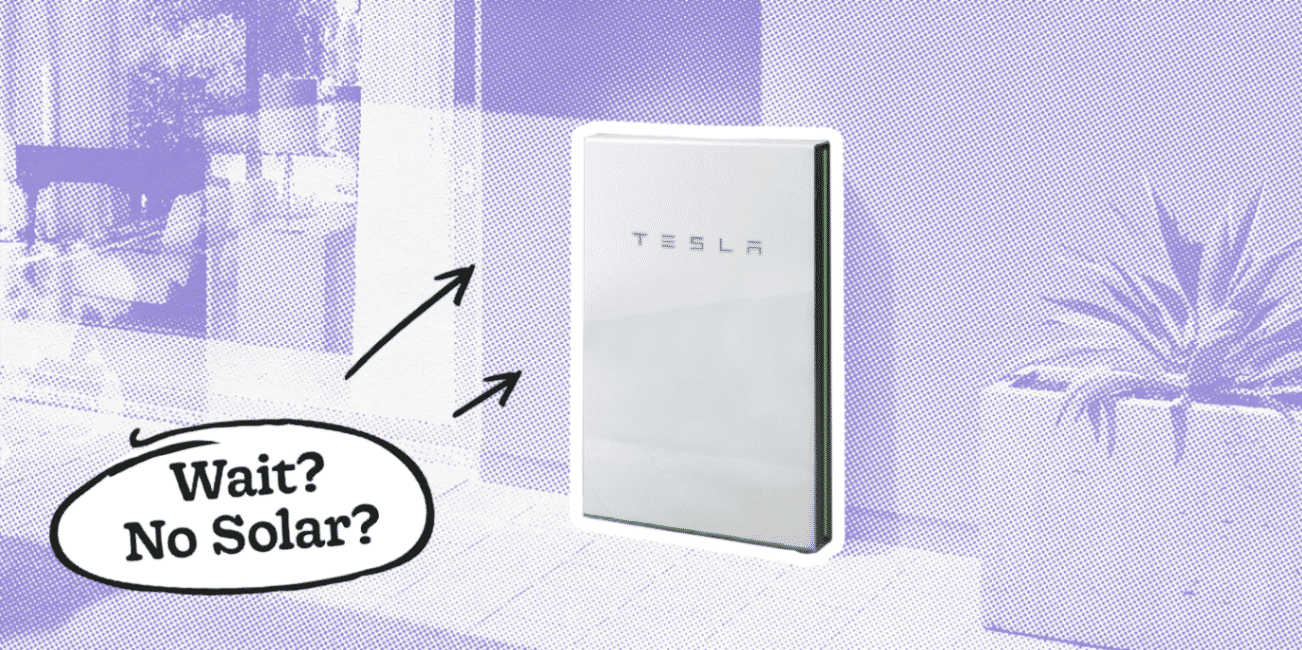
Lithium-ion batteries are the best choice for home storage. They offer high energy density and a long lifespan. They also provide high efficiency. This makes them the most popular choice for domestic systems. The Tesla Powerwall uses this technology. Lithium-ion batteries are compact and lightweight. They offer faster charging speeds. They also provide higher storage capacity per square centimeter. They cost more initially. However, they come with longer warranties. This gives you better long-term value than lead-acid options. A typical 4kWh lithium-ion product costs about £4,000. This is double the cost of a lead-acid battery. Yet, a 4kWh lithium-ion battery offers about 4,000 lifecycles. This means a lifespan of around 10-11 years. They also feature a Depth of Discharge (DoD) of 90%. The cost per kWh per cycle is roughly £0.28.
Lead-acid Batteries: The Budget Option
Lead-acid batteries are also a popular choice. Lithium-ion batteries are starting to outperform them. Lead-acid batteries cost less, averaging £2,000. This makes them good for households with tighter budgets. They have lower energy density than lithium-ion models. They also offer a shorter lifespan. They are much heavier and larger. These traits make them less efficient. They are more cumbersome for certain installations. However, their lower cost appeals to many consumers. If you are looking to upgrade your home, please Shop Our Products today.
Other Battery Types (Commercial Use Only)
Other battery storage types exist. However, people do not typically use them in homes. They are best for large-scale commercial applications:
- Solid-State Batteries: They offer higher energy density and improved safety. They are still developing and cost more. They suit specialized industrial use.
- Flow Batteries: These store energy in liquid electrolytes. External tanks hold the electrolytes. You can easily scale them by increasing tank size. This makes them ideal for grid storage. They are too big and complex for domestic use.
- Sodium-Sulfur (NaS) Batteries: These have high energy density and long discharge times. People often use them for grid stabilization. High operating temperatures make them unsafe for homes.
Saving Money with Home Battery Storage
Your potential savings depend on your setup. Do you use the battery with solar panels or alone? Both setups offer great savings.
Saving Without Solar Panels
You can achieve large savings without solar panels. Use time-of-use tariffs. Modern smart batteries charge during the night. Energy is less expensive and more abundant then. This green energy costs about three times less than peak daytime rates. Demand is highest during the day. You store this inexpensive energy with your smart battery. You could potentially reduce your energy bill by up to 75%. Battery storage also lets you use flexible energy tariffs. For instance, Octopus Energy offers a Smart Export Guarantee (SEG) rate of 12p per kWh. This is one of the best available rates.
Maximizing Savings with Solar Panels
Households with solar arrays usually consume little energy. They use only 20-35% of the energy they generate. The rest goes back to the grid. Installing a home solar battery changes this. MCS estimates suggest consumption rises to 57-87%. A larger battery could potentially reach 100% consumption. You can also earn money from surplus energy. The Smart Export Guarantee (SEG) handles this. However, this is generally less profitable. SEG pays 3 to 8 pence per kWh. Buying grid electricity costs over 33 pence per kWh. This price difference is huge. You pay up to 11 times more for grid energy. It makes more economic sense to store surplus energy. Storing it in a battery is smarter than exporting it. Using stored energy reduces grid reliance. It provides greater savings, especially during peak pricing.
Determining Required Battery Capacity (kWh)
Solar battery capacity is measured in kilowatt-hours (kWh). This is the total amount of energy they store. Here is a quick reference guide:
Required Capacity with Solar Panels
| Annual Energy Consumption (KWh) | Number of Panels | Battery Capacity Required |
|---|---|---|
| 2500 | 8 | 5-7 KWh |
| 3500 | 10 | 8-10 KWh |
| 5000 | 14 | 11-16 KWh |
Required Capacity Without Solar Panels
| Annual Energy Consumption (KWh) | Battery Capacity Required |
|---|---|
| 2500 | 6-9KWh |
| 3500 | 10-13KWh |
| 5000 | 13KWh – 18KWh |
Home Battery Storage Costs in the UK
System costs change based on several factors. These include needed capacity and chosen manufacturer. Prices generally range between £5,500 and £7,500. We recommend you obtain a tailored quote for accuracy. Check out our latest articles and insights. You can always Read Our Blog for more information.
The UK Government removed VAT on all battery storage systems in February 2024. This change is very encouraging. This policy means a substantial 20% price reduction. This makes these systems much more affordable for homeowners.
Simplified Price Guide Table (June 2024)
| Brand | Model | Capacity (KWh) | Charge/Discharge rate (KW) | Warranty | Price (estimated) | Inbuilt inverter |
|---|---|---|---|---|---|---|
| Tesla | Powerwall 2 | 13.5 | 5 | 10 years | £6995 | Yes |
| Tesla | Powerwall 3 | 13.5 | 11.1 | 10 years | £7395 | Yes |
| Alpha | Smile 5 | 11.4 | 5 | 5 years | £3895 | No |
| Alpha | G5 | 10.1 | 5 | 10 years | £4245 | No |
| Enphase | IQ Battery 5P | 5.0 | 3.24 | 15 years | £2875 | Yes |
| GivEnergy | All In One | 13.5 | 6 | 12 years | £5500 | Yes |
Key Metrics for Selecting a Battery System
Selecting the best system requires checking crucial metrics. Each metric affects performance and longevity. Key parameters to consider include:
- Max AC Power Output: This is the maximum power the battery delivers. It shows the battery’s ability to meet high energy demands. We measure it in watts (W) or kilowatts (kW).
- Charging Capacity: This is the maximum charging rate. It helps you know how fast the battery is ready.
- Depth of Discharge (DoD): DoD is the percentage of total capacity used. A higher DoD means you use more stored energy. This affects efficiency and lifespan.
- Lifecycle (Number of Cycles): This is the total cycles a battery performs. It happens before capacity drops significantly. This metric offers insight into longevity.
- Warranty Period: The length and coverage of the warranty offer peace of mind.
- Cost: Upfront and long-term costs are critical for Return on Investment (ROI).
- Installation Flexibility: Can you mount the battery on a wall? Can you place it on the floor? This impacts system integration.
- Physical Size and Design: Dimensions and aesthetics matter for space constraints.
- Battery Weight: Weight affects installation options and suitable locations.
Tesla and Alpha ESS offer great advancements in battery technology. Tesla is famous for its superior battery chemistry.
Reference: Inspired by content from https://heatable.co.uk/battery-storage/advice/domestic-battery-storage.