
The Essential Guide to Electrical Energy and Renewable Sources
Electrical energy powers the modern world. It results from the flow of electric charge. Electrons typically move through a conductor like a wire. Electrical energy is a secondary energy source. We generate it by converting primary sources. These sources include fossil fuels, nuclear power, wind, and solar energy. Power plants convert these sources into electrical form. This energy runs almost everything we use. It powers homes, factories, and transportation systems.
Understanding the Basics
Electrical energy involves the motion of electric charges. These charges, usually electrons, move within an electric field. It can be stored as potential energy. It can also move as kinetic energy. This energy allows work through electromagnetic interactions. Early observations of static electricity date back to 600 BCE. Michael Faraday established the modern framework in the 1830s. He showed that changing magnetic fields create electric currents. This is electromagnetic induction.
The movement of charge requires voltage. Voltage is the electric potential difference. It drives the charge through a conductor. This transfers energy from one point to another. Electrical energy converts easily into other forms. It becomes heat in heaters. It becomes light in bulbs. It becomes mechanical energy in motors. This versatility makes it very useful. It always follows the law of energy conservation. Energy transforms but is never lost.
Power, Work, and Measurement
Electrical energy measures the total work done by current over time. Electric power is the rate of energy transfer. The formula is Energy = Power × time (E = P × t). Power equals voltage times current (P = V × I). This formula quantifies instantaneous electrical work. Energy accumulates as power continues. This principle applies to batteries and generators.
Work is done by an electric field on moving charges. The work needed to move a charge (q) across a voltage (V) is W = qV. James Prescott Joule proved this relationship. His work in the 1840s confirmed energy equivalence. He measured heat output from resistive wires. This showed efficient conversion between electrical and thermal energy. A lightning bolt releases massive energy. A refrigerator uses much less daily. You can find essential tools and products related to optimizing your energy use when you Shop Our Products.
Primary Sources for Generation
Primary sources provide the initial input for electricity. These include non-renewable and renewable options. Fossil fuels remain major non-renewable sources. These include coal, natural gas, and oil. Extraction involves mining or drilling processes.
The Rise of Renewable Energy
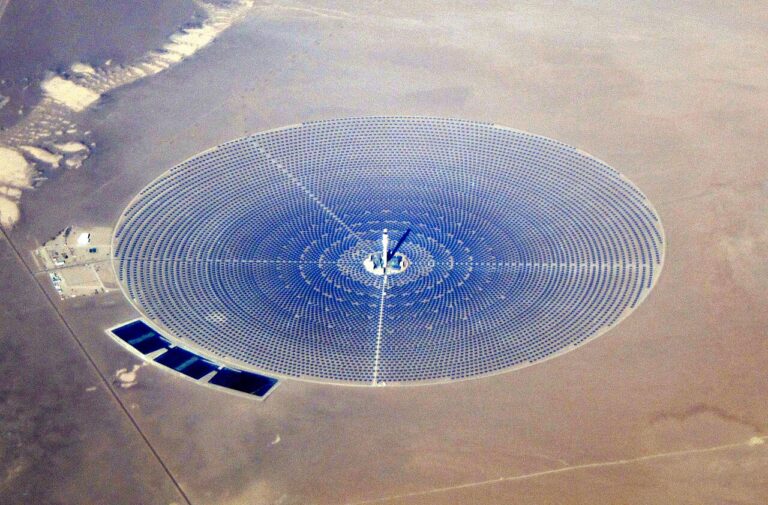
Renewable sources use natural processes. They offer vast, constantly available energy. Solar energy captures light using photovoltaic cells. The Earth receives huge amounts of sunlight continuously. Wind energy captures kinetic energy from air movements. Global wind potential greatly exceeds current needs. Hydropower uses the energy of flowing water. Much economically viable potential remains unused globally. Geothermal energy draws heat from the Earth’s interior. This potential far surpasses global annual energy use. Other sources include nuclear energy and biomass. Nuclear energy comes from atomic fission. Biomass uses organic materials like wood. Tidal energy uses ocean movements caused by gravity.
How Electrical Energy is Generated
Electricity generation mainly uses electromagnetic induction. This process converts mechanical energy into electricity. Faraday’s law governs this conversion. It links magnetic fields and conductors. Changing magnetic flux induces voltage (EMF). Generators use this law to produce Alternating Current (AC).
Most power plants use synchronous alternators. A mechanical input spins a rotor inside a stator. This generates three-phase AC electricity. Thermal generation uses heat to create steam. The steam drives turbines connected to alternators. This is common in coal and nuclear plants. These cycles typically achieve 30% to 40% efficiency. Heat rejection causes most energy loss.
Renewable methods also use electromagnetic induction. Wind turbines use wind to spin blades. These blades turn a generator. Hydropower uses falling water to turn turbines. Photovoltaic (PV) systems are different. They generate electricity directly using semiconductors. If you want to learn more about sustainable practices, Read Our Blog.
Conclusion: The Future of Power
Electrical energy is vital for progress worldwide. Access enables communication and healthcare. Sustainable generation and efficiency are key future challenges. We must focus on cleaner and smarter energy systems.
Reference: Inspired by content from https://grokipedia.com/page/Electrical_energy.