🤖 AI Expert Verdict
A rechargeable battery, also called a storage battery or secondary cell, is an electric battery that users can charge and discharge multiple times. Unlike disposable batteries, rechargeable batteries utilize a reversible electrochemical reaction to store energy. They are composed of one or more electrochemical cells and come in various chemistries, including lithium-ion, nickel-metal hydride, and lead-acid. They offer lower lifetime costs and reduced environmental impact compared to disposable options.
- Lower total cost of ownership compared to disposable options.
- Significantly reduced environmental impact due to reusability.
- Available in many sizes and voltages for interchangeable use.
- Used in critical applications like electric vehicles and grid stabilization.
The Ultimate Guide to Rechargeable Battery Storage
Rechargeable batteries power our modern world. People call them storage batteries or secondary cells. They function as energy accumulators. You can charge, discharge, and recharge these batteries many times. This differs greatly from a disposable, or primary, battery. You discard disposable batteries after one use.
What Is a Rechargeable Battery?
One or more electrochemical cells make up a rechargeable battery. This device accumulates and stores energy. It uses a reversible electrochemical reaction to achieve this. Manufacturers produce these batteries in many sizes. They range from small button cells to large megawatt systems. These large systems help stabilize electrical grids. Diverse materials are necessary for these batteries. Common types include lead-acid, nickel-cadmium (NiCd), and lithium-ion (Li-ion). Also popular are lithium iron phosphate (LiFePO4) and nickel-metal hydride (NiMH).
Cost and Environmental Benefits
Rechargeable batteries usually cost more upfront. However, their total ownership cost is much lower. Users recharge them inexpensively many times. This happens before replacement is necessary. Rechargeable cells greatly reduce environmental impact. Some rechargeable types match disposable sizes and voltages. You can use them interchangeably in many devices. Global research focuses on improving these power sources. Industry leaders want better batteries for the future. You can find excellent options when you Shop Our Products.
Where We Use Storage Batteries
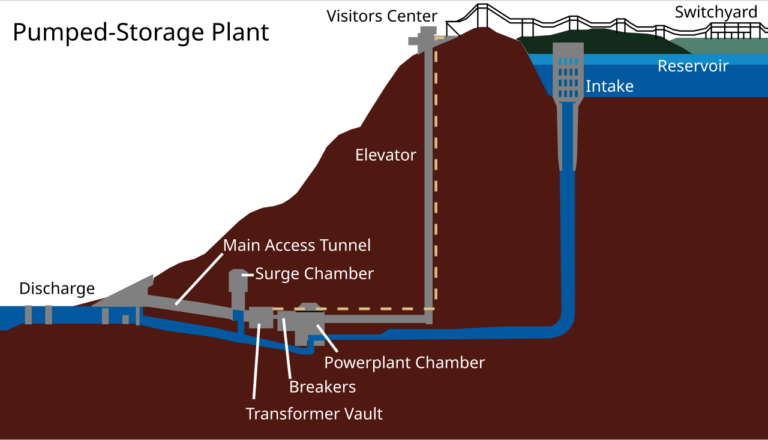
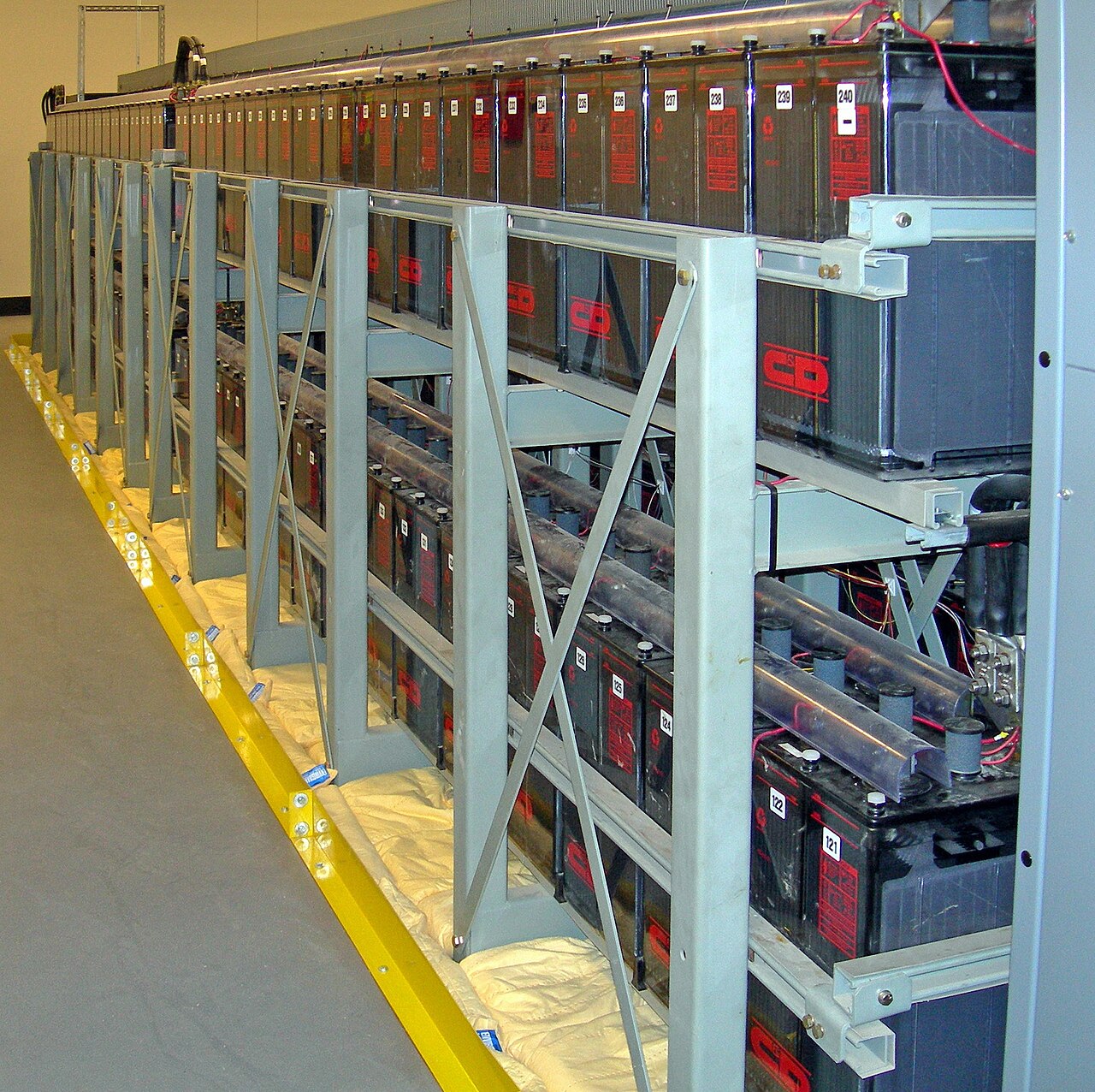
Many devices rely on rechargeable batteries. Cars use them for starters. They power portable consumer electronics. Light vehicles also depend on them, such as golf carts and electric bicycles. Road vehicles, trains, and even small airplanes use them. Rechargeable batteries manage power for tools and UPS systems. Battery storage power stations are a major application. New applications in electric vehicles drive innovation. We need to reduce cost, weight, and size. We also need to increase battery lifespan.
Understanding Charging and Discharging
Charging a battery involves chemical changes. The positive material oxidizes and releases electrons. The negative material reduces and absorbs electrons. These electrons form the current flow in the external circuit. The electrolyte helps ions move internally. This ion flow occurs between the electrodes. Charging energy usually comes from AC mains electricity. Some systems use a vehicle’s 12-volt DC outlet.
The source voltage must exceed the battery voltage. This forces current into the battery. Too high a voltage can damage the battery. Chargers take minutes to hours for a full charge. Slow chargers are called “dumb” chargers. They lack voltage or temperature sensing. They charge slowly, often taking over 14 hours. Rapid chargers can fill cells in two to five hours. The fastest ones may only take fifteen minutes.
The C Rate Explained
We often discuss charging and discharging rates using the “C” rate. The C rate is the theoretical current. This current would fully charge or discharge the battery in one hour. For instance, trickle charging occurs at C/20. This means a 20-hour rate. Typical charging happens at C/2, requiring two hours. The available capacity changes with the discharge rate. Internal resistance causes some energy loss. The speed of chemical movement also limits the discharge rate.
Depth of Discharge (DOD)
DOD is the depth of discharge. We state it as a percentage of the nominal capacity. 0% DOD means no discharge occurred. A battery tolerates more cycles if the DOD is lower. You get better lifespan this way. Lithium batteries can discharge up to 80-90%. Lead-acid batteries handle about 50–60%. Flow batteries allow 100% discharge.
Protecting Your Battery Cells
The battery’s terminal voltage changes during use. It is not constant during charging or discharging. Non-rechargeable alkaline cells start at 1.5 V. This voltage quickly drops with use. Most NiMH cells rate at 1.2 V. They offer a much flatter discharge curve. This allows their use in devices designed for alkalines.
The Danger of Cell Reversal
Discharging a cell too far causes cell reversal. Current flows in the wrong direction. This forces the positive and negative terminals to switch polarity. This action causes harmful chemical reactions. The cell suffers permanent damage. Cell reversal often happens in multi-cell packs. One cell may reach zero charge before the others. The remaining good cells force current through the dead cell. Many devices feature a low-voltage cutoff. This prevents deep discharges and cell reversal.
Maximizing Battery Lifespan
Batteries lose capacity over time and use. The number of charge cycles increases wear. Different systems wear out differently. Lead-acid batteries lose active material on the plates. Lithium-ion batteries form reactive lithium metal. Sealed batteries can lose moisture, especially if overcharged. You must store batteries correctly for long life. Always charge a battery intended for storage. Optimal storage charge levels range from 30% to 70%. Learn more about battery science when you Read Our Blog.
Reference: Inspired by content from https://en.wikipedia.org/wiki/Rechargeable_battery.