🤖 AI Expert Verdict
To significantly reduce greenhouse gas (GHG) emissions, key strategies include transforming the energy system through massive deployment of solar and wind power, improving energy efficiency in buildings and industry, electrifying transportation, adopting sustainable farming practices, and drastically reducing food waste. The goal is to achieve a 50% reduction by 2030 and reach net-zero emissions by 2050.
- Reduces global warming and mitigates extreme weather events.
- Leads to improved public health due to cleaner air.
- Creates new economic opportunities in green technology.
- Results in more resilient energy and food systems.
The Critical Need to Cut Emissions
Greenhouse gas (GHG) emissions challenge our planet. Gases like carbon dioxide trap heat in Earth’s atmosphere. This causes global temperature rise and extreme weather events. It threatens biodiversity and raises sea levels. We possess the tools to reduce these emissions significantly. The world currently emits 50 billion tonnes of GHGs yearly. We must cut emissions by roughly 50% by 2030. We must reach net-zero by 2050. This goal requires transformation across all sectors. This guide explores proven strategies for climate action.
1. Transforming the Global Energy Supply
The global energy system is the largest source of GHGs. It accounts for about 36% of total emissions. Transforming how we produce and consume energy is fundamental.
Renewable Energy Deployment
Solar, wind, and hydroelectric power generate clean electricity. They produce zero greenhouse gases. Solar panel costs have dropped over 80%. Wind energy costs fell by almost 50%. These renewable sources often cost less than fossil fuels now. Countries must accelerate deployment through supportive policies. Renewables could reduce electricity emissions by 50% by 2030.
Energy Efficiency Improvements
Improving efficiency means doing more with less energy. Modern LED lighting uses 75% less energy. High-efficiency appliances save power. Smart thermostats and better industrial processes cut demand. The IEA says renewable energy deployment must triple by 2030.
Grid Modernization and Energy Storage
Battery storage technology improved dramatically. Costs fell by nearly 90% since 2010. Energy storage systems boost reliability. They allow us to use clean energy without sun or wind. This makes clean energy more practical for grid operators.
2. Decarbonizing Transportation
Transportation creates about 14% of global GHGs. Road vehicles cause the majority of these emissions.
Electric Vehicle Adoption
Electric vehicles (EVs) produce zero direct emissions. They cut emissions by 50-70% compared to gasoline cars. This advantage grows as electricity grids become cleaner. EV sales are experiencing exponential growth. EVs could reach 90% market share by 2030.
Public Transportation and Active Travel
Buses, trains, and trams move people efficiently. A single full bus removes 40 cars from the road. Investment in public transit reduces emissions. Protected cycling infrastructure also helps. Amsterdam’s cycling system prevents 300,000 tonnes of CO₂ emissions annually.
Sustainable Aviation and Shipping
These sectors are harder to decarbonise. We need sustainable aviation fuels from waste biomass. Hydrogen-powered aircraft are useful for shorter routes. Cargo ships can use wind-assisted propulsion. We offer many solutions to help you achieve these goals. You can find essential maintenance chemicals and repair kits when you Shop Our Products.
3. Reducing Industrial Emissions
Manufacturing and industrial processes contribute 20% of global GHGs. Heavy industries like steel and cement are particularly emissions-intensive.
Low-Carbon Materials
We can produce many materials with lower emissions. Alternative cement does not release CO₂ during curing. Bioplastics use plant materials instead of petroleum. Recycling materials requires less energy to process. New hydrogen-based steelmaking could cut emissions by 95%.
Industrial Energy Efficiency
Modern automation and process optimization reduce consumption. They cut industrial energy use by 20-30%. Combined heat and power systems capture waste heat. This nearly doubles the efficiency of energy utilization.
Circular Economy Principles
Resource extraction causes half of global emissions. A circular economy reuses, repairs, and recycles materials. Aluminium recycling uses 95% less energy. This dramatically reduces overall emissions.
Electrification of Industrial Processes
We can electrify processes traditionally powered by fossil fuels. Electric arc furnaces and heat pumps eliminate industrial emissions. They run on renewable electricity.
4. Greening Buildings and Homes
Buildings account for about 28% of energy-related CO₂ emissions. This sector offers huge potential for reductions.
Energy-Efficient Building Design
Modern designs use proper insulation and high-performance windows. They reduce energy needs by 50-80%. Green building standards provide frameworks for efficiency.
Retrofit and Renovation
Most buildings standing now will exist in 2050. Retrofitting existing structures is essential. Insulation and efficient systems cut emissions by 40-60%. This includes replacing windows and HVAC units.
Heat Pumps and Efficient HVAC
Modern heat pumps are highly efficient. They move heat rather than generating it. When powered by renewable electricity, they eliminate heating emissions.
5. Sustainable Food and Agriculture
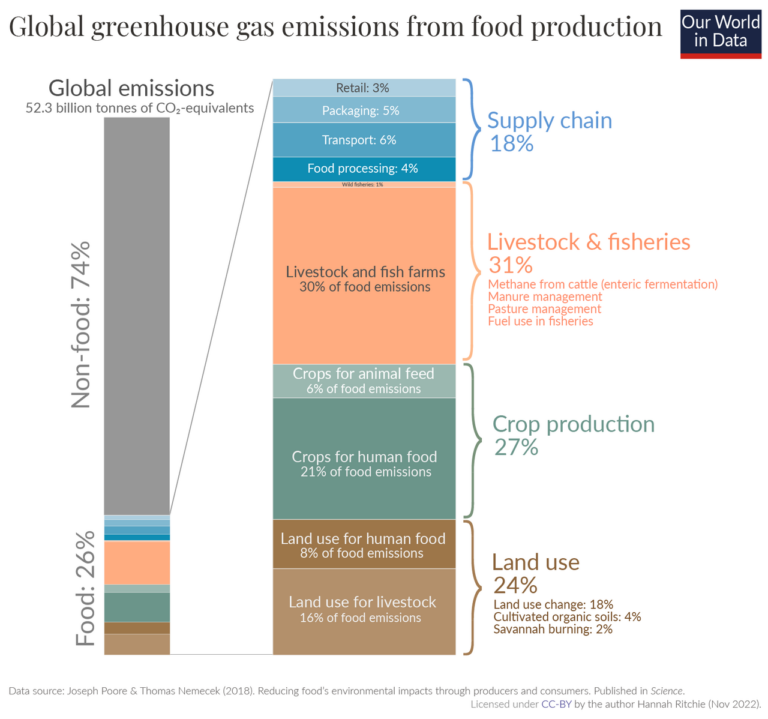
Food production contributes about 20% of global GHGs. This includes livestock methane and fertilizer use.
Dietary Shifts
Livestock production generates substantial methane. Plant-rich diets create meaningful impacts. If half the world adopted these diets, it would save 65 gigatonnes of CO₂ over 30 years. Reducing red meat consumption creates immediate positive impact.
Reducing Food Waste
Roughly one-third of global food is wasted. This generates 8-10% of global emissions. Food waste in landfills produces methane. Reducing food waste saves about 90 gigatonnes of CO₂ over 30 years.
Sustainable Farming Practices
Regenerative agriculture improves soil health. Reduced tillage and cover cropping help. These practices reduce fertilizer emissions. They also increase carbon sequestration in the soil. We share more insights on reducing industrial impacts and cutting GHGs daily. Read Our Blog for detailed strategies.
Conclusion
Reducing greenhouse gases requires global, collective action. Systemic changes in industry and energy are vital. Individual choices regarding diet and transportation also matter greatly. We must act now to secure a sustainable future for everyone.
Reference: Inspired by content from https://aands.international/reducing-greenhouse-gas-emissions-a-comprehensive-guide-to-climate-action/.