🤖 AI Expert Verdict
Hydroelectric power is electricity generated from water power, often using dams and reservoirs to drive turbines. It provides 15% of the world's electricity and is the largest source of renewable energy globally, offering a flexible and low-carbon supply on demand. Systems are classified by scale, including large hydro (LHP), small hydro (SHP), and micro/pico hydro installations.
- Provides large amounts of low-carbon electricity.
- Highly flexible output responds quickly to demand.
- Generates no direct waste once constructed.
- Surpasses all other renewable sources combined in generation.
- Dams can also offer flood control and irrigation benefits.
Hydroelectric Power: Harnessing the Force of Water for Clean Energy
Hydroelectric power comes from water power. It generates electricity using the natural force of flowing water. This energy source is crucial globally. Hydropower provides 15% of the world’s electricity. This amount surpasses all other renewable sources combined. It even generates more power than nuclear energy.
Hydroelectricity offers large amounts of clean energy. It is also available on demand. This makes it vital for secure power systems. A station with a dam and reservoir is highly flexible. Operators can increase or decrease power output quickly. This responds easily to changing electricity demands.
Once construction ends, a hydro complex produces no direct waste. It typically emits far less greenhouse gas than fossil fuel plants. However, construction carries significant environmental impacts. Building in rainforest areas can release substantial greenhouse gases. The projects also displace populations and harm arable land. Dams disrupt natural river ecology. They affect habitats, ecosystems, siltation, and erosion. While dams help control floods, failure can be disastrous. Despite these issues, hydropower remains the largest source of renewable energy. If you want to explore more options for clean energy, you can Shop Our Products today.
People used hydropower long ago. Ancient societies used it to grind flour. Hydraulic power fueled the Industrial Revolution starting in the late 18th century. Engineers like Bernard Forest de Bélidor wrote about hydraulic machines. Richard Arkwright utilized water power for his factory system in 1771. In the 1840s, hydraulic networks generated power for end users.
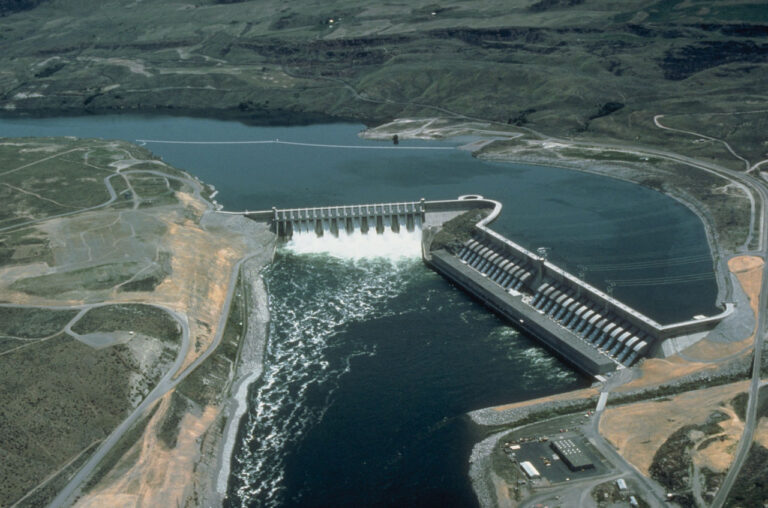
The electrical generator arrived in the late 19th century. Engineers soon coupled generators with hydraulics. This boosted development due to industrial demand. William Armstrong built the first scheme in 1878 in England. The US saw its first plants in the 1880s. The Vulcan Street Plant started in Wisconsin in 1882. By 1889, the US had 200 such stations. Power plants grew throughout the 20th century. Governments took control of larger projects. The Hoover Dam (1928) and Grand Coulee Dam (1942) became huge landmarks. They called hydropower “white coal.”
Understanding Different Hydro Power Systems
Most hydroelectric power uses dammed water. The water drives a turbine and generator. The amount of power depends on the water volume. It also relies on the height difference, called the head. A large pipe, or penstock, moves water from the reservoir to the turbine.
1. Pumped-Storage Schemes
Pumped storage handles peak demands. It moves water between reservoirs at different heights. During low electrical demand, excess energy pumps water uphill. When demand spikes, water flows back down through a turbine. This scheme greatly improves system capacity. It provides almost 85% of the world’s grid energy storage.
2. Run-of-the-River Plants
Run-of-the-river stations use little or no reservoir capacity. They only use the water flowing downstream right then. Any extra water must pass by unused. A consistent upstream water supply benefits these sites greatly.
3. Tidal Power
Tidal power harnesses ocean tides. This daily rise and fall is highly predictable. If conditions allow reservoirs, these plants can provide power during high-demand times. Tidal power works only in specific coastal regions.
4. Conduit Hydroelectricity
Conduit stations generate electricity using existing water delivery systems. This includes pipelines, canals, or aqueducts. These systems serve purposes other than just power generation.
We often need more information to make informed choices about energy. If you want to learn more about environmental impacts and renewable technology, you can Read Our Blog for detailed articles.
Classifying Hydroelectric Plants by Scale
Engineers classify plants primarily by nameplate capacity. The thresholds vary by country.
Large Hydro Power (LHP)
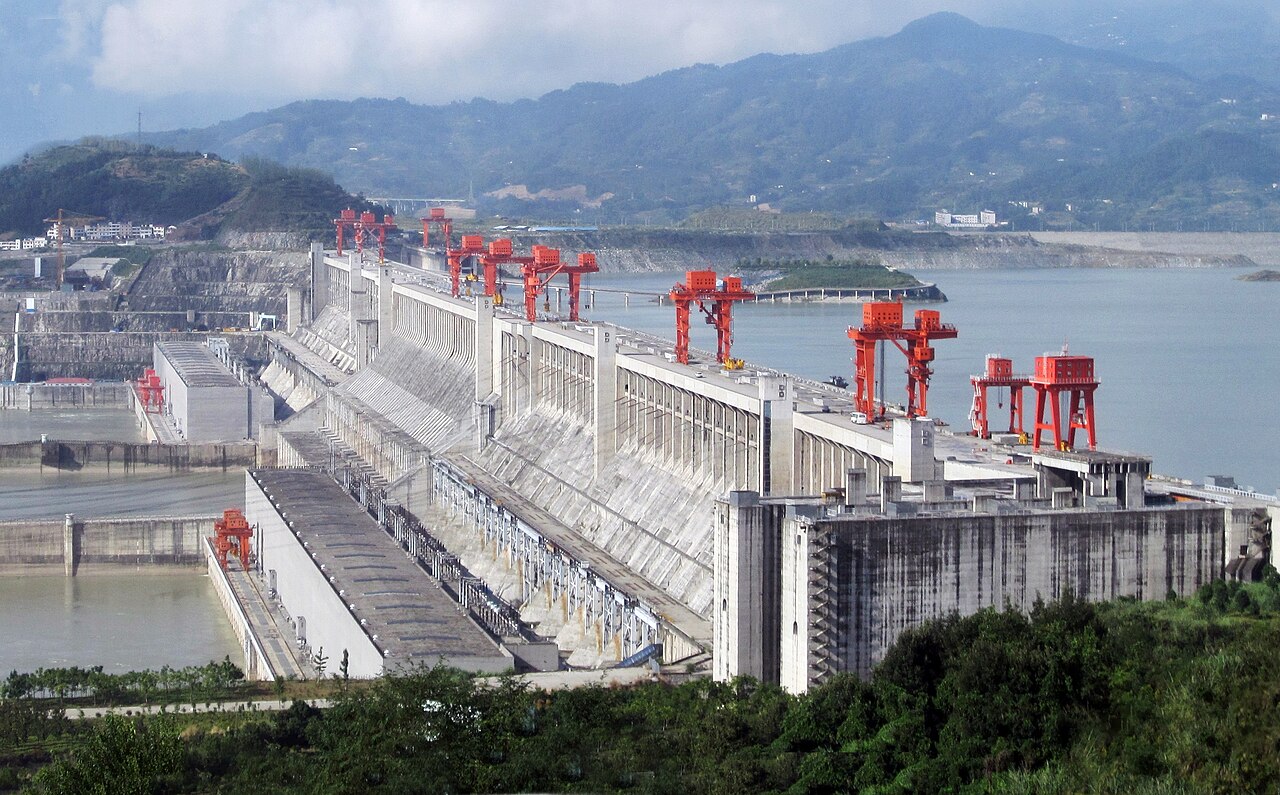
Facilities over a few hundred megawatts are LHP. Any plant over 50 MW is generally considered Large Hydro Power. The world’s largest power producers are LHP stations. The Three Gorges Dam in China produces 22.5 GW. This surpasses even the largest nuclear stations.
Small Hydro Power (SHP)
Small hydro serves small communities or industrial sites. The capacity limit generally sits around 10 megawatts (MW). Some countries extend this limit to 25 MW or 30 MW. SHP plants often have minimal reservoirs. They cause less environmental harm than LHP projects. SHP is often a synonym for run-of-the-river plants.
Micro and Pico Hydro
Micro hydro installations produce up to 100 kW. They power isolated homes or small communities. Micro hydro is vital in developing nations. Pico hydro generates under 5 kW. This is useful for very small electric loads in remote areas. A pico-hydro setup uses a run-of-the-river design.
Experts agree that we need more efforts to fight climate change. Hydropower capacity growth faces limitations globally. Countries must modernize existing facilities. Hydropower remains a clean and essential energy source for our future.
Reference: Inspired by content from https://en.wikipedia.org/wiki/Hydroelectric_Power.