🤖 AI Expert Verdict
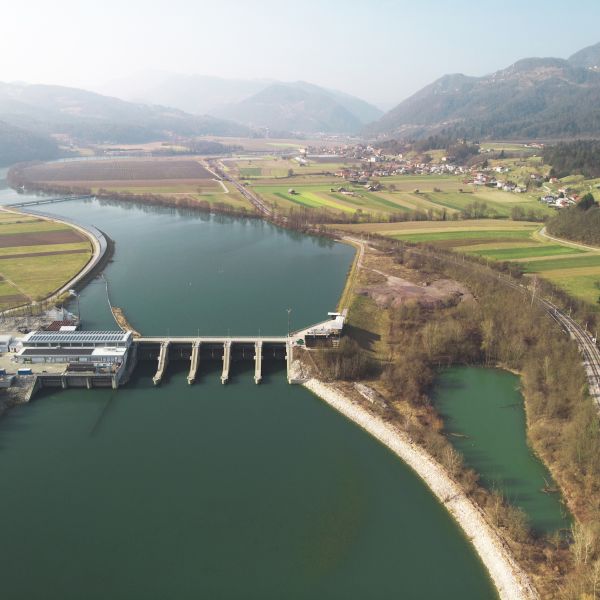
Hydroelectric power, or hydropower, uses the natural flow of moving water to generate electricity. It is one of the oldest and largest sources of renewable energy, accounting for a significant portion of U.S. renewable generation and providing critical grid stability and energy storage (via pumped storage). Hydropower is known for its affordability, low lifetime operating costs, and long lifespan.
- It is a reliable and cost-effective renewable energy source.
- Facilities have a very long lifespan (65-85 years).
- It provides immediate, flexible power for grid stability and backup.
- It offers non-electricity benefits like flood control and irrigation support.
Hydroelectric Power: Harnessing the Power of Water
Hydroelectric power is also known as hydropower. It is one of the oldest and largest sources of renewable energy. Hydropower uses the natural flow of moving water. This movement generates electricity.
Hydropower’s Role in the U.S.
Hydropower plays a huge role in the U.S. power grid. It currently makes up 27.37% of U.S. renewable electricity. It provides 5.86% of all total U.S. utility-scale electricity. Pumped storage hydropower (PSH) is even more critical. PSH provides 88% of all utility-scale energy storage in the United States.
Facilities come in many sizes. The Hoover Dam is a famous large example. Facilities can also be very small. They use water flows in irrigation ditches. They can also use municipal water facilities. Some systems are “damless.” These are called run-of-river facilities. They channel part of a stream through a powerhouse. The water then rejoins the main river.
Hydropower is easy to get and widely used. Some states depend heavily on it. Washington sourced about 60% of its electricity from hydropower in 2023. Hydropower also keeps the electric grid stable.
How Hydropower Works
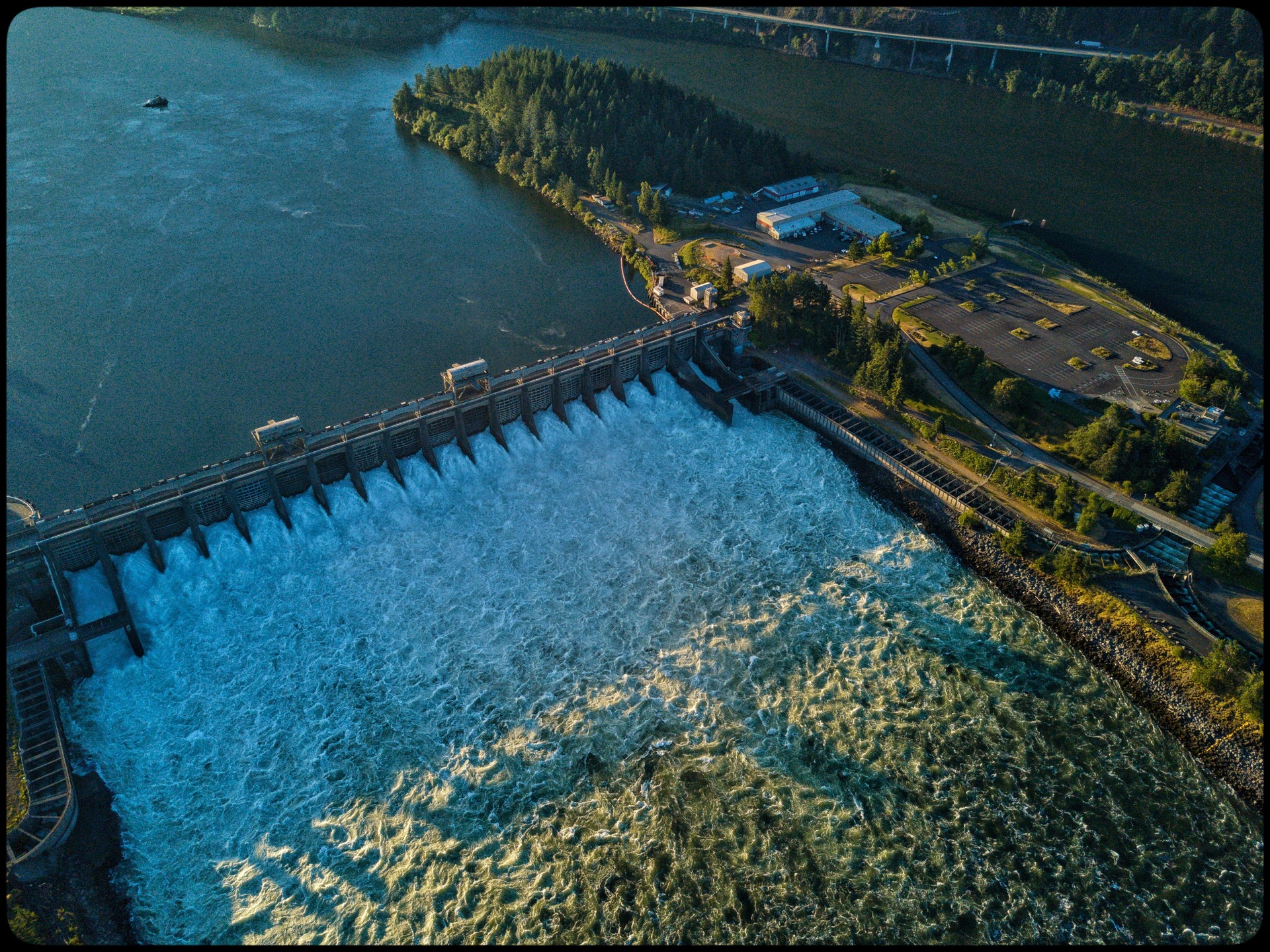
Hydropower technologies generate power effectively. They leverage elevation differences. A dam or diversion structure usually creates this difference. This structure interrupts the river’s flow. The force of the falling water spins a turbine. This spinning creates electricity.
Hydropower is an affordable electricity source. It uses a plentiful natural resource: moving water. States using mostly hydropower save money. Idaho, Washington, and Oregon see lower energy bills for residents.
Compared to other sources, hydropower has low lifetime costs. These costs include maintenance and operations. Hydropower facilities have a very long lifespan. They typically last 65 to 85 years. Low operations costs save money long term. Equipment often runs longer without repairs. This makes the average annual cost lower.
Key Benefits of Hydroelectric Power
People have recognized hydropower benefits for ages. It offers renewable and cost-effective energy. Hydropower plants provide instant power to the grid. This makes them reliable backup power. They help during major outages or disruptions.
The firm capacity of U.S. hydropower is over 24 GW. This power can supply 16 to 24 million homes. Replacing this capability requires massive storage construction. Hydropower offers this stability now.
Hydropower also offers non-electricity benefits. It helps with flood control. It supports irrigation needs. It also provides reliable water supply. Learn more about clean energy by exploring our Read Our Blog.
Upfront costs are unavoidable for large projects. Costs include building dams and tunnels. Proper location selection minimizes these costs. Smart design at the planning stage saves money. Do you want to support sustainable energy? Shop Our Products today!
The Long History of Hydropower
The history of hydropower spans thousands of years. The modern turbine evolved in the mid-1700s. Bernard Forest de Bélidor wrote Architecture Hydraulique. This French engineer was key. Many developments happened in the 19th century. Advances in the last century made hydropower affordable. It became an essential part of the U.S. energy mix.
Reference: Inspired by content from https://www.energy.gov/eere/water/hydropower-basics.