🤖 AI Expert Verdict
Greenhouse gas (GHG) emissions primarily stem from human activities, intensifying the greenhouse effect and causing climate change. Major sources include burning fossil fuels for energy (electricity, heat, transport), deforestation, and agricultural practices like livestock farming. Key gases are carbon dioxide (CO2), methane (CH4), and nitrous oxide (N2O).
- We can slow the rate of global warming.
- It improves overall air quality and public health.
- It helps achieve international climate targets like the Paris Agreement.
- It drives innovation in sustainable technologies.
The Critical Need to Cut Greenhouse Gas Emissions
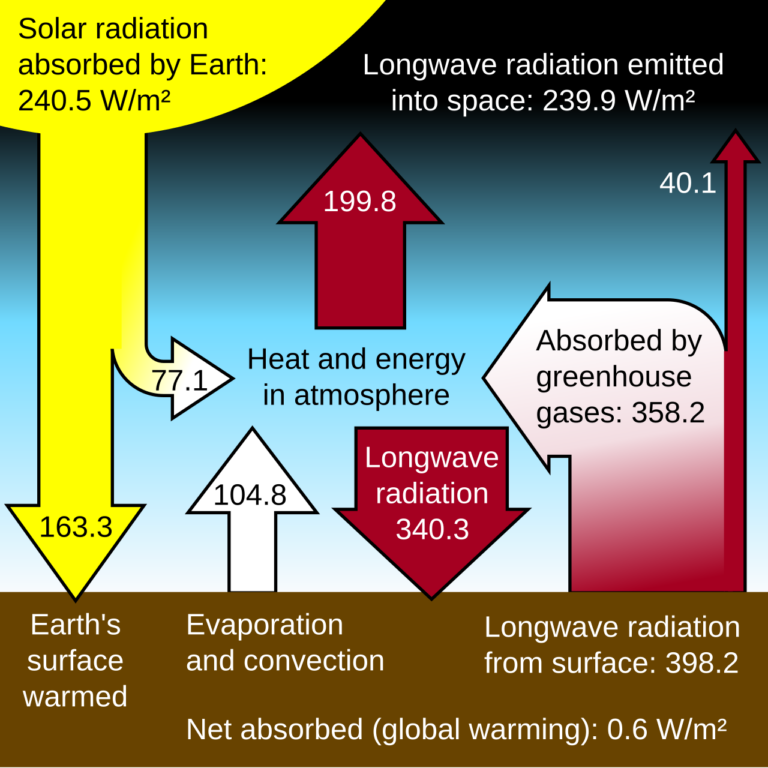
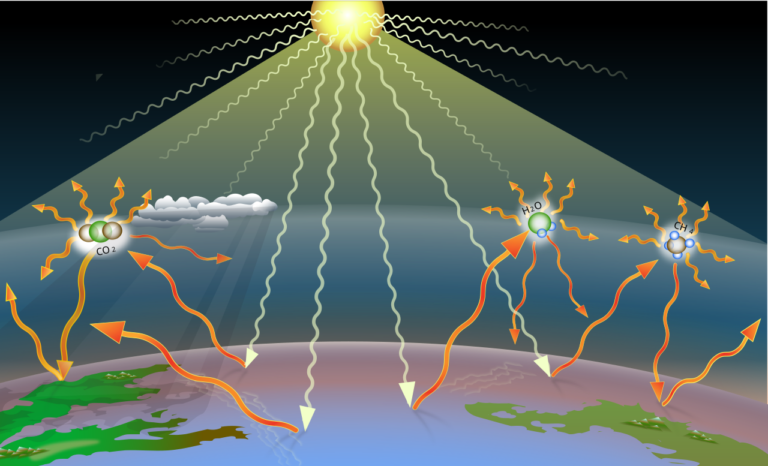
Human activities release greenhouse gases (GHGs). These gases trap heat in the atmosphere. This trapping action intensifies the greenhouse effect. Ultimately, this causes dangerous climate change. Carbon dioxide (CO2) is the biggest culprit. We create CO2 by burning fossil fuels like coal, oil, and natural gas. Globally, emissions have risen consistently. The 2010s saw the highest decade average yet. We must understand where these emissions come from. Then we can take effective action.
Understanding the Major Gases
Four main types of gas drive global warming. Carbon dioxide (CO2) accounts for more than half of the warming. We generate CO2 mainly through energy use. Methane (CH4) has a strong short-term impact. Nitrous oxide (N2O) and fluorinated gases (F-gases) play smaller roles. However, F-gases are extremely potent. In 2023, emissions for CO2, methane, and N2O all reached new highs. We must address all these powerful heat-trappers.
Where Do Our Emissions Originate?
Energy production drives most emissions. Energy is responsible for about 73% of total emissions. This includes electricity generation, heat production, and transport. The expansion of Artificial Intelligence (AI) also worries experts. AI will likely increase global energy demand significantly.
1. Fossil Fuel Burning
Burning fossil fuels is the primary source. This includes coal, oil, and gas. Coal-fired power stations produce 20% of all GHGs. Since 1750, industrial activity has raised CO2 levels substantially. These levels are now nearly 50% higher than pre-industrial times.
2. Land Use and Deforestation
We also emit CO2 through land use changes. Deforestation is the main driver here. It accounts for about a quarter of total human-caused emissions. Cutting down forests removes natural carbon sinks.
3. Agriculture and Methane
Agriculture is the largest source of methane emissions. Livestock farming, especially cattle, contributes most heavily. Farming techniques like paddy rice also release methane. Farmers also use fertilizers which cause nitrous oxide emissions from soils. These practices require smarter, sustainable solutions. If you want to support global efforts, you can Shop Our Products today.
Global Responsibility and Reduction Targets
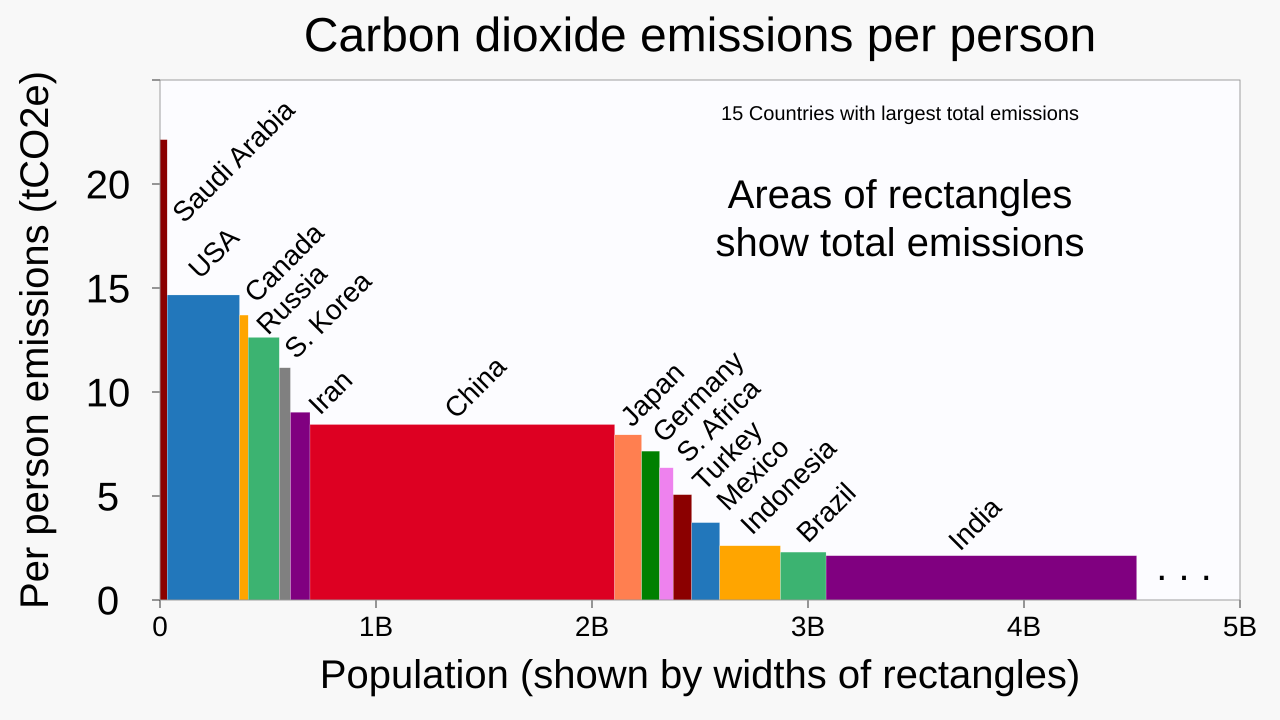
Emissions vary greatly worldwide. China releases the largest annual emissions total. However, the United States shows higher emissions per person. Richer industrialized countries typically emit ten times more per person than developing nations. Companies also bear huge responsibility. Just 100 corporations were responsible for 71% of global emissions in one study. Current global emissions average 6.6 tonnes per person per year. To meet the Paris Agreement goals, this rate must drop. We need to reach about 2.3 tons per person by 2030. Everyone plays a part in reducing this number. You can find more strategies and statistics when you Read Our Blog.
Conclusion: Taking Action Now
The science is clear. Human activities drive global warming. We must quickly reduce emissions from energy, land use, and agriculture. Understanding our carbon footprint helps us choose better products and services. Carbon accounting tracks organizational emissions. Both individuals and companies must commit to drastic reductions now. We can secure a cooler future by taking immediate steps.
Reference: Inspired by content from https://en.wikipedia.org/wiki/Greenhouse_gas_emissions.