
🤖 AI Expert Verdict
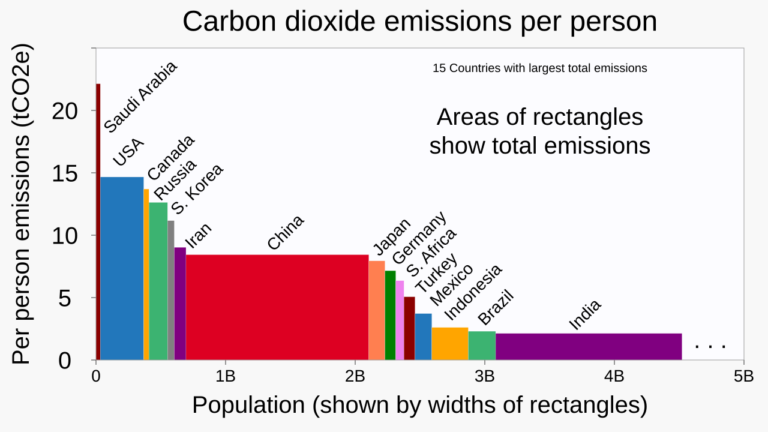
The largest source of U.S. greenhouse gas emissions is the burning of fossil fuels for electricity, heat, and transportation. In 2022, total U.S. emissions reached 6,343.2 Million Metric Tons of CO₂ equivalent. Land use and forestry offset approximately 13% of these emissions, acting as a net carbon sink.
- You can target specific sectors for effective emission reduction.
- Understanding the sources empowers informed consumer choices.
- It validates the importance of land use and forestry sinks.
- It helps track and measure national climate progress.
Reduce Greenhouse Gas Emissions: Where Does the U.S. Stand?
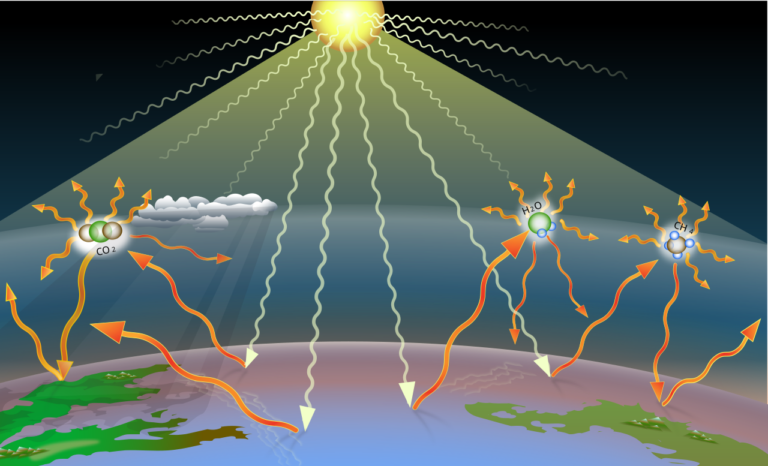
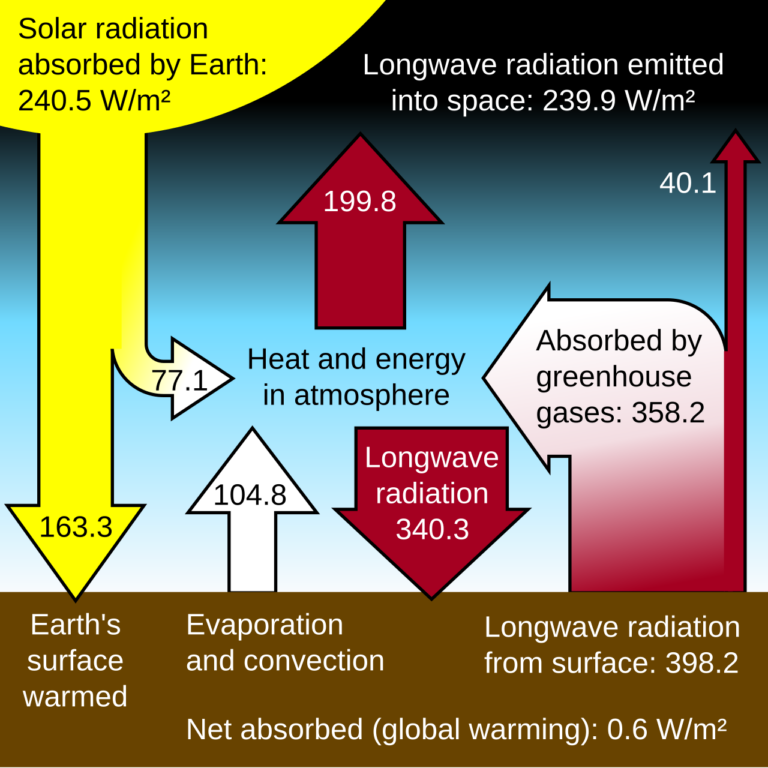
Greenhouse gases trap heat. They make our planet warmer. Human activities cause almost all the increase in these gases. This has happened over the last 150 years. We must understand where these emissions come from.
The Main Sources of U.S. Emissions
The largest source of U.S. greenhouse gas emissions is burning fossil fuels. We burn them for electricity, heat, and transportation. The Environmental Protection Agency (EPA) tracks all these numbers. They publish the Inventory of U.S. Greenhouse Gas Emissions and Sinks annually. This report shows us the total national emissions.
Key Economic Sectors
Emissions come from several key areas. These include Electric Power, Transportation, and Industry. Commercial and Residential sectors also contribute significantly. For example, buildings use lots of electricity. This includes heating, cooling, and lighting. Industrial machinery also needs power.
The total emissions in 2022 reached 6,343.2 Million Metric Tons of CO₂ equivalent. That is a massive number. To help reduce this total, consider how you use power every day. You can find sustainable options when you Shop Our Products.
Understanding CO2 Equivalents
We often measure greenhouse gases in carbon dioxide (CO₂) equivalent. This helps us compare different gases. Some gases warm the Earth much more effectively than CO₂. We multiply a gas’s emissions by its Global Warming Potential (GWP). This converts it to the CO₂ equivalent. A million metric tons equals about 2.2 billion pounds. Think of it as the mass of about 1 million small cars.
Land Use Helps Absorb Emissions
Not all the news is bad. Land Use, Land-Use Change, and Forestry help absorb some emissions. The U.S. Inventory calls this a net sink. This sink offsets about 13% of total emissions. Healthy forests and land management are crucial for fighting climate change. Want to learn more about climate solutions? You should Read Our Blog for deeper insights.
Taking Action Now
We know that human activities drive these increases. Therefore, human actions can reverse them. We must focus on cleaner energy sources. We need more efficient transportation systems. Every change, large or small, helps reduce the total load.
Reference: Inspired by content from https://www.epa.gov/ghgemissions/sources-greenhouse-gas-emissions.