How Agriculture Can Reduce Greenhouse Gas Emissions
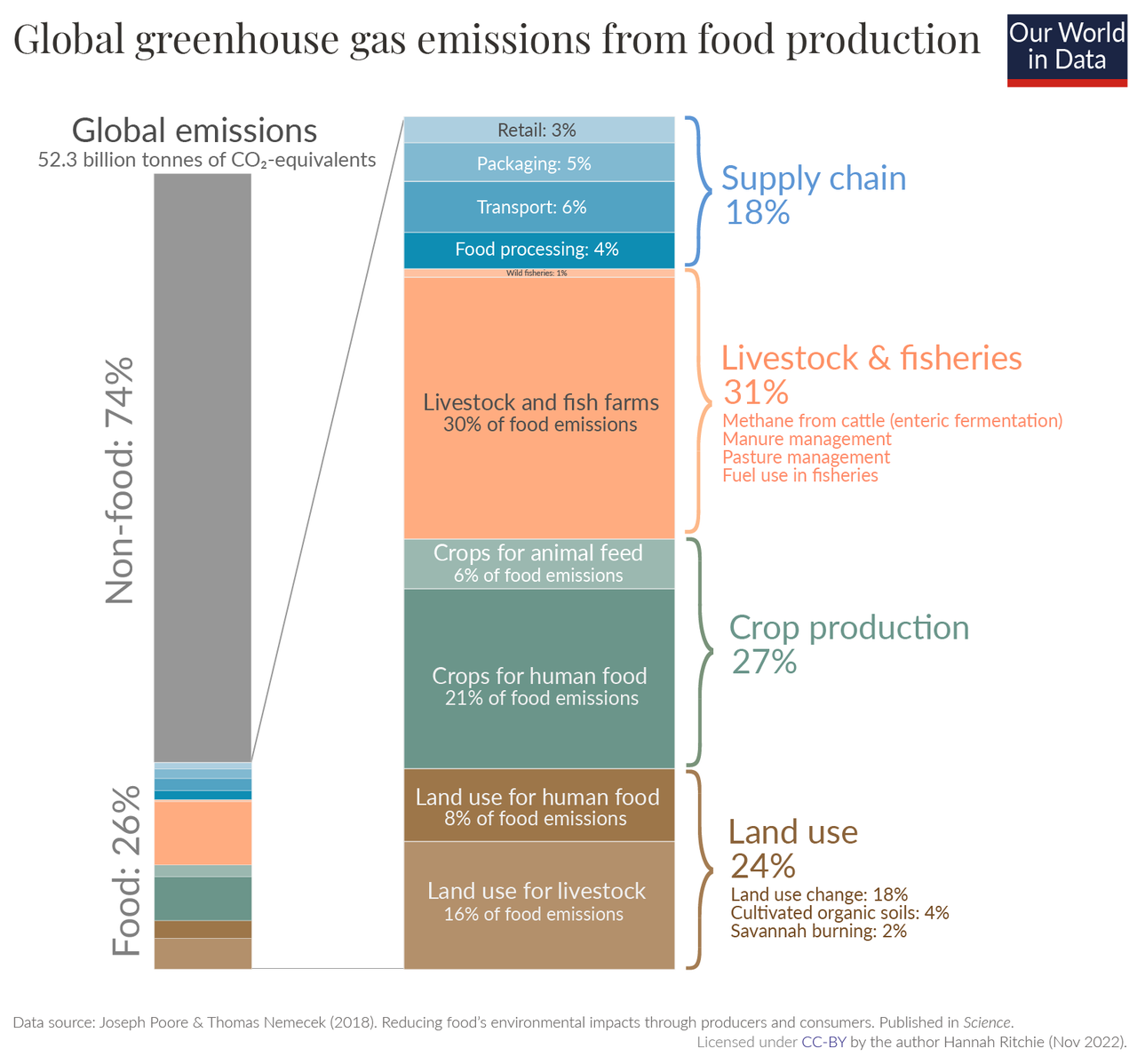
We must urgently reduce greenhouse gas emissions worldwide. Agriculture and the food system contribute significantly to global warming. They account for up to one-quarter of the world’s total emissions.
The Need to Reduce Greenhouse Gas Emissions in Farming
Agriculture, forestry, and land use sectors cause 13% to 21% of global greenhouse gas emissions. Direct emissions come from rice and livestock farming. Indirect emissions occur when forests become farmland. We must find better ways to farm.
Identifying Major Agricultural Pollutants
Nitrous oxide and methane make up over half of agriculture’s total greenhouse gases. Nitrous oxide often comes from using nitrogen fertilizer. Methane comes largely from ruminant livestock. For example, nitrogen fertilizer production and use accounts for about 5% of all global emissions. We must reduce greenhouse gas emissions related to these sources.
Fossil fuels are also burned for transport and farm machinery. Shop Our Products to find tools that support sustainable farming practices.
Practical Ways to Reduce Greenhouse Gas Emissions
We can categorize mitigation methods into four areas. These are demand changes, ecosystem protection, farm mitigation, and supply chain changes.
Changing Consumer Demand
Limit your food waste. This is an effective step to reduce emissions. Plant-based diets are also very helpful. Switching away from animal products lowers your carbon footprint. Consider milk substitutes and meat alternatives.
Farm-Level Mitigation
Farmers can adopt new practices. Conservation tillage improves soil health. Precision agriculture uses resources smartly. Using biochar can enhance carbon storage. Improved grazing management also helps. Read Our Blog for more farming tips.
Targeting Livestock Methane
Ruminant cattle produce high emissions. Their digestive process creates methane. Pigs and poultry produce less methane. Feeding cattle special seaweed additives can cut methane production. Genetic selection and vaccines are also being tested. These efforts help us reduce greenhouse gas emissions significantly.
The global food system is responsible for a large share of GHGs. We all play a role in reducing this impact. Farmers, consumers, and governments must work together. We need climate-smart agriculture now to reduce greenhouse gas emissions.
Reference: Inspired by content from https://en.wikipedia.org/wiki/Greenhouse_gas_emissions_from_agriculture.