
What Is Ground-Mounted Solar? A Complete Guide
More people adopt solar energy every day. Homeowners and businesses seek systems that fit their specific needs. Rooftop solar often gets the main focus. Ground-mounted solar systems are rapidly gaining popularity. They offer great versatility and high efficiency. They also provide easy maintenance access. This guide helps you understand ground-mounted solar. It compares them to rooftop systems. We help you determine the right fit for your project. Read Our Blog for the latest news on solar trends.
What Is a Ground-Mounted Solar System?
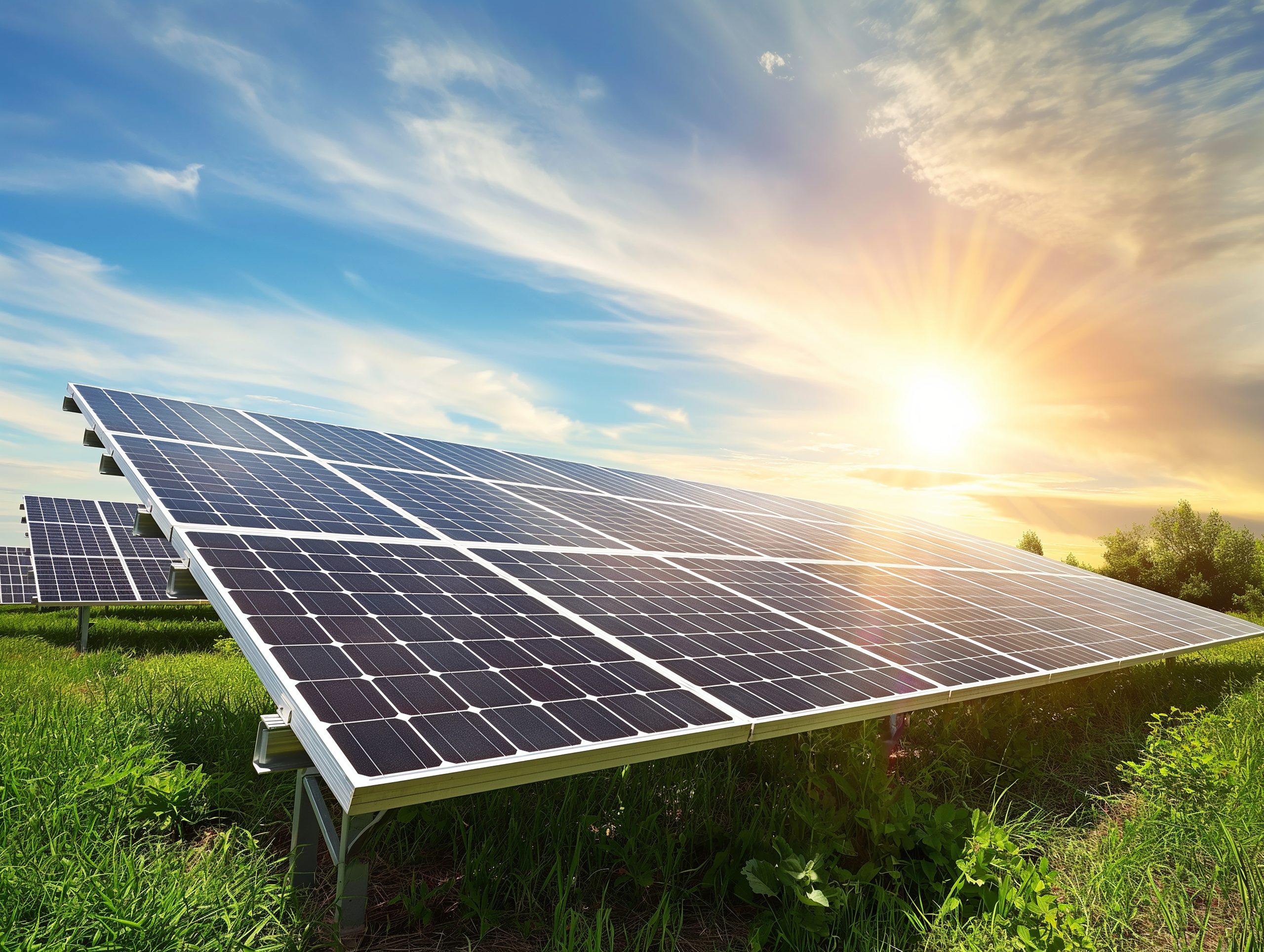
A ground-mounted solar system sits on the ground. It uses photovoltaic (PV) arrays. Installers anchor the panels directly into the earth. They use metal frames, concrete footings, or ballast systems. They do not install them on a roof.
You find two main types of ground-mounted systems:
- Standard (Fixed-Tilt) Systems: Panels stay set at a fixed angle. They always face the direction of the sun.
- Tracking Systems: These use mechanics to follow the sun. They move throughout the day. This action maximizes energy production.
You can install ground-mounted systems almost anywhere. You need enough open land and sunlight. They are a popular choice for properties with ample space. They also work for buildings with limited roof capacity.
Ground-Mount vs. Rooftop Solar: Key Differences
Both systems use the same technology. They convert sunlight into usable electricity. Installation and function differ significantly, however. Rooftop systems attach to the building structure. Roof space limits their possible size. Pitch and shading also restrict placement. Ground-mounted systems use open land. This offers much greater flexibility in placement. Installers can optimize the panels’ orientation. This ensures maximum sun exposure. Better orientation boosts overall efficiency.
Ground systems also allow for better airflow. Cooler panels perform better over time. Accessibility is a major advantage for ground-mounted solar. Maintenance and cleaning are much easier to complete. Rooftop systems often require special safety gear. Ground systems require clear land space, though. They may also involve more site preparation. This includes trenching and foundation work. Rooftop systems generally install faster. They also do not take up yard space. They work well for urban homes with small lots.
Benefits of Ground-Mounted Solar Systems
- Optimized Sun Exposure: You can position ground-mounted arrays perfectly. This leads to greater energy output.
- No Roof Constraints: Ground-mounted systems offer a great alternative. Use them if your roof is too small or shaded. They work regardless of your building’s condition.
- Scalability: You might need more power later. Expanding a ground system is simpler. It suits growing businesses and future needs.
- Easy Maintenance: You access ground panels easily for cleaning. Inspections and repairs are simple. This maintains long-term reliability.
- Better Cooling and Efficiency: Improved airflow keeps panels cooler. This slightly boosts the system’s efficiency.
Things to Consider Before Installing
- Land Availability: You need adequate open space. A typical residential system requires 500 to 1,000 square feet. Flat, unshaded areas work best. Look for good southern exposure.
- Permitting and Zoning: Ground systems often require more permits. Site preparation is often labor-intensive. Local zoning laws may affect placement location.
- Installation Costs: Ground installations cost more upfront. Materials and site work increase the price tag. Improved performance and easier upgrades can offset this.
- Aesthetic Preferences: Some homeowners dislike panels in their yard. Strategic placement or fencing can minimize this visual impact.
Who Should Consider Ground-Mounted Solar?
Ground-mounted solar works well for several groups:
- Homeowners with large properties benefit greatly. This is ideal if they have limited or unfit roof space.
- Farms and agricultural operations offset high energy use.
- Commercial and industrial facilities use open fields.
- Off-grid or rural properties need reliable electricity access.
- Solar developers build large-scale community projects.
If you are starting your solar journey, we invite you to check out our products. We offer many solutions for energy independence. Shop Our Products now.
Final Thoughts
Rooftop solar may be the standard choice. However, ground-mounted solar systems offer key advantages. They provide superior positioning and easy maintenance. They also offer high scalability. Ground-mounts deliver long-term energy savings. They benefit both residential and commercial projects. Explore the space beneath your feet today. Understand your property and energy goals first. This helps you choose the perfect long-term system.
Reference: Inspired by content from https://mfsolar.com/what-is-ground-mounted-solar-a-complete-guide-for-homeowners-businesses/.