The Race to Zero: How to Reduce Greenhouse Gas Emissions by 2050
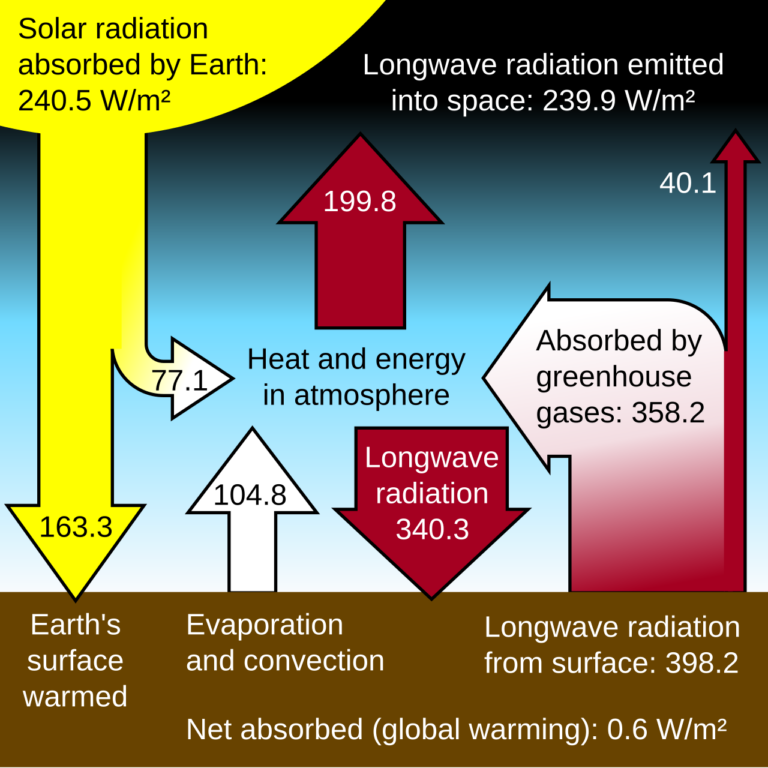
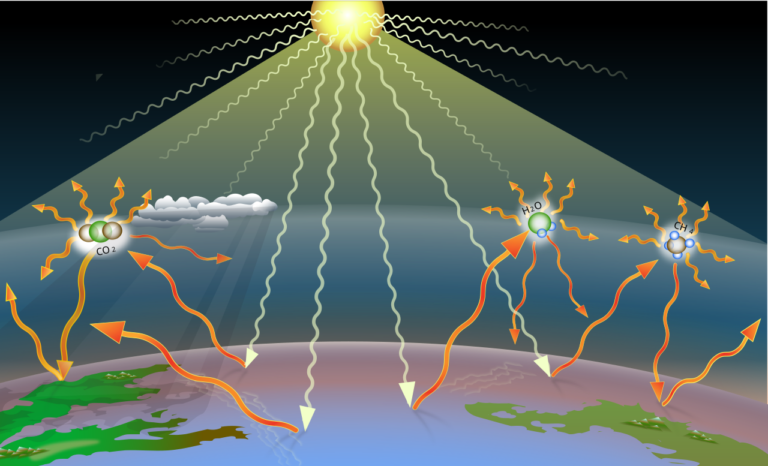
Our climate is changing. Greenhouse gases released into the atmosphere cause this change. We must reduce the flow of these heat-trapping gases. This process is called climate change mitigation. We cut emissions from major sources. These sources include power plants, factories, cars, and farms.
Understanding the EU’s Big Goals
The European Union (EU) takes strong action against climate change. The EU aims for climate neutrality by 2050. This means balancing the release and absorption of greenhouse gases. The EU already cut emissions by over 37% in 2023 compared to 1990 levels. We achieved this through using more renewable energy. We also reduced our use of carbon-intensive fossil fuels. We improved energy efficiency too.
Now, the EU set even bigger goals. We aim for a 55% reduction below 1990 levels by 2030. Reaching these targets requires massive emission cuts. We must switch completely from fossil fuels to clean energy. We also need to halt deforestation. We must use land sustainably. Restoring nature helps us capture and store these gases.
Key Strategies for Cutting Emissions
Reducing emissions means changing everything we do. We reshape how we power our economy. We change how we grow our food. We adjust how we travel and live. Over 3,000 policies help prevent the worst climate impacts across EU Member States. These include specific targets for key sectors. They promote renewable energy and low-carbon fuels. They also mandate energy efficiency in buildings.
Progress Across Key Sectors
Most EU sectors reduced emissions over the last 30 years. The energy supply sector shows the highest reductions. However, agriculture and transport still struggle to cut emissions fast enough. We achieved our renewable energy targets. By 2023, 24.1% of our energy came from renewable sources. We continue to reduce energy consumption. Primary energy use fell by 19% since 2005.
You can also support the shift to sustainability at home. Find great ways to save energy and reduce your footprint when you Shop Our Products.
The Role of Nature and Land Use
Nature offers a powerful solution. Forests, oceans, and soil absorb and store greenhouse gases. This natural process helps balance our carbon footprint. Photosynthesis is vital. Trees and plants capture carbon dioxide and release oxygen. This is our most efficient natural technology.
The land use and forestry sector still holds great potential. We need better data and smart policies to reverse current trends. New data shows EU forests absorbed 30% less carbon recently. We must increase carbon removal through better land management.
Global Cooperation and the Green Deal
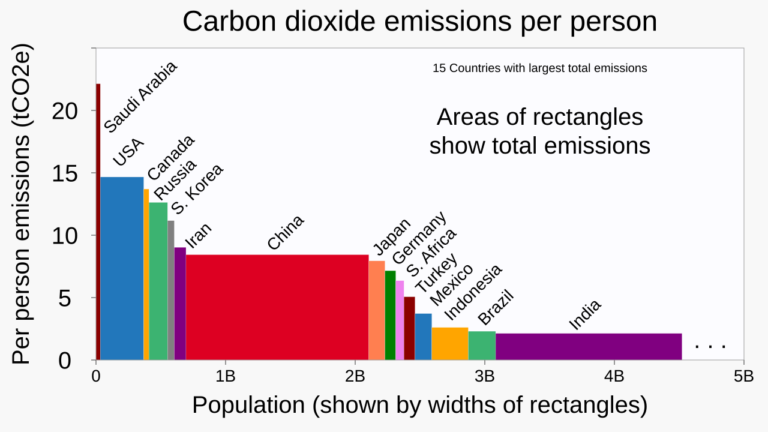
The EU releases 6% of global emissions. We cannot solve this problem alone. Global cooperation is essential for climate mitigation. The Paris Agreement ensures this cross-border teamwork. The European Green Deal provides the roadmap for EU climate neutrality. It tackles climate change while promoting economic growth.
The European Climate Law made climate neutrality legally binding by 2050. The Fit for 55 proposal aligns EU laws with the 2030 goal. Accelerating this transition requires smart investments. We must move finance away from unsustainable technologies. We need faster progress to achieve our climate and energy goals.
Stay informed about the latest climate action news. Read Our Blog for expert insights and updates on sustainable living.
Reference: Inspired by content from https://www.eea.europa.eu/en/topics/in-depth/climate-change-mitigation-reducing-emissions.