🤖 AI Expert Verdict
Run-of-the-river (ROR) hydroelectricity is a generation method that utilizes the natural flow of a stream or river with minimal or no water storage (reservoir). ROR plants divert water through a pipe or tunnel to turn turbines and then return it downstream. This low-impact approach offers environmental benefits by eliminating the flooding and reservoir emissions associated with conventional large-scale hydroelectric dams.
- Eliminates methane and CO2 emissions caused by reservoirs.
- Prevents widespread upstream flooding and displacement.
- Causes minimal changes to local fluvial ecosystems.
- Reduces reliance on burning fossil fuels (coal or gas).
Understanding Run-of-the-River Hydroelectric Power
Run-of-the-river (ROR) hydroelectricity is a unique power generation method. This system uses little or no water storage. Traditional hydro projects rely on large reservoirs. ROR plants usually only use limited storage, which they call pondage. A plant without pondage relies fully on seasonal river flows. Therefore, it acts as an intermittent energy source.
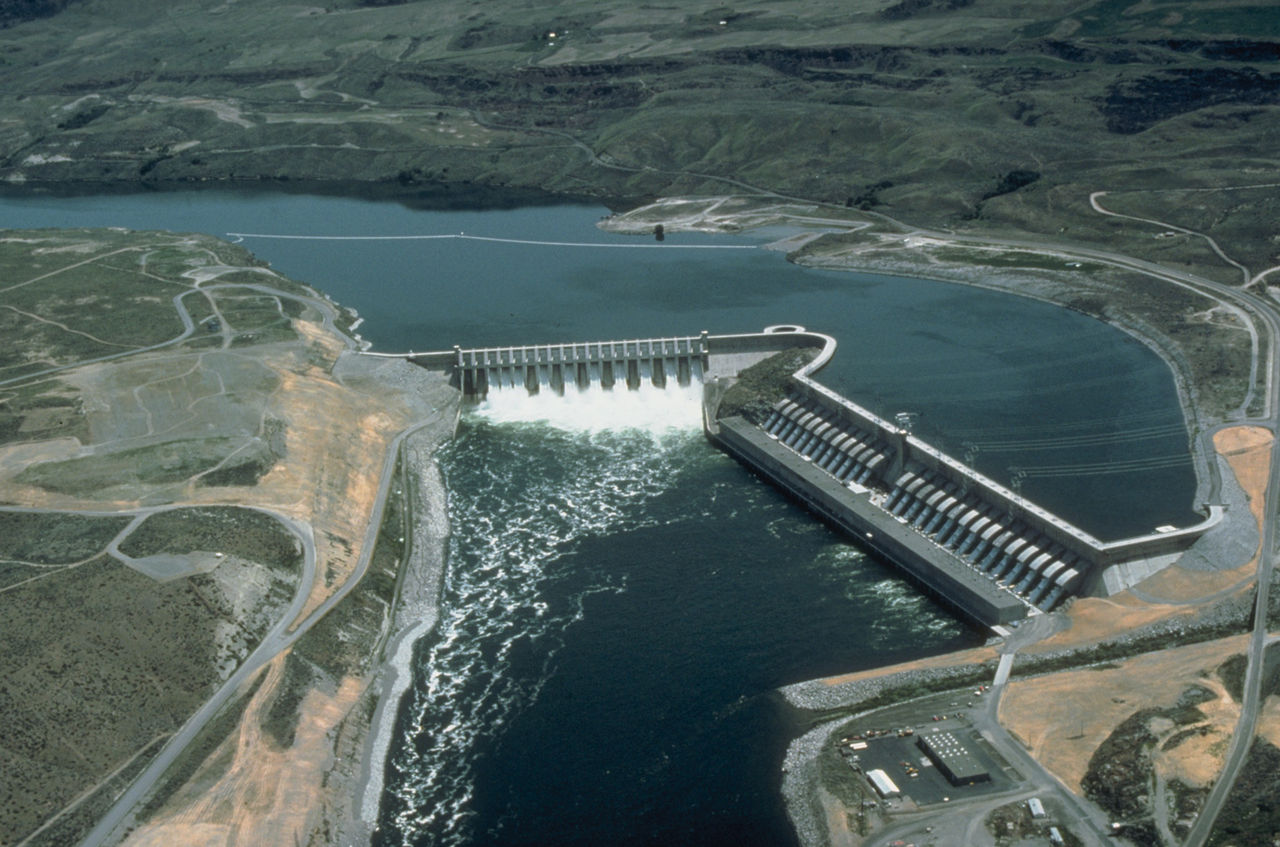
ROR is perfect for streams with steady flow. It also works well on rivers regulated by an upstream lake or reservoir. Builders usually construct a small dam. This dam creates a headpond. The headpond ensures enough water enters the penstock pipes. These pipes lead to turbines located at a lower spot.
Projects with pondage can store water. This storage helps meet daily load demands. Generally, ROR projects divert most of a river’s flow. They send the water through a pipe or tunnel. This process spins electricity-generating turbines. The water then returns to the river downstream.
ROR vs. Conventional Hydro
ROR projects look very different from conventional dams. Traditional dams store vast amounts of water. They sometimes flood large areas of land. ROR projects avoid these large reservoirs. They cause fewer environmental impacts overall. They eliminate disadvantages associated with massive water storage.
Key Benefits of Run-of-the-River Hydro
ROR harnesses the natural potential energy of water. It reduces the need to burn fossil fuels like coal or gas. ROR plants also eliminate reservoir-based emissions. Conventional dams create methane and CO2 from decomposing organic matter. This is a major advantage, especially in tropical climates.
No reservoir means no widespread flooding upstream. People can remain living near the river. Existing habitats stay intact. ROR dams also work well in existing irrigation dams. They cause very little change to the local river ecosystem. This allows us to cut global warming impacts significantly. You can learn more about sustainable energy solutions when you Read Our Blog. We offer many products designed for energy efficiency, so feel free to Shop Our Products.
Potential Challenges
ROR power is considered “unfirm.” It lacks capacity for energy storage. It cannot easily match electricity output to consumer demand. ROR generates much more power when river flows are high. This usually happens during spring melts. Output drops during dry summer or frozen winter months.
These plants usually have a lower water head than dam sites. This means they generate less total power. Project sites need a steep drop, like rapids or waterfalls. This ensures enough head to generate power. Construction of upstream canals or pipes can also be costly.
Larger ROR projects face more environmental issues. They may need fish ladders in fish-bearing rivers. New access roads and transmission lines can fragment habitats. They can also introduce invasive species. ROR projects also depend strongly on consistent water flow. Climate change makes them vulnerable to disruptions like El Niño events. We must factor climate changes into the initial design.
Reference: Inspired by content from https://en.wikipedia.com/wiki/Run-of-the-river_hydroelectricity.